The Guidor Theatre feels like a place untouched by time, a quiet guardian of Ireland’s past. Tucked away in a small town on the country’s western edge, it bears little resemblance to the grand, polished theatres of Dublin or Cork. There are no gilded balconies or state-of-the-art lighting rigs here—just worn wooden beams overhead, faded velvet seats, and the faint scent of old books mingling with coffee from the café next door. It’s not a theatre that demands attention; it’s one that earns it, simply by existing as it always has, a testament to how art can thrive far from the spotlight.
Guidor itself was once a bustling port town, a place where ships from Europe and America unloaded their cargo and where merchants and sailors gathered in taverns to swap stories and songs. Those impromptu performances eventually grew into something more structured, and by the 1860s, the town had its first proper theatre. It wasn’t called the Guidor Theatre then, and its name has changed over the years, but its purpose has remained the same: a place where people could escape the weight of daily life, even if just for an evening. The building that stands today is a direct descendant of that original space, though its walls now hold over a century of laughter, applause, and the occasional tear.
The architecture is unassuming but striking in its own way. Built from local stone, the theatre has weathered the years gracefully, its walls now softened by moss and lichen, blending into the rugged landscape around it. Inside, the high ceilings are supported by sturdy wooden beams, and large windows let in a gentle, diffused light that gives the space an almost sacred quality. The stage is small but intimate, framed by a heavy velvet curtain that has seen countless performances come and go. There are no flashy special effects or digital backdrops—just the raw, unfiltered connection between the actors and the audience, amplified by the theatre’s natural acoustics, which carry every word and note with clarity.
Unlike the theatres in Ireland’s bigger cities, which often cater to broader tastes with classic plays and contemporary works, the Guidor Theatre has always been a place for the locals. Its repertoire has traditionally leaned toward comedies, melodramas, and musicals that draw from local folklore and inside jokes. In its early days, the stage was just as likely to be occupied by amateur actors—fishermen, teachers, even priests—as by professionals. The theatre’s archives still hold programmes from those performances, a reminder of how deeply it was woven into the fabric of the town. Even now, the line between performer and audience can feel blurred, especially when the crowd joins in for a singalong or a well-known local tune.
The theatre has had its share of struggles. During the Irish Civil War, the building was repurposed as a storage space, and in the decades that followed, as Guidor’s importance as a port faded, so too did interest in the theatre. By the mid-20th century, it seemed destined to become another forgotten relic of a bygone era. But in the 1970s, a group of locals refused to let it disappear. They restored the building, revived its programming, and slowly, the theatre found its footing again. Today, it hosts not just plays but also traditional music sessions, poetry readings, and small festivals, drawing both residents and visitors who stumble upon it almost by accident.
What makes the Guidor Theatre special isn’t just its history or its architecture—it’s the atmosphere. There’s no dress code here, no hushed whispers during performances. People arrive in jeans, order tea during intermission, and sometimes linger afterward to chat with the actors. The auditorium seats only about a hundred, so the experience feels personal, almost like being part of an extended family gathering. Time seems to move differently within these walls, slower and more deliberate, as if the outside world’s rush has no place here. It’s the kind of place where you might find yourself laughing at a joke you’ve heard a dozen times before, simply because the person telling it is someone you know.
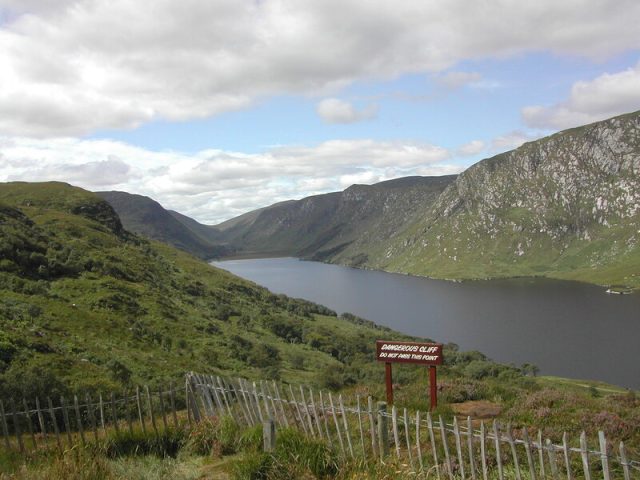
Guidor itself is a town that doesn’t try too hard to impress. It sits on the edge of a bay where rocky cliffs give way to sandy beaches, and its narrow streets lead to pubs where live music spills out onto the pavement. The theatre fits seamlessly into this setting, not because it’s grand or flashy, but because it feels like it’s always been here. For visitors, it’s often an unexpected discovery—a glimpse of Ireland that isn’t polished for tourists, but lived in and loved by those who call it home.
These days, the Guidor Theatre continues to do what it has always done: put on shows. The programming is a mix of old and new, sometimes dipping into contemporary plays but more often returning to the classics or local stories that resonate with the audience. The crowd is just as varied, with older locals who remember the theatre from their youth sitting alongside younger generations discovering it for the first time. Occasionally, a tourist or two will wander in, drawn by word of mouth or a handwritten sign outside, and leave with a story of their own.
There’s no grand secret to the theatre’s enduring appeal. It has never tried to be anything other than what it is—a place where people can come together, watch a play, and feel connected to something larger than themselves. In an age where culture is often packaged and sold, the Guidor Theatre is a reminder that art doesn’t need to be flashy or expensive to matter. It just needs to be honest, and perhaps that’s why, after all these years, it still feels alive. The building may be old, the seats a little worn, but the magic of the place hasn’t faded. It’s still here, waiting for the next performance, the next story, the next audience to walk through its doors.