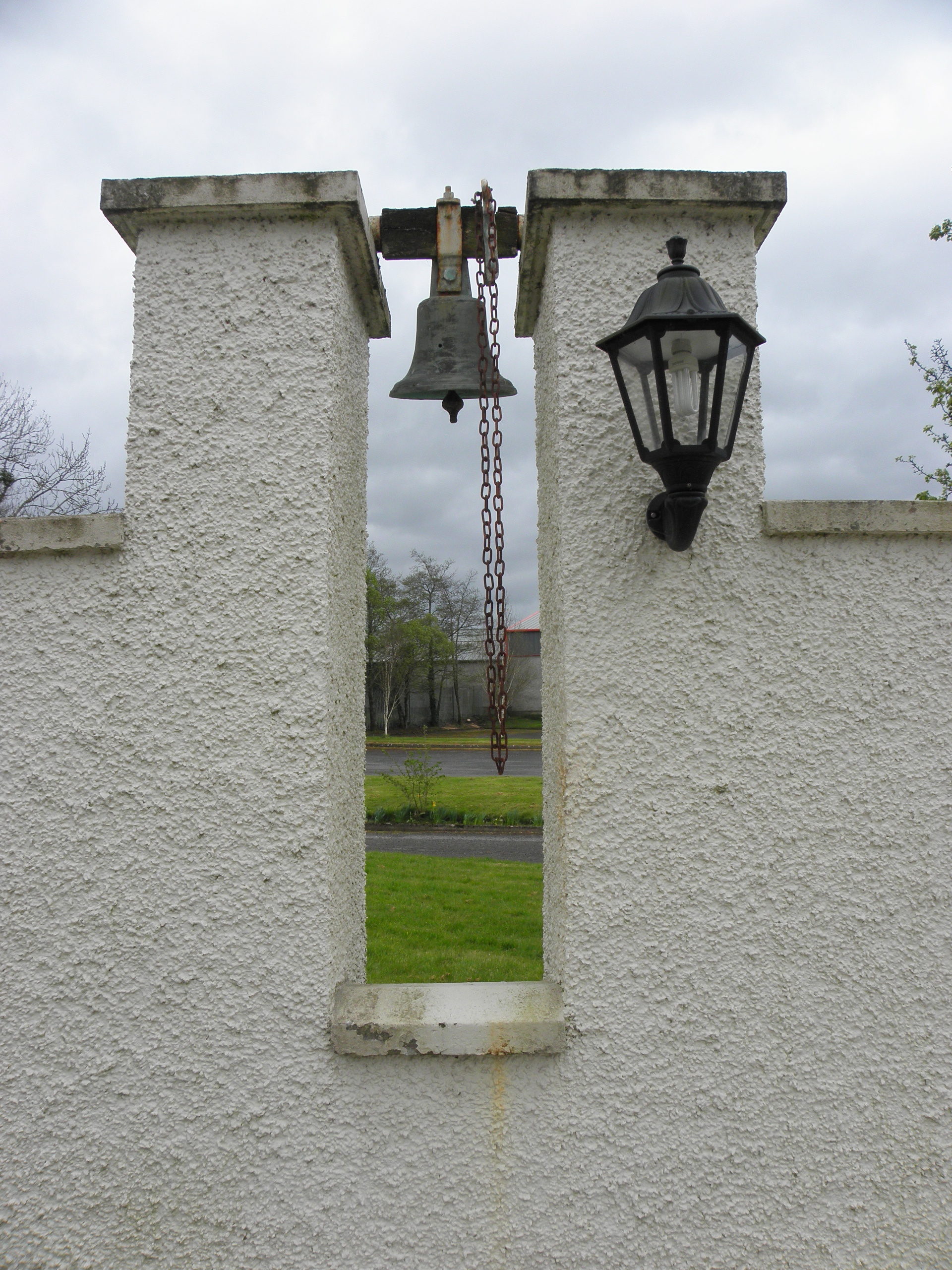
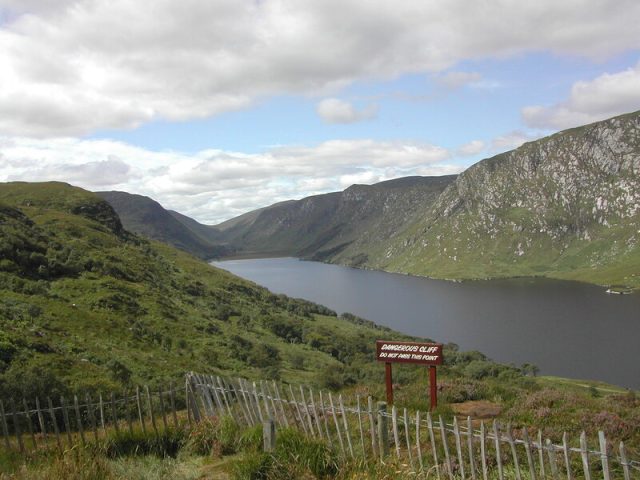
Emmet Park in Guidore is one of those rare places where history isn’t confined to museum walls or plaques but lingers in the quiet rustle of leaves and the damp earth beneath your feet. Tucked into the heart of this small Irish town, it feels like a pocket of stillness, a place where time moves differently. There are no crowds here, no tourist traps—just the kind of quiet that lets you breathe, slow down, and notice the way the light filters through the trees or how the air carries the scent of rain on grass.
The park takes its name from Robert Emmet, an Irish revolutionary whose brief, fiery life ended in tragedy. In 1803, his rebellion against British rule collapsed almost before it began, and he was executed in Dublin, becoming a symbol of defiance and lost causes. Guidore, like many towns across Ireland, chose to honor him not with grand monuments but with something simpler—a place where people could reflect. There’s no towering statue here, just a narrow path leading to a small stone with his name carved into it. It’s enough. The weight of history isn’t in the size of the memorial but in the silence around it.
The park’s design is unassuming, almost as if it grew naturally over time rather than being carefully planned. There are no manicured flowerbeds or ornate fountains, just the kind of landscape that feels timeless. Ancient oaks and beeches, planted in the 19th century, cast long shadows over the paths, their gnarled roots twisting into the earth. Wildflowers bloom along the edges, and ferns cluster in damp corners, a reminder of the ancient forests that once covered this land. At the center, a small pond, its surface dotted with reeds, draws ducks that glide lazily across the water. Their presence adds to the sense of calm, as if the park itself is holding its breath.
Guidore is a quiet town, and Emmet Park has become its living room—a place where people gather without fanfare. On weekends, you might find a musician playing a fiddle or guitar near the entrance, the notes drifting through the trees before fading into the breeze. Families push strollers along the paths, elderly couples toss breadcrumbs to the ducks, and students from the local college sprawl on the grass with books or sandwiches. The park doesn’t demand attention; it simply exists, a backdrop to everyday life. And when the music stops and the visitors drift away, it settles back into its usual rhythm, the only sounds the distant cry of gulls and the occasional rumble of a train.
The park’s story is woven into Guidore’s own history. The town began as a trading post along the River Shannon, a waterway that has shaped life here for centuries. While it never grew into a bustling city like Galway or Dublin, its role in the region was always significant. In the 19th century, farmers from surrounding villages would gather for markets, and the river was the main highway, carrying goods and people. The park came later, born from the idea that even a small town needed a green space where people could escape the noise of daily life. At first, it was just a public garden, but over time, it became clear that Robert Emmet’s name belonged here—a quiet tribute to a man whose legacy was anything but quiet.
What makes Emmet Park special is the way it holds the past without trying too hard. The trees remember a time before Ireland was independent, and the stone benches have watched generations of Guidore’s residents come and go. The River Shannon, just a short walk away, flows on as it always has, indifferent to the changes on its banks. There’s no grand narrative here, no carefully curated experience—just the sense that this place has always been, and always will be, a refuge. It doesn’t need to be flashy or dramatic; its power lies in its simplicity.
The park is at its most atmospheric in the rain, when Ireland reveals its true character. The paths grow slick underfoot, the air thick with the scent of wet earth, and the trees seem to exhale mist. On days like these, the park feels almost empty, as if it belongs only to you and the ducks that paddle stubbornly through the pond. Winter, too, has its own magic. The trees stand bare, their branches dusted with frost, and the pond becomes a mirror for the pale sky. The ducks don’t leave, though—they know this place is theirs as much as anyone’s.
Emmet Park isn’t the kind of destination that makes it onto postcards or travel lists. There are no must-see attractions, no Instagram-worthy backdrops. What it offers instead is something far rarer: a chance to step out of time. To sit on a bench and watch the light change, to listen to the wind in the leaves, to feel the weight of history without anyone telling you how to feel about it. It’s a place where you can just be—no agenda, no rush, no need to perform. And when you leave, you carry with you a quiet sense of peace, the kind that lingers long after you’ve walked out of the park and back into the world.