
Dublin
Ireland · 19 places
Photo: Giuseppe Milo, CC BY 3.0
Dublin is a city where time moves at its own pace, slipping effortlessly between the weight of history and the hum of modern life. Walk along the Liffey at dusk, and you’ll see medieval towers standing guard beside glass-fronted office buildings, their reflections rippling in the water. The city isn’t large by European capital standards, but that’s part of its charm—it feels intimate, almost like a village that grew up without losing its soul. Narrow lanes twist into grand squares where people gather just as they did centuries ago, whether for a protest, a festival, or just a lazy afternoon in the sun. There’s no need for grand gestures here; Dublin’s appeal lies in its unassuming warmth, the way it wraps around you without demanding anything in return.
The city’s story stretches back over a thousand years, and its layers are visible at every turn. The Vikings first settled along the river, drawn by its strategic position, and later the Normans built walls and castles that still shape the old quarter. Dublin Castle, with its mix of medieval and Georgian architecture, stands as a quiet testament to the city’s turbulent past—once the seat of British rule, now a place where state ceremonies unfold beneath chandeliers that have witnessed centuries of intrigue. Nearby, Christ Church Cathedral’s crypt, one of the largest in Britain and Ireland, holds relics that whisper of pilgrims, merchants, and rebels who walked these streets long before the modern city took shape.
Dublin has always been a city of words. Its streets are lined with the ghosts of writers who turned everyday life into something extraordinary—Swift’s biting satire, Wilde’s razor-sharp wit, Joyce’s labyrinthine prose. The city wears its literary legacy lightly, though. You might stumble upon the door of No. 1 Merrion Square, where Oscar Wilde grew up, or find yourself in a dimly lit pub where someone is reciting Yeats to a rapt audience. The Book of Kells, housed in Trinity College’s Old Library, draws visitors not just for its intricate illuminations but for the way it connects the present to a time when monks painstakingly preserved knowledge by hand. Literature here isn’t confined to museums; it spills into conversations, scribbled on napkins in cafés or debated over pints in backroom snugs.
Music is the other heartbeat of the city. It’s not the polished performances of concert halls that define Dublin’s sound, but the spontaneous sessions in pubs where fiddles and flutes weave through the chatter. In Temple Bar, the music might be loud and lively, while along the quays, a lone busker’s voice carries over the river, singing of lost loves or distant battles. The songs are passed down like heirlooms, their origins often lost to time, but their power undiminished. Even if you don’t know the words, the rhythm pulls you in—whether it’s the driving beat of a jig or the slow ache of a lament.
What makes Dublin special isn’t just its landmarks or its history, but the people who bring it to life. Dubliners have a way of making even a brief encounter feel like a conversation with an old friend. They’ll chat about the weather, the latest football match, or the absurdity of modern politics with equal enthusiasm, often over a pint in a pub that’s been serving the same families for generations. The city doesn’t rush you; it lets you wander, linger, or simply sit on a bench and watch the world go by. There’s no grand spectacle here, no need to impress—just the quiet confidence of a place that knows its own worth. Whether you spend a day or a month, Dublin doesn’t just show you its streets; it lets you feel what it means to belong to them.
See & Do
All of them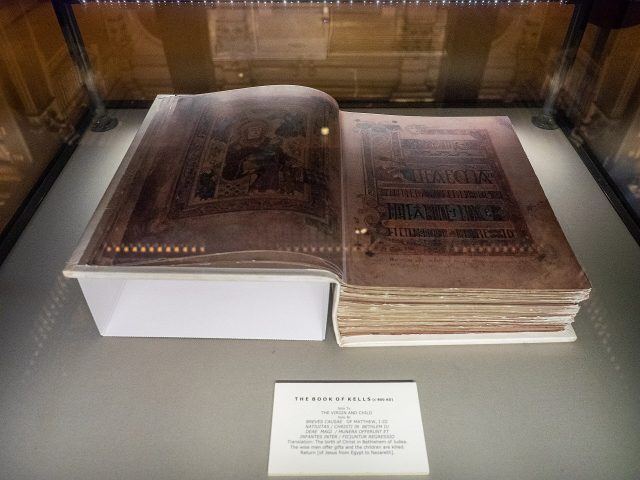


Eat & Drink
All of them
Places on the map
Marker colour follows the categoryClimate and weather
Detailed weather: Dublin- Average temperature
- 10 °C
- Precipitation per year
- 760 mm
- Sunshine hours per day
- 4 h
Average air temperature
°C
5
6
7
8
12
14
16
15
13
11
8
7
Jan
Feb
Mar
Apr
May
Jun
Jul
Aug
Sep
Oct
Nov
Dec


