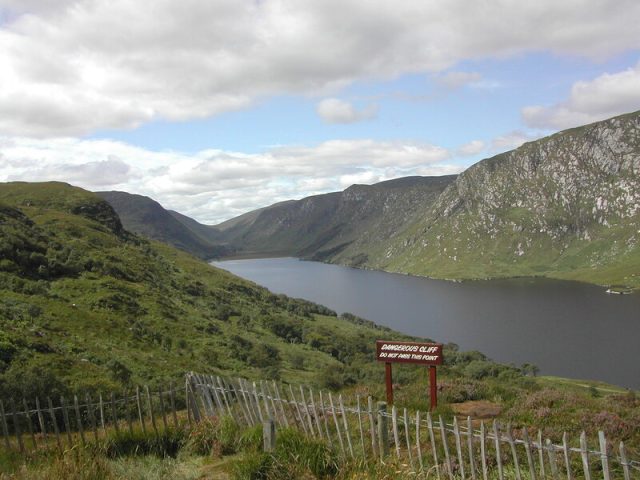
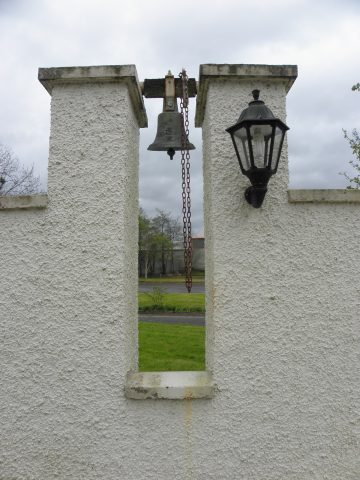
The Heritage Museum in Guidor is one of those quiet places where the past doesn’t just sit behind glass—it lingers in the air, in the creak of floorboards, in the way sunlight spills through tall windows onto worn wooden desks. Housed in a former 19th-century schoolhouse, the building itself feels like a relic, its high ceilings and wide sash windows designed to let in as much of the pale Irish light as possible. The town of Guidor, where the museum stands, is the kind of place that seems untouched by time: narrow lanes winding between stone cottages with brightly painted doors, the ever-present murmur of the Atlantic just beyond the last row of houses. It’s a setting that makes the past feel close enough to touch.
What makes this museum different is its refusal to grandstand. There are no towering exhibits or dramatic reconstructions, just ordinary objects that carry extraordinary weight. A fisherman’s knife, its blade worn thin from decades of use. A storm jacket, stiff with salt and time. A faded photograph of a family gathered outside a thatched cottage. These aren’t artifacts of kings or battles, but of people who lived, worked, and endured on Ireland’s wild western coast. The museum’s focus is on the rhythms of daily life—how people shaped their existence around the sea and the land, how they mended nets, carved wood, and passed down skills from one generation to the next. One display case holds the tools of local craftsmen: a blacksmith’s hammer, a weaver’s shuttle, a cooper’s adze. Another shows the simple things that filled homes—a clay jug, a hand-carved toy, a clock whose ticking once marked the hours for a fisherman’s family.
The Great Famine of the 1840s casts a long shadow over Ireland, and Guidor was no exception. The museum doesn’t sensationalize the suffering but presents it through the quiet resilience of everyday objects. A horn spoon, worn smooth from years of use. A pair of homemade shoes, their soles patched again and again. A quilt stitched from scraps of fabric, each piece a memory of better days. Nearby, yellowed letters and newspaper clippings tell of families who left, of ships bound for America, of those who stayed and somehow survived. The power of these exhibits lies in their restraint—they don’t need to shout to convey the weight of history.
Fishing has always been the lifeblood of Guidor, and the museum dedicates an entire room to its history. Models of traditional currachs—lightweight boats made of wood and canvas—sit alongside nets, floats, and navigational tools that trace the evolution of the trade. Early fishermen relied on oars and intuition; later, they adopted engines and modern gear. Black-and-white photographs line the walls: men in oilskin jackets hauling in their catch, women mending nets on the shore, children playing in the shallows. These images feel recent, almost familiar, a reminder of how closely life here was once tied to the sea. Even today, the rhythm of the tides still shapes the town, though the old ways are fading.
Yet the museum isn’t just about looking back. It also documents how traditions endure in the face of change. One exhibit highlights crafts that are still practiced in the area—knitting from the wool of local sheep, basket-weaving from rushes, stone-carving with techniques passed down through centuries. Contemporary artists and artisans are featured too, their work a bridge between past and present. These aren’t just souvenirs; they’re proof that culture here is alive, adapting rather than disappearing. The museum makes it clear that heritage isn’t something frozen in time—it’s a living thing, shaped by the hands of those who keep it going.
The building itself is part of the story. The old schoolhouse, with its high ceilings and wide corridors, still feels like a place of learning. Some of the original desks remain, their surfaces carved with initials and dates. On a quiet afternoon, it’s easy to imagine the hum of children’s voices filling the rooms, the scratch of chalk on slate. The museum has preserved these details carefully, from the scent of aged wood to the way the floorboards groan underfoot. It’s a space that invites lingering, not rushing.
What makes the Heritage Museum special is its lack of pretension. There are no flashy displays or over-the-top narratives, just a quiet acknowledgment of how people have lived here for generations. The staff, often locals with deep roots in the area, add another layer to the experience. They might point out a photograph of their grandfather or share a story about how the town has changed in their lifetime. These conversations turn a visit into something more than just looking at objects—they make history feel personal.
Guidor isn’t a place that draws crowds, and the museum doesn’t try to be anything it’s not. It exists for those who want to understand the real Ireland—the one beyond postcard-perfect landscapes and tourist brochures. There’s no attempt to romanticize the past or gloss over hardship. Instead, the museum offers something rarer: a sense of honesty, of lives lived with dignity in a place that can be as unforgiving as it is beautiful. It’s the kind of place that stays with you long after you’ve left, not because it dazzles, but because it feels true.