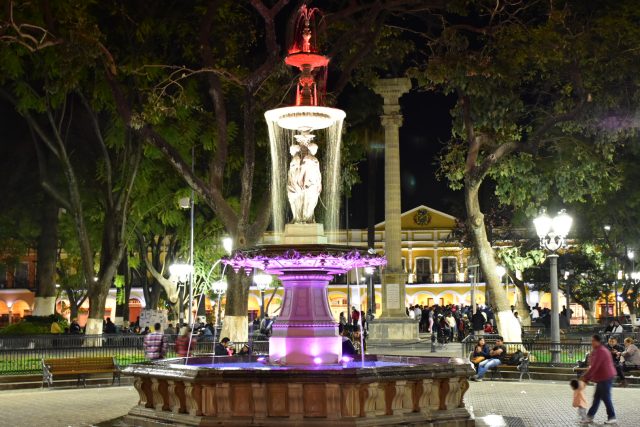
The Achu Theatre in Cochabamba is one of those places that doesn’t immediately demand attention but lingers in the memory long after you’ve left. Tucked into the heart of the city on Plaza 14 de Septiembre, it’s surrounded by low-rise buildings with brightly painted facades and bustling cafés where locals sip coffee and debate the day’s news. The theatre itself doesn’t resemble the grand opera houses of Europe—there’s no gilded marble or towering columns. Instead, its understated yet striking red-brick facade seems to absorb the very essence of Cochabamba’s history, blending seamlessly into the city’s everyday rhythm.
Built in the early 20th century, the Achu Theatre emerged during a period of rapid growth for Cochabamba, when the city was establishing itself as a cultural hub in Bolivia. Local entrepreneurs and patrons envisioned a space where art wouldn’t be confined to the elite but would be accessible to all. The name itself pays homage to the region’s indigenous roots: *achu* means "spirit" or "ancestor" in Quechua, a nod to the deep connection between the theatre and Bolivia’s native traditions. From the beginning, it was meant to be more than just a performance venue—it was a symbol of a city finding its voice.
Stepping inside feels like entering a time capsule. The auditorium, with its wooden seats and intricately carved balconies, holds around five hundred people. There are no flashy light shows or giant screens here—just a stage, a curtain embroidered with traditional patterns, and acoustics so clear that even those in the back rows can hear every whispered line. The foyer still displays faded photographs of actors who performed here over the decades, alongside old playbills that once drew packed houses. The air carries the scent of aged wood and polished floors, a quiet testament to the countless performances that have unfolded within these walls.
The theatre’s history mirrors the turbulence of Bolivia itself. By the mid-20th century, Achu had become more than just a stage for plays—it was a gathering place for political rallies, poetry readings, and impassioned speeches. In a region where art and activism often intertwine, the theatre reflected the social currents of the time. The 1980s brought economic crisis, and for a while, it seemed Achu might close for good. But the people of Cochabamba refused to let it disappear, rallying to preserve it as a beacon of resilience. Today, it stands as a living piece of the city’s past, though its schedule isn’t as packed as it once was.
Nowadays, Achu serves as both a theatre and a cultural center, hosting everything from classical music concerts to film screenings and literary evenings. The repertoire includes works by local playwrights alongside adaptations of classic plays reimagined through a Bolivian lens. A special place is reserved for performances in Quechua and Aymara, languages that carry the country’s rich indigenous heritage. Occasionally, the stage welcomes experimental troupes or street theatre groups, keeping the space dynamic and unpredictable. It’s not uncommon to see young artists testing new ideas here, ensuring that Achu remains a place where tradition and innovation coexist.
Architecturally, the theatre is a blend of European influences and local craftsmanship. The facade, with its arched windows and subtle bas-reliefs, hints at the colonial era, while the interior feels distinctly Bolivian. Wooden panels painted by local artisans depict scenes of rural life, mountain landscapes, and mythological tales. Even the chandeliers, hand-forged from wrought iron, resemble those found in Cochabamba’s older homes, adding to the sense of warmth and familiarity.
What makes Achu special isn’t just the performances but the atmosphere that surrounds them. Unlike the grand theatres of La Paz or Santa Cruz, there’s no formality here—just a sense of community. People often arrive early to wander the nearby streets, grab a coffee at one of the plaza’s cafés, or simply soak in the city’s energy. Before a show, the foyer might hum with live music—a guitarist or flutist playing softly—as if the evening’s celebration begins long before the curtain rises.
More than just a building, the Achu Theatre is a piece of Cochabamba’s soul. It has weathered revolutions, economic collapses, and shifting cultural tides, yet it remains a place where people come together to laugh, reflect, and connect. There’s no pretension here, just an authenticity that makes it feel alive. For visitors, it offers a chance to experience Bolivia beyond its landscapes and landmarks—to see the country through its culture, which is as vibrant, complex, and welcoming as the people who keep it alive.