Simon Bolívar Park in Cochabamba is one of those rare urban spaces where the city’s usual clamor fades into quiet greenery. Tucked in the heart of the city, it’s easy to find—just step away from the bustling avenues, and the noise gives way to shaded paths, as if you’ve entered another world entirely. Unlike many public parks, this one isn’t overrun by tourists or vendors hawking souvenirs. Instead, it’s a place where locals go about their daily lives: families strolling with children, students reading on benches, and elderly men playing chess beneath the canopy of ancient trees. For Cochabambinos, the park is a natural part of their routine, a spot to unwind alone or spend time with loved ones.
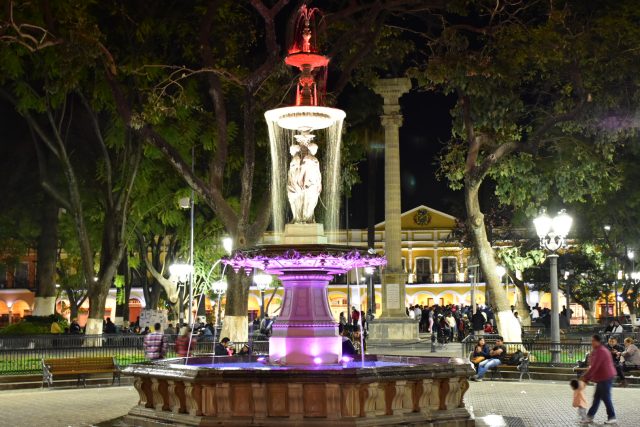
The park’s name honors Simón Bolívar, the liberator who played a pivotal role in South America’s struggle for independence from Spain. Though Bolívar never set foot in Cochabamba, his legacy is deeply felt here. The city was a stronghold of the independence movement, and the park serves as a living monument to that history. At its center stands a bronze statue of Bolívar on a tall pedestal, surrounded by flowerbeds and fountains. The monument doesn’t feel grandiose; it blends seamlessly into the landscape, a quiet reminder that history isn’t just about battles—it’s about the everyday lives that unfold around them.
The park’s design is simple and unpretentious, and that’s part of its charm. There are no ornate pavilions or artificial waterfalls, just straight pathways, well-kept lawns, and trees planted over a century ago. Some of the oldest trees are so massive that their trunks are propped up by metal supports to keep them from toppling under their own weight. The benches scattered throughout the park tell their own stories—some bear the engraved names of couples, others mark significant dates. Locals often return to the same benches their parents or grandparents once sat on, as if keeping a tradition alive.
A small lake at the park’s edge is one of its most beloved features. The water is shallow and slightly murky, but that only adds to its character. In the mornings, joggers circle its perimeter, while in the evenings, families gather to feed the ducks and swans. On the shore stands an old pavilion, once home to a brass band, now occasionally hosting small concerts or local art exhibits. In winter, the lake freezes over, and children skate across its thin surface, though the ice is never thick enough to be entirely safe. It’s a scene that feels both timeless and distinctly local.
Beyond its natural beauty, the park is also an open-air museum of sorts. Scattered among the trees and pathways are monuments commemorating key moments in Bolivia’s history. Near the entrance, a stele honors the victims of the Chaco War, one of the country’s most devastating conflicts. Not far from it stands a memorial to the heroes of the 1952 revolution, which ended oligarchic rule and paved the way for social reforms. These monuments aren’t flashy, but they serve as quiet reminders of Cochabamba’s long tradition of standing up for justice.
The park’s atmosphere shifts with the seasons. In summer, when Cochabamba’s heat is at its peak, the park is packed with people seeking shade under the trees. Evenings bring a soft glow from the lampposts lining the paths, casting a warm, inviting light. Autumn turns the foliage gold and crimson, filling the air with the scent of fallen leaves. Winter brings a hush over the park, its bare trees dusted with frost that melts under the morning sun. Spring is a time of renewal—flowers bloom, migratory birds return, and the park feels like it’s celebrating the start of something new.
For many Cochabambinos, Simón Bolívar Park is more than just a place to relax; it’s woven into their personal histories. Couples meet here for first dates, families celebrate birthdays under the trees, and parents bring newborns for their first outings. On weekends, the park becomes a hub of activity—children ride bikes or play soccer on the small field, while teenagers gather in groups to listen to music or chat. Impromptu picnics are common, with locals spreading out blankets and spending the day enjoying the fresh air.
Despite its popularity, the park never feels crowded. Even on busy days, there’s always a quiet corner where you can sit undisturbed. That’s part of why it’s so cherished—it doesn’t try to be anything more than what it is. It’s simply a green refuge in the middle of the city, a place to escape the rush of daily life. Time moves slower here, and even a short walk along the paths can leave you feeling more at ease.
The park has evolved alongside Cochabamba, growing from a small urban green space into one of the few places where the city’s past and present intersect. Some of the trees were planted during the colonial era, and a few benches have been there since the city was much smaller. Yet the park hasn’t shut itself off from modernity—new playgrounds, sports areas, and small cafés have appeared over the years. But these changes have been made carefully, ensuring the park’s unique atmosphere remains intact.
If you ever find yourself in Cochabamba, take the time to visit Simón Bolívar Park. Whether you go in the morning to watch the city wake up or in the evening to see the sunset over the lake, the experience will be the same. The park doesn’t try to impress; it simply offers a moment of quiet reflection, a chance to connect with nature and history. That’s why it’s so beloved—not just by locals, but by anyone who stumbles upon it. In a world that often feels too fast, places like this remind us of the value of slowing down.