Avignon’s medieval walls are more than just ancient fortifications—they are the city’s enduring chronicle, etched in stone over centuries. Built in the fourteenth century, they witnessed one of Europe’s most unusual chapters, when Avignon briefly became the center of the Catholic world. In 1309, the papal court relocated here from Rome, transforming a modest Provençal town into the epicenter of political intrigue, religious debate, and cultural flourishing. The walls were hurriedly constructed to shield the new papal seat from external threats, but over time, they evolved into a defining feature of the city’s landscape, symbolizing both its power and its vulnerability.
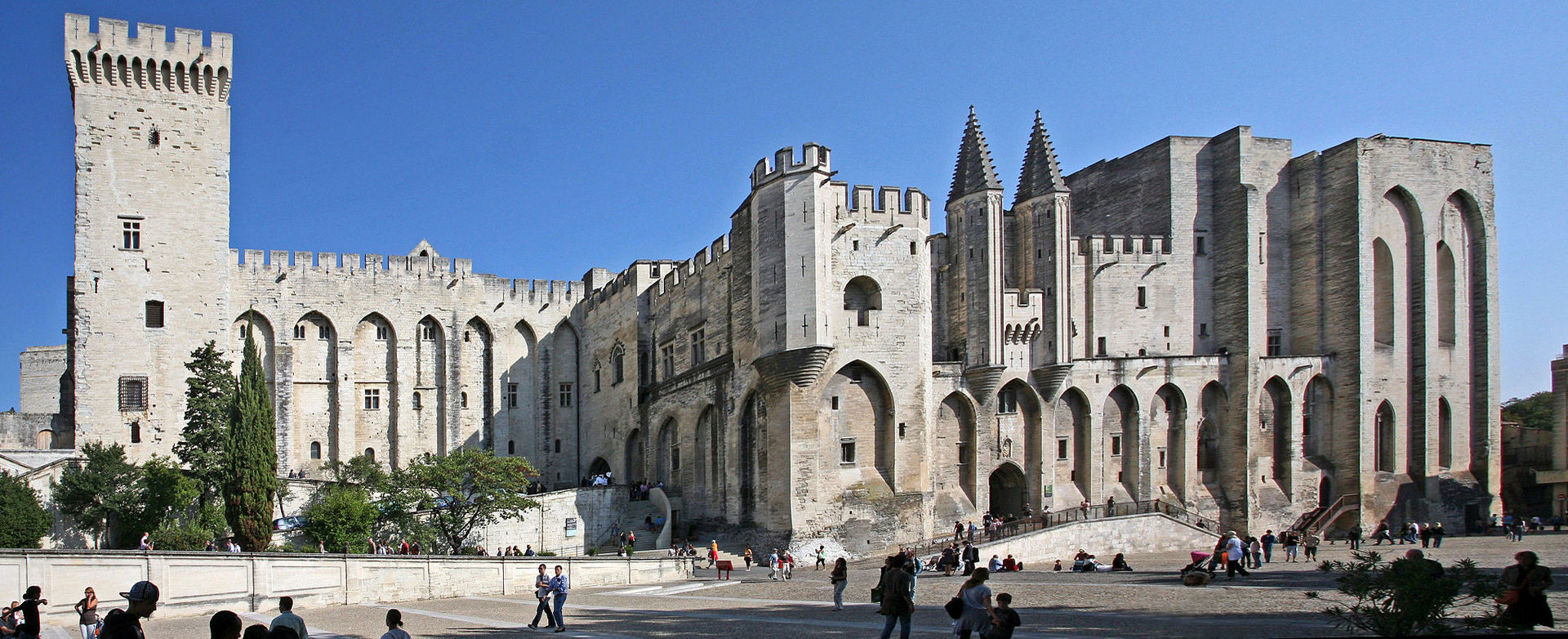
Today, the walls stretch nearly five kilometers around Avignon’s historic core. They haven’t survived entirely intact—some sections were demolished to make way for roads or urban expansion—but even in their fragmented state, they leave a strong impression. The northern and eastern stretches are the best preserved, where massive towers, crenellated battlements, and grand gates still stand. These gates once welcomed ambassadors, merchants, and pilgrims, and walking along the walls now feels like stepping back in time. Every stone seems to remember the medieval processions, sieges, and the decades when Avignon wasn’t just a city, but the heart of Christendom.
The architecture of the walls reflects late medieval military design, though with its own peculiarities. The towers are spaced unevenly, a result of both the terrain and the fact that construction happened in phases. Some sections were built in haste, while others were reinforced later when the need for stronger defenses became clear. The walls weren’t just solid barriers—they contained living quarters, storerooms, and even small chapels where soldiers could pray before battle. These details have faded over time, but if you look closely, traces of those structures remain embedded in the stone.
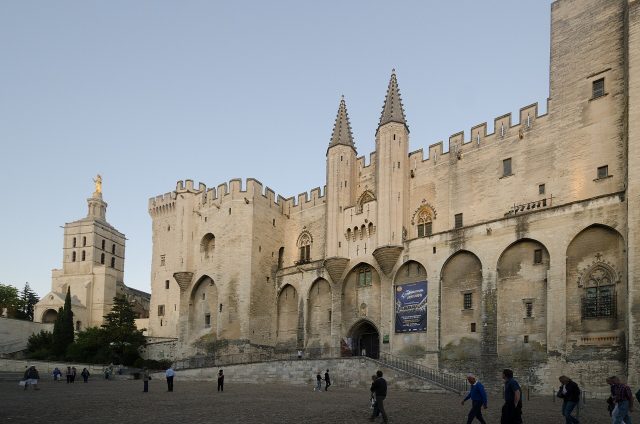
One of the most striking features along the walls is the Porte de l’Oulle, the gate through which popes and their entourages once passed. Better preserved than most, it still commands attention with its imposing arch, carved with the coats of arms of popes and cardinals—a reminder that Avignon was more than a fortress; it was the residence of the Church’s highest authorities. Beside the gate, a moat once filled with water in times of danger, though today only shallow depressions hint at its existence. Passing through the gate, you enter the narrow streets of the old city, where time seems to stand still. The same stone houses, arches, and the square before the Palais des Papes once drew crowds of the faithful.
The walls weren’t always purely defensive. In peacetime, they became a place for townspeople to stroll, host fairs, and even house craftsmen in their towers. By the Renaissance, as the threat of attacks waned, the walls lost some of their military importance but remained a vital part of the city’s infrastructure. They were used to control entry, collect tolls from merchants, and store goods in their towers. Some sections fell into disrepair, but the people of Avignon were in no hurry to tear them down—they had become too deeply woven into the city’s identity.
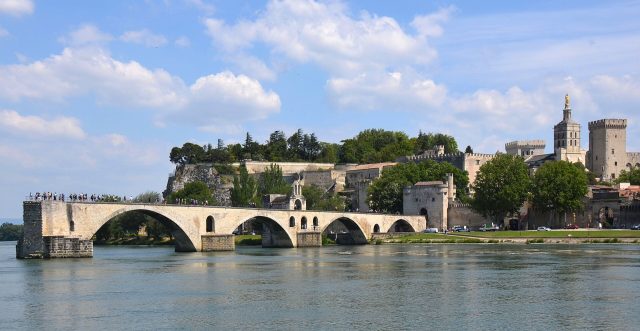
Now, the walls are both a historical monument and a place where the atmosphere of medieval Avignon lingers. The best time to walk along them is early morning or late evening, when the crowds thin and the setting sun bathes the stones in golden light. From the Rhône River, the walls appear even more striking, their reflection shimmering on the water as if the city were floating above the earth. Paved paths run along much of the perimeter, allowing visitors to trace the route, pausing at the surviving towers and gates to imagine the bustling life of seven centuries ago.
These walls are no museum piece—they are part of a living city. They’ve endured wars, revolutions, and change, yet remain an integral part of Avignon’s fabric. Locals treat them with respect but without reverence; the walls have become a familiar backdrop to daily life. Children play nearby, couples stroll along them, and elderly residents sit on benches, watching the city evolve. That, perhaps, is the true charm of Avignon’s walls: they don’t just recall the past—they continue to exist alongside the city, a silent witness to all its transformations.