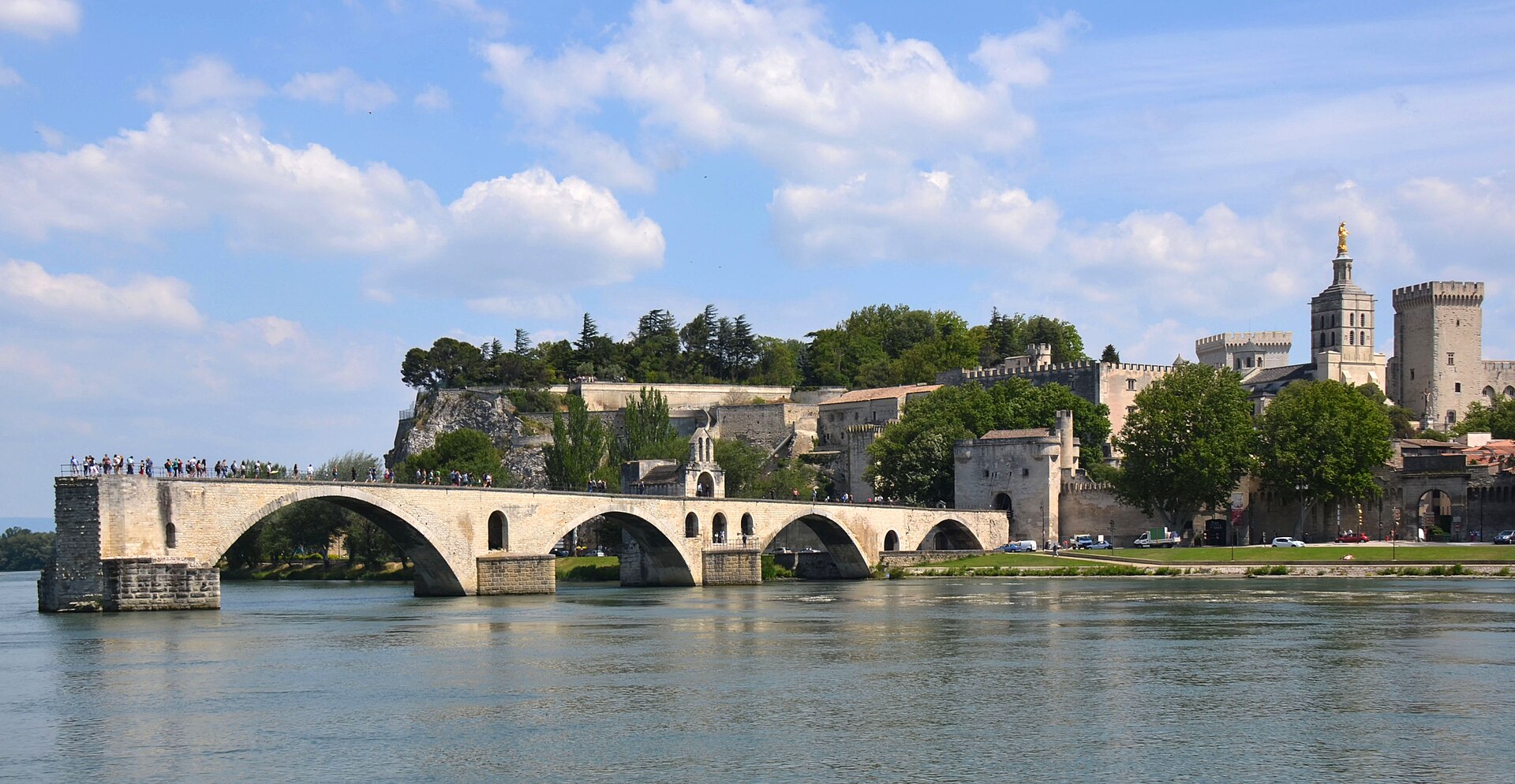
The Pont Saint-Bénézet, better known as the Avignon Bridge, is one of those rare places where history feels almost tangible. What remains today—just four of its original twenty-two arches—still stretches across the Rhône, a silent witness to centuries of trade, pilgrimage, and the relentless force of the river itself. The bridge was never just a crossing; it was a lifeline, a symbol, and for a time, a marvel of medieval engineering. Even in its fragmented state, it carries the weight of its past, standing where the Rhône runs widest and fastest, as if still trying to bridge not just two banks, but two eras.
The story of the bridge begins in the 12th century with a legend that has endured as stubbornly as the stone itself. A young shepherd named Bénézet, so the tale goes, heard a divine voice commanding him to build a bridge across the Rhône. With the help of locals, he constructed a wooden structure, which was later replaced by stone. While the legend paints a picture of humble devotion, the reality was likely far more pragmatic. The Rhône was a vital trade route, and a bridge here would have been a lucrative venture, backed by Avignon’s merchants and the Church. By the 13th century, the bridge had become a key link in the network of roads connecting northern Europe to the Mediterranean, its tolls filling the coffers of those who controlled it.
By the 14th century, the bridge had taken on new significance. It became part of the Camino de Santiago, the pilgrimage route to Santiago de Compostela, its nine-hundred-meter length wide enough to accommodate two carts side by side. A chapel dedicated to Saint Nicholas, the patron saint of travelers, stood on the bridge, offering a place of prayer and refuge. Nearby, a small fort provided security for those crossing. But the Rhône was a fickle guardian. Floods, ice, and the river’s powerful currents repeatedly damaged the structure, each repair a temporary fix against the inevitable. After a particularly devastating flood in the 17th century, the bridge was left in ruins, its arches collapsing one by one until only a fragment remained.
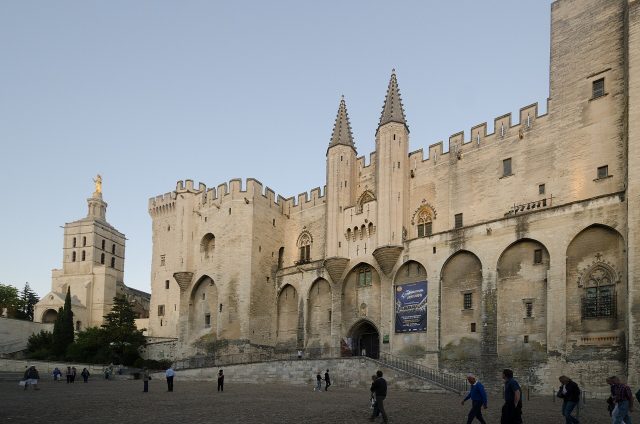
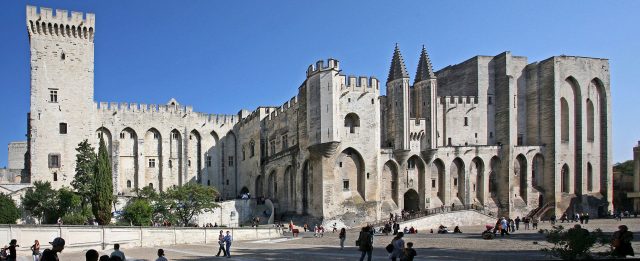
Today, the bridge is less a functional crossing and more a monument to endurance. It no longer bears the weight of carts or pilgrims, but it still draws visitors who come to stand where history once passed. From its remaining arches, the view of Avignon is especially striking at sunset, when the golden light spills over the Palais des Papes and the rooftops of the old city. Below, the Rhône rushes past, as untamed as it was centuries ago, its waters whispering of the bridge’s former glory. The contrast is striking—the stillness of the stone against the relentless movement of the river, a reminder of how fleeting even the grandest human achievements can be.
The bridge is deeply entwined with Avignon’s own rise and fall. In the 14th century, when the papacy relocated from Rome to Avignon, the city became the center of the Catholic world. The bridge symbolized the connection between the papal court and the rest of Europe, its arches a physical manifestation of the Church’s reach. But as Avignon’s influence waned, so too did the bridge’s importance. Its partial destruction mirrored the city’s decline, a slow unraveling that left both as shadows of their former selves. Yet even now, the bridge remains one of Avignon’s most recognizable landmarks, a quiet testament to the shifting tides of power and faith.
Visiting the Pont Saint-Bénézet is as much about atmosphere as it is about history. In summer, the bridge hums with activity—tourists pose for photos, street musicians play, and the air is filled with the murmur of languages from around the world. The crowds can make it feel almost alive, as if the bridge has momentarily shaken off its centuries of solitude. Winter, though, is when it reveals a different kind of beauty. The air is crisp, the crowds thin, and the bridge stands almost ghostly in the mist, its arches framing the river like a painting. It’s easy to imagine the past here, to picture the pilgrims and merchants who once crossed its span, their footsteps long since washed away by time.
The bridge’s fame extends beyond its physical presence, thanks in part to the old French song *Sur le pont d’Avignon*. The tune, with its playful lyrics about dancing on the bridge, has cemented its place in popular culture. In reality, the bridge was never wide enough for dancing—its narrow path and uneven surface would have made it a precarious stage. But the song, written in the 16th century, captured something intangible about the place: its sense of joy, of community, of life unfolding in the shadow of history. Today, visitors sometimes try to reenact the song’s scenes, though the bridge’s current state makes it more of a symbolic gesture than a practical one.
What makes the Pont Saint-Bénézet special is its ability to evoke both grandeur and fragility. It stands as proof of human ingenuity, a structure that once defied the river’s might, yet it also serves as a reminder of nature’s indifference. The Rhône has reclaimed much of what was built here, leaving only a fragment to tell the story. And yet, that fragment is enough. It speaks of ambition, of faith, of the relentless passage of time. To stand on the bridge is to feel the weight of history—not as something distant and abstract, but as something alive, something that still lingers in the wind and the water below. It may no longer connect two banks, but it still connects past and present, a bridge in more ways than one.