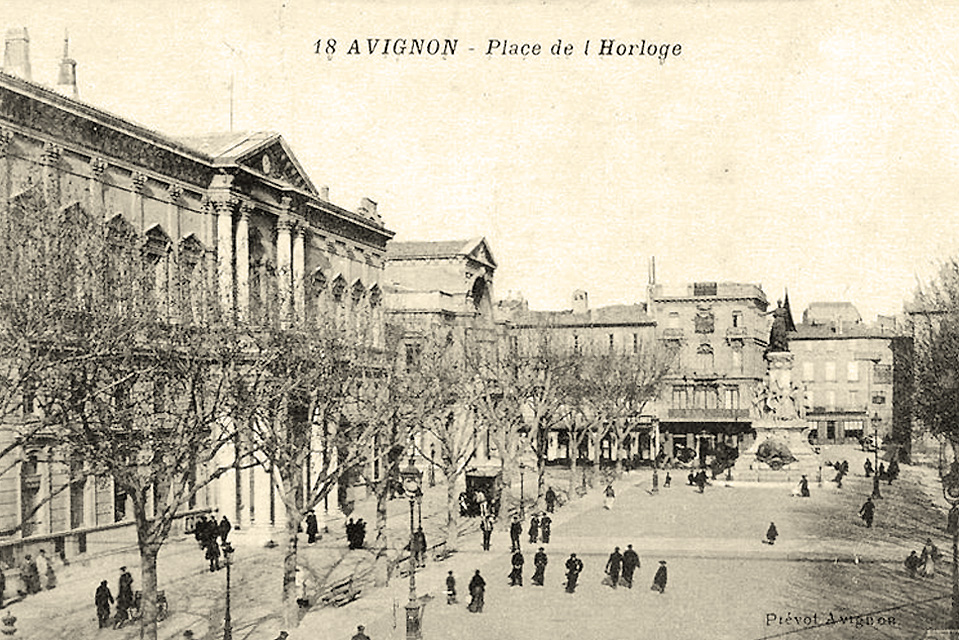
Place des Horloges in Avignon is one of those rare spots where the city unfolds at its own unhurried pace, like a well-worn book whose pages have been turned by countless hands before yours. There’s no rush here, though this square was once the very pulse of medieval life—a place where decisions were made that shaped not just the city, but all of Europe. Today, it remains a gathering point for anyone wanting to experience the essence of Provence, the slow rhythm of southern France, and that unique atmosphere that lingers where history and everyday life intersect.
The square takes its name from the clock tower of the town hall, which has marked time for Avignon’s residents for centuries. The tower isn’t just an architectural landmark; it’s a symbol of the city’s authority and independence. During the Middle Ages, Avignon wasn’t some backwater town—it was the seat of the popes, and the town hall with its clock stood as a reminder that this was where matters of consequence were decided, matters that rippled across the Christian world. Even now, the tower commands attention, especially if you climb it for a view over the terracotta rooftops of the old city, the winding streets, and the distant hills softened by haze.
Place des Horloges is an open stage where the city’s daily life plays out. In summer, it’s especially lively: tourists linger at café tables with glasses of rosé or coffee, locals stroll with their children, and street musicians fill the air with the sounds of guitars or accordions. Winter brings a quieter charm—the lamplight casts warm reflections on the cobblestones, and a faint sea breeze hints at the Mediterranean’s proximity. The square doesn’t lose its appeal; it simply shifts, like a scene changing in a play.
The architecture here tells a story in stone. Buildings from different eras stand side by side: medieval facades with narrow windows and carved balconies, 18th-century mansions with their symmetrical lines, and even a few modern touches that blend seamlessly into the scene. The town hall itself, built in the 14th century when Avignon was the papal capital, is particularly striking. Its Gothic facade, with tall pointed windows and the city’s coat of arms above the entrance, is a reminder of a time when councilors met here to debate war, trade, and taxes.
But Place des Horloges isn’t just about history and architecture. It’s a place where you can simply sit on a bench and watch the city go by. In summer, small fairs or local festivals often take over the square, celebrating Provençal traditions. July brings the famous Avignon Theatre Festival, turning the streets into a stage for actors, audiences, and curious onlookers. Even if you’re not a theater enthusiast, the energy is infectious—strings of lights glow in the evening, music drifts through the air, and the scent of lavender and fresh bread lingers.
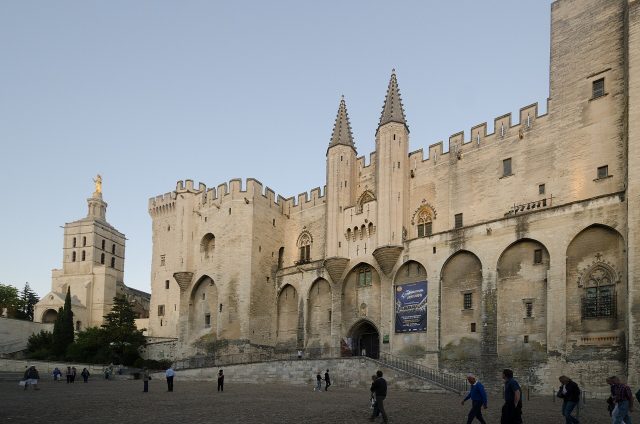
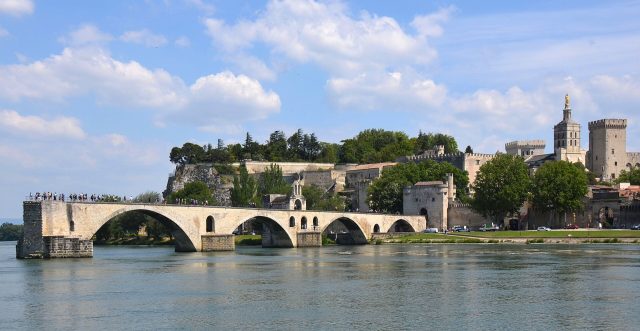
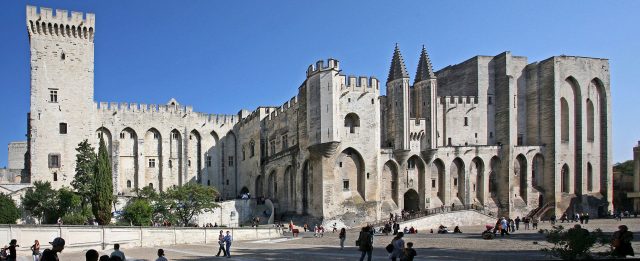
From here, other parts of Avignon are just a short walk away. The Palais des Papes, the grand palace that once housed the popes, looms nearby. The Rhône River flows past, spanned by the legendary Pont Saint-Bénézet, immortalized in song. But even if you don’t venture further, the square itself is worth lingering in. There’s nothing forced or artificial about it—just the authentic life of the city, unfolding as it has for centuries.
As evening falls, the square transforms. When the sun dips behind the rooftops, the old-fashioned streetlamps flicker to life, casting intricate shadows across the cobblestones. Cafés and restaurants fill with patrons, and the air hums with laughter and quiet conversation. If you’re lucky, you might hear someone playing the piano or singing to a guitar—moments like these stay with you. It’s easy to imagine the square as it once was, filled with merchants, craftsmen, and pilgrims haggling, gossiping, and striking deals.
Place des Horloges isn’t just a tourist attraction; it’s a living part of Avignon. It doesn’t try to impress with grandeur or opulence, and that’s precisely its charm. Everything here feels real—the worn steps of the town hall, the weathered plaster on the buildings, the smell of fresh bread from the nearby bakery. History isn’t locked away in a museum; it’s right beside you, in every stone, every sound, every glance from a passerby. That’s why people keep coming back—to feel, once more, the rhythm that makes Avignon so unforgettable.