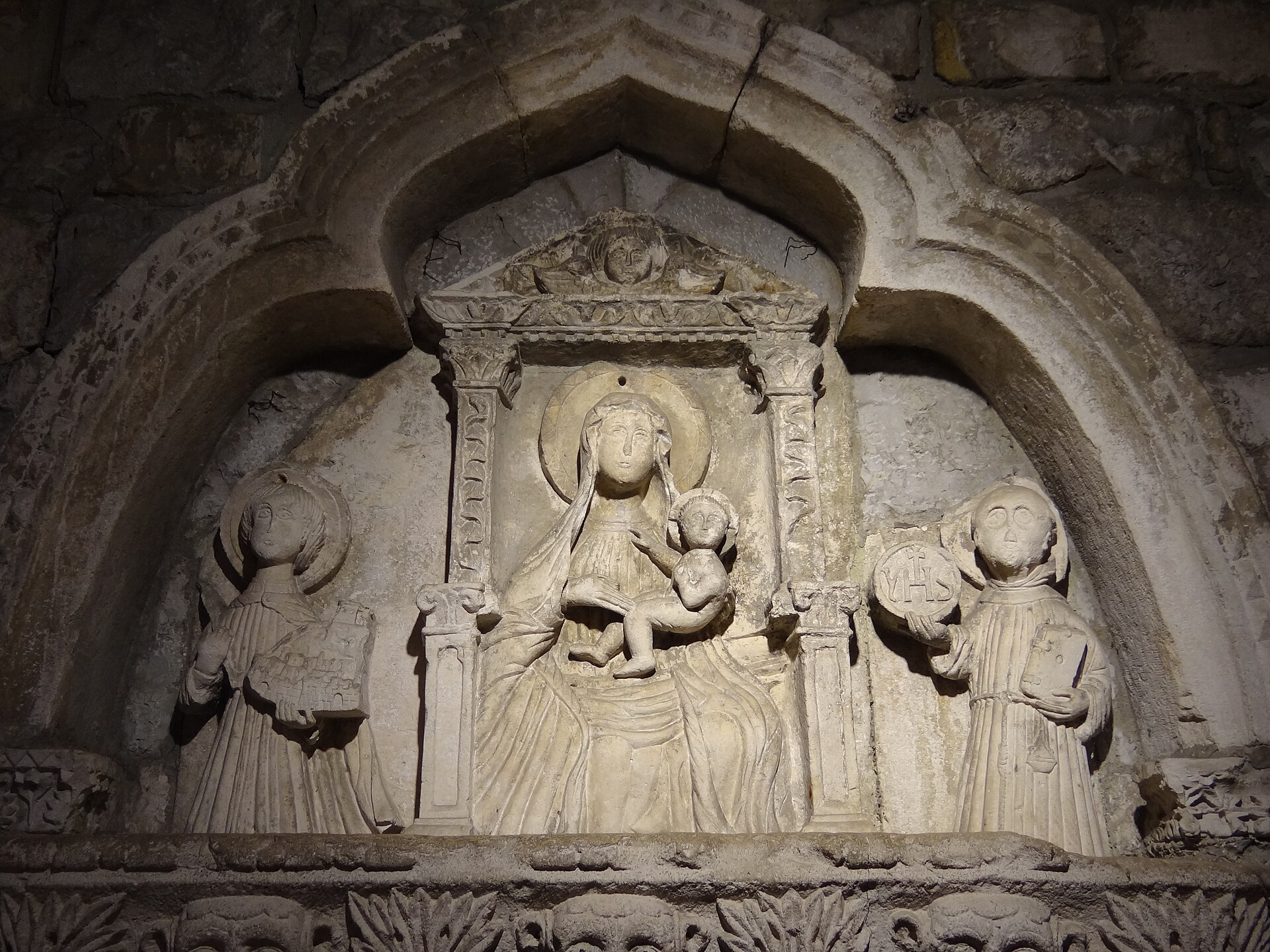
The Sea Gate of Kotor stands as the most prominent entrance to the old town, a quiet witness to centuries of comings and goings along this stretch of the Adriatic coast. Built in the sixteenth century, these gates were the first point of contact for travelers arriving by sea, a threshold between the open waters and the labyrinthine streets of the fortified city. The gate’s sturdy stone arch, framed by two imposing towers, was designed not just for defense but to impress—an immediate reminder of Kotor’s strategic importance during the Venetian era. Above the entrance, a carved relief of the winged lion of St. Mark still gazes out, a symbol of the Republic’s long influence over the region.
Walking through the Sea Gate today feels like stepping into another time. The passage narrows slightly as you move inward, the cool stone walls pressing in just enough to make the transition from the bustling waterfront to the quieter heart of the old town feel deliberate. On the inner side, a small plaque marks the date of the gate’s construction—1555—though the fortifications themselves have roots that stretch much further back. The gate was part of a larger system of walls that encircled Kotor, a city that had already been shaped by Illyrian, Roman, and Byzantine hands long before the Venetians arrived.
What makes the Sea Gate more than just a historical relic is its place in the daily rhythm of Kotor. Unlike some ancient entrances that now serve only as tourist photo ops, this one remains a functional part of the city. Locals pass through it on their way to the market or the marina, and fishermen still unload their catch just beyond its threshold. The gate’s lower level, once used for customs and inspections, now houses small shops and cafés where visitors can pause for a coffee or a plate of fresh seafood. The mix of old and new is seamless here—centuries-old stonework meets the clatter of modern life without either feeling out of place.
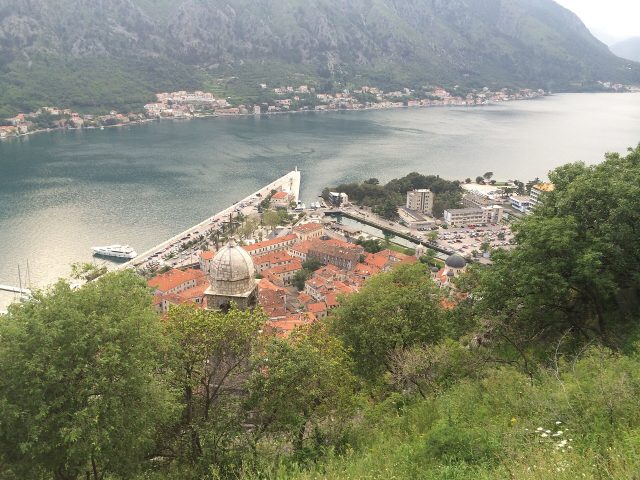
The gate’s position at the edge of the Bay of Kotor also gives it a unique perspective on the landscape. From the small square just inside, you can look back toward the water and see the dramatic rise of the mountains that cradle the bay. These natural walls, nearly as imposing as the city’s man-made ones, have shaped Kotor’s history as much as any ruler or empire. The bay’s deep, sheltered waters made it a prized harbor for centuries, while the surrounding peaks offered protection from would-be invaders. The Sea Gate, then, was more than an entrance—it was a statement of resilience, a declaration that this city would endure.
For all its historical weight, the Sea Gate is also a place of small, everyday moments. In the early morning, the light slants across the stone, casting long shadows that soften the rough edges of the carvings. By midday, the square inside hums with activity—vendors selling lavender and handmade jewelry, children darting between the legs of tourists, the occasional street musician tuning a guitar. In the evening, the gate is bathed in the warm glow of lanterns, and the sound of laughter spills out from the nearby bars. It’s a reminder that history isn’t just about grand events or famous names; sometimes, it’s about the quiet persistence of a place that has seen empires rise and fall but still stands, open to whoever chooses to walk through.
The gate’s architecture tells its own story, one of adaptation and survival. The lower portion, with its thick, unadorned stone, speaks to its original military purpose. Higher up, the details become more refined—the lion of St. Mark, the delicate carvings around the arch, the small niches that may once have held statues or lamps. These elements reflect the Venetian style, but they also hint at the layers beneath. The gate was built atop older foundations, and if you look closely, you can see where different eras of construction meet, where the rougher stone of an earlier period gives way to the smoother, more precise work of the Renaissance.
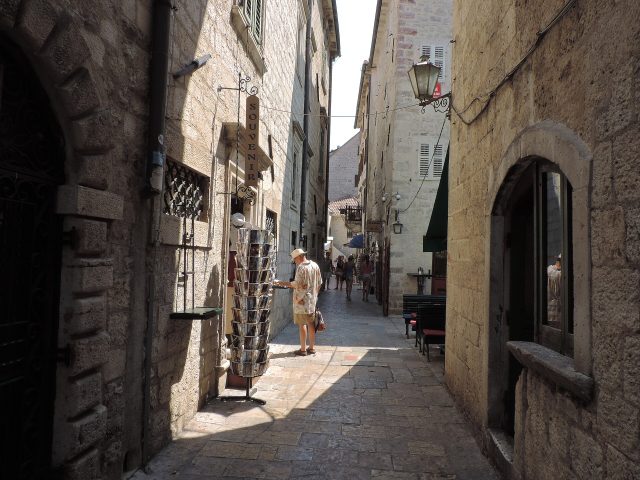
Kotor’s Sea Gate is also a starting point for exploring the rest of the old town. From here, the streets fan out in a maze of narrow alleys, each one leading to another hidden square, another church, another glimpse of the city’s past. The main thoroughfare, St. Tryphon’s Street, begins just beyond the gate, winding its way toward the cathedral and the heart of the city. Along the way, you’ll pass under more arches, through more gates, each one a reminder of how Kotor’s defenses were designed to confuse and slow down attackers. The Sea Gate, as the first of these, sets the tone—it’s a place where history feels tangible, where every stone has a story to tell.
Yet for all its historical significance, the gate doesn’t feel like a museum piece. It’s still very much alive, still serving the same basic purpose it always has: to welcome people into Kotor. Whether you arrive by boat, as travelers have for centuries, or simply wander in from the modern part of town, the experience is much the same. The gate doesn’t demand attention, but it rewards those who take a moment to notice it. It’s a place where the past and present coexist without fanfare, where the weight of history is felt not in grand gestures but in the quiet details—the worn steps, the faint echoes of footsteps, the way the light changes as the day goes on. In a city as layered as Kotor, the Sea Gate is just one piece of the puzzle, but it’s a piece that helps make sense of the whole.