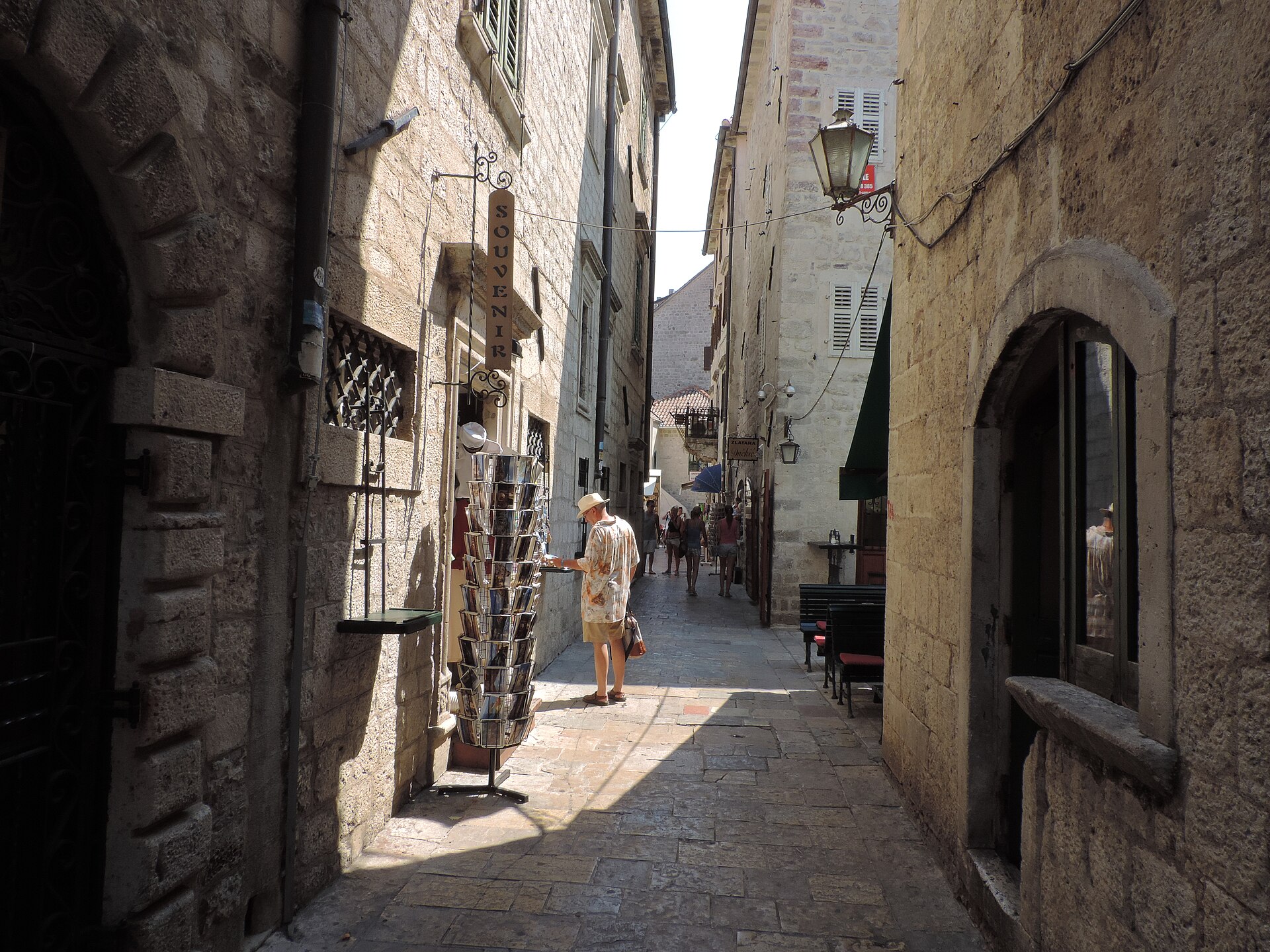
The Maritime Museum of Montenegro sits quietly in the heart of Kotor, tucked away in one of those old stone buildings that seem to have grown out of the city itself. The Grgurina Palace, where the museum is housed, is a three-story structure with thick wooden doors and narrow windows, a classic example of the coastal architecture that blends Dalmatian and Venetian influences. Its facade is adorned with coats of arms and reliefs, remnants of a time when Kotor was a bustling port on the Adriatic, a crossroads of trade and naval power. Inside, the building carries the weight of its past—worn stone steps, darkened beams, and faint traces of frescoes hidden beneath layers of plaster. Even without a single exhibit, the palace itself would tell a story.
The museum is dedicated to Montenegro’s seafaring legacy, spanning centuries from antiquity to the mid-20th century. Its collection includes ship models, navigational instruments, maps, weapons, documents, and personal items belonging to sailors. A significant portion of the exhibits focuses on the age of sail, when Kotor was a key Venetian port. Here, you’ll find meticulously crafted replicas of medieval galleys, tools used in shipbuilding, and everyday objects from sailors’ lives—rough canvas bags alongside delicate snuffboxes brought back from distant lands. Another section covers Montenegro’s naval history in the 19th and 20th centuries, a period when the country sought to establish itself as an independent maritime power.
One of the most compelling parts of the museum is its collection of documents and photographs chronicling the lives of Kotor’s captains and merchants. During the Middle Ages and the early modern period, local families amassed wealth through trade with Italy, Greece, and the Ottoman Empire. Many sent their sons to Venetian maritime schools, where they trained to become ship captains. The museum holds logbooks, trade contracts, and letters from sailors to their families—documents yellowed with age, carrying the anxieties of stormy voyages, the hope of profitable journeys, and the longing for home. Nearby, portraits of captains hang on the walls, their stern faces framed by naval uniforms and medals earned through years of service.
The museum’s collection of nautical charts and atlases is particularly striking. Some date back to the 16th century and were painstakingly drawn by hand on parchment. These maps trace the routes of merchant ships, marking treacherous shoals, currents, and ports where crews could restock supplies. Beyond their historical value, the charts are works of art—delicate coastlines, intricate compass roses, and tiny illustrations of ships and sea monsters, which medieval cartographers used to represent uncharted waters. Alongside them, navigational tools like astrolabes, sextants, and hourglasses offer a glimpse into how sailors once found their way across the open sea.
Beyond maritime history, the museum also explores fishing and shipbuilding, industries that shaped Kotor’s economy for centuries. One room displays traditional fishing boats, lightweight and agile, perfectly suited for navigating the narrow bays of the Bay of Kotor. Nearby, nets, hooks, floats, and other fishing gear are on show, many crafted by hand using age-old techniques. Another exhibit highlights shipbuilding tools—axes, planes, chisels—used by craftsmen to carve boat hulls from single tree trunks. These artifacts underscore how deeply the city’s livelihood depended on the sea.
Though small, the museum paints a vivid picture of how Kotor’s existence has always been tied to the Adriatic. Wedged between mountains and water, the city relied on trade, fishing, and shipbuilding to survive. Even today, as tourists flock to its medieval walls and winding streets, the sea remains an inseparable part of its identity. Walking through the museum’s halls, it becomes clear why locals take such pride in their maritime heritage. There’s no exaggeration here—just the tangible evidence of how people once navigated the Adriatic, took risks, traded goods, built ships, and passed down their knowledge through generations.
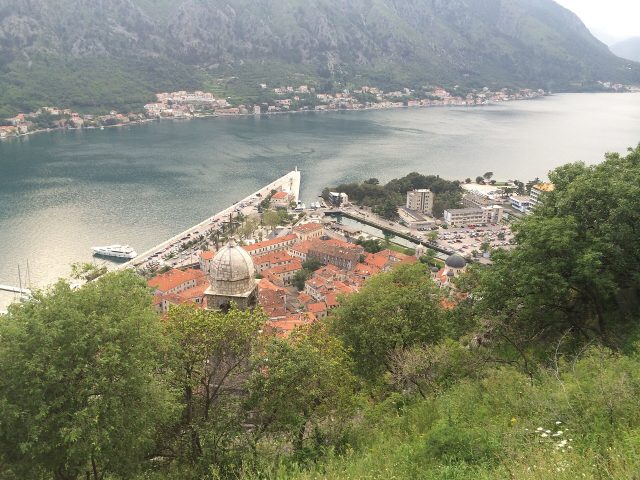
Visiting the museum is less about viewing exhibits and more about stepping into the atmosphere of an old port city. The halls are quiet, the only sounds the occasional footsteps of other visitors or the creak of floorboards. Light filters through narrow windows, casting long shadows on the walls, as if time itself has slowed. After leaving, it’s worth walking down to the waterfront to gaze at the bay—the same waters that once carried sailing ships now lap against stone quays, while the surrounding mountains stand as silent witnesses to those who set sail and never returned. The Maritime Museum of Montenegro is more than a repository of artifacts; it’s a place where history comes alive, a reminder that the sea has always been, and will always be, part of Kotor’s soul.