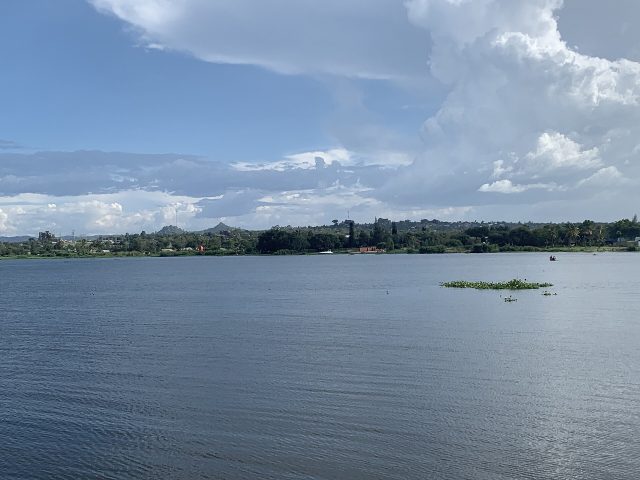
Musoma Stadium doesn’t announce itself with fanfare. It sits quietly on the edge of this small lakeside town in Tanzania, where Lake Victoria meets the shore. It’s more than a sports ground—it’s where people gather, celebrate, and sometimes debate.
The stadium’s history reflects Musoma’s own changes. Before independence, the area was a cluster of settlements, and sports were mostly for European officials and a few locals. After 1961, the stadium became a symbol of a new beginning—a place where anyone could come, no matter their background. Today, it’s still one of the few public spaces where people can just show up, sit on the bleachers, or play football on the nearby pitches.
The design is simple. Concrete stands, an open field, basic facilities. Trees line the edges, offering shade from the heat. Beyond the fence, the town’s low houses and small shops blend into the landscape. There are no giant screens or VIP boxes, but the openness suits the climate, and the lack of pretension makes it feel familiar.
Football is what brings the stadium to life. Musoma doesn’t have the big teams of Dar es Salaam or Arusha, but match days are just as intense. Local derbies or games against nearby towns fill the stands with cheering fans and drumbeats. For many, these matches are more than sport—they’re a chance to see friends, talk about news, and feel part of something bigger.
The stadium isn’t just for football. Schools hold sports days here. Local musicians perform. On holidays like Independence Day, the field becomes a stage for dancing, performances, and shared meals. Sometimes, it’s where residents gather for town meetings or political rallies. In those moments, it’s not just a stadium—it’s the heart of the town.
The area around the stadium shows Musoma’s daily rhythm. The town moves slowly. Nearby cafés serve strong coffee and fresh chapati. Roadside markets sell fruit, vegetables, and fish from the lake. Artisans display handwoven fabrics and wooden carvings, adding color to the streets.
For travelers, Musoma Stadium won’t be the main attraction. But places like this often show local life best. There are no tourist traps here—just a chance to see Tanzania as it is. You might catch a football match or a festival. Or you might just sit on the bleachers and watch the town go by.
Musoma doesn’t chase tourists, and its stadium isn’t a monument. It’s a living space. In a world where so many places look the same, spots like this remind you that real life happens in the unremarkable corners—the ones that are worn but full of stories. Musoma Stadium is one of those places.