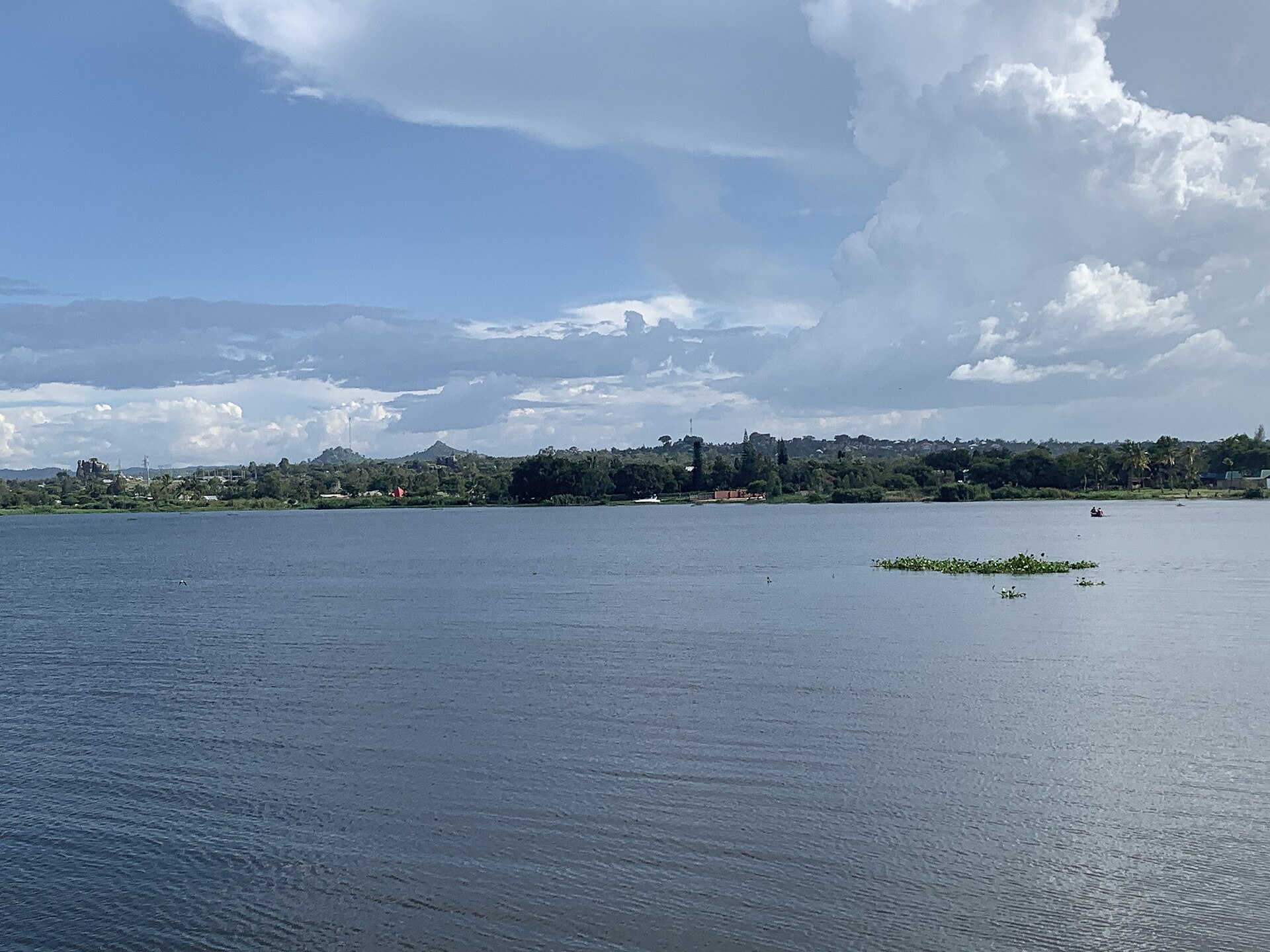
Lake Victoria doesn’t reveal itself at first glance. It lacks dramatic landscapes or vivid colors, yet this understatement is what sets it apart. As Africa’s largest lake and the world’s second-largest freshwater lake, its waters span Tanzania, Uganda, and Kenya. Near Musoma, the shore feels intimate—far from cities and tourist paths.
Musoma, a small port town on the lake’s eastern edge, moves to the rhythm of the water.
Fishermen leave at dawn, returning by midday with their catch. They sell it along the shore or take it to local markets. Life here unfolds slowly, as if time bends to the lake’s unhurried pulse. The Luo community treats the water with respect—it’s their lifeline, highway, and cultural cornerstone.
The lake’s history ties into African exploration. British explorer John Hanning Speke named it after Queen Victoria in 1858 while searching for the Nile’s source. Yet long before Speke, local communities had lived along its banks for generations, using the water for trade, travel, and sustenance. For them, the lake wasn’t a discovery—it was always there, shaping their lives. Some villages remain unchanged: clay huts, fishing nets drying in the sun, children playing at the water’s edge.
The architecture in Musoma is simple. There are no grand cathedrals or palaces, just wooden piers, weathered fish warehouses, and stilted homes built to withstand floods. Markets sell fresh fish, fruit, and handmade crafts. You can buy smoked perch, taste mangoes straight from the tree, or sip strong tea while watching life along the shore.
Below the surface, Lake Victoria holds a world of its own. Its waters host hundreds of fish species, many unique to the region. The Nile perch, a massive fish, has sustained generations of fishermen. Fishing here is a craft passed down through families, with techniques refined over centuries. Fishermen know the lake’s moods: where to cast nets during the rainy season, which areas to avoid when predators lurk, and how to read the water for storms.
In recent decades, the lake has faced challenges—pollution, invasive species, and climate change. Communities are working to protect its ecosystem through sustainable practices.
For travelers, Lake Victoria offers a different Africa. No safari jeeps or crowded resorts, just life shaped by water. Take a boat to Ukerewe or Rubondo, where untouched landscapes and rare birds thrive. Walk along the shore as the sunset turns the water golden and fishermen return with their catch. The lake feels like a living thing, breathing with the seasons.
The climate is mild but humid. From March to May, rain transforms the shores into lush green, filling the air with the scent of blooming plants. The lake swells, and fishing yields peak. From June to October, the dry season brings cooler nights, fewer mosquitoes, and clearer water. Even in heat, the lake breeze keeps the air fresh.
Lake Victoria isn’t for those seeking luxury. There are no hotels, no resorts, no guided tours. Instead, there’s silence broken by birds and waves, people living in harmony with the land, and the lake itself—vast and full of life. It asks for respect and curiosity. If you give it time, it reveals an overlooked side of Africa: quiet, enduring beauty.