Musoma
Tanzania · 8 places
Photo: Ikiwaner, GFDL 1.2
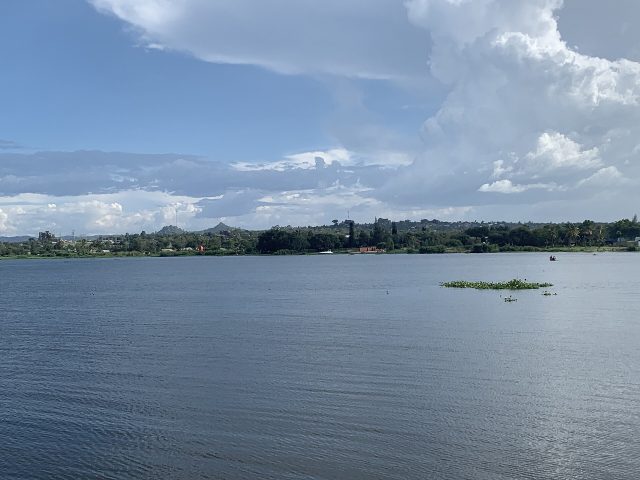
Musoma sits where Lake Victoria blurs into the horizon. Water meets sky in a single band of blue. Unlike Tanzania’s better-known destinations, this isn’t a place of safari jeeps or ancient mosques. It doesn’t hum with the chatter of tourists comparing camera lenses. Instead, it moves to the rhythm of a lakeside town—fishing boats drift back at dawn, the market square carries the scent of fresh catch, spices, and woodsmoke from roadside grills.
Ferries depart from here for distant islands. In the mornings, a thin mist rises over the water.
The town grew around trade and fishing. The harbor is always alive: dockworkers unload sacks of maize and rice, fishermen mend their nets, children dart along the pier, squinting into the murky water for perch or tilapia. Nearby, the market sells smoked fish, bananas, peanuts, and dense local bread—everything fresh from the boats or the fields. There are no souvenir stalls. Instead, you’ll find soap, fabric, batteries, medicine. Accommodation is simple—guesthouses where you can stay if you decide to linger. Most visitors don’t.
Beyond the town, the landscape rolls into savanna-covered hills and villages. The Luo and Kuria people live in thatched huts, gathering at dusk around fires to share stories or sing to the beat of drums. In the villages, women grind grain in wooden mortars. Men tend cattle on the dry pastures. If you’re lucky, you might stumble upon a local celebration—a wedding, a festival—where the town erupts in music, dance, and patterned cloth for a few days.
Most travelers who make it to Musoma aren’t here for landmarks. They come for the quiet, the scent of woodsmoke, the sense that time moves differently.
This isn’t a place for those seeking adventure or spectacle. There are no wild animals, no crumbling ruins, not even a proper beach. But that’s what makes it worth visiting—Musoma is unpolished, unhurried. Tourists are rare. Locals regard them with mild curiosity. You could spend a day watching fishermen repair their nets or children kick a ball on a dusty pitch. Then, as the sun dips behind the lake, the water turns gold. The world seems to pause.
In those moments, it’s clear why Musoma doesn’t need to sell itself. It exists at its own pace. That’s enough.
See & Do
All of them
Places on the map
Marker colour follows the categoryClimate and weather
Detailed weather: Musoma- Average temperature
- 23 °C
- Precipitation per year
- 1164 mm
Average air temperature
°C
23
24
24
23
24
23
23
23
24
24
23
23
Jan
Feb
Mar
Apr
May
Jun
Jul
Aug
Sep
Oct
Nov
Dec