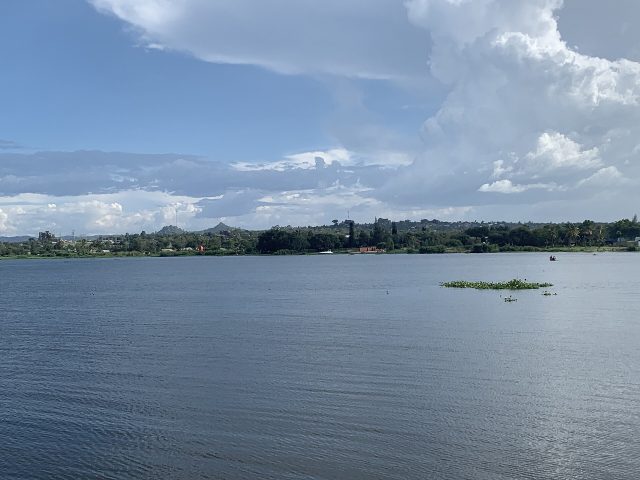
The Mwalimu Nyerere Museum Centre in Musoma offers a quiet but powerful glimpse into Tanzania’s past through the life of one of its most influential figures. Julius Nyerere, the country’s first president, was known simply as Mwalimu—teacher—and this museum is less about grand exhibits than about the ideas and struggles that shaped a nation. Set on the shores of Lake Victoria, the centre feels removed from the usual tourist paths, inviting visitors to step into a story that is still unfolding.
The museum itself is housed in an unassuming building, far from the polished halls of larger institutions. Inside, the displays are personal, almost intimate. You’ll find the books Nyerere read, the clothes he wore, and photographs capturing moments from his life—both public and private. A wooden desk where he worked, handwritten notes in the margins of documents, even the simple tools of his daily routine all serve as quiet reminders of a man who shaped Tanzania’s identity. There’s no attempt to mythologize him here; instead, the exhibits present a leader who was as much a thinker as a politician.
One of the most compelling sections of the museum focuses on the fight for independence. Nyerere wasn’t just a statesman; he was an architect of Tanzania’s early vision, advocating for *ujamaa*—a form of African socialism that sought to unite the country’s diverse ethnic groups under a shared national identity. The displays trace how these ideas took root, the challenges they faced, and the compromises that followed. It’s a story of idealism meeting reality, and the museum doesn’t shy away from the complexities of that era.
Just steps from the main building stands the house where Nyerere spent his final years. The home has been preserved much as it was during his lifetime—a modest, single-story structure with a garden where he often retreated. Walking through the rooms, you can almost sense his presence: the well-worn furniture, the shelves of books, the kitchen where he likely shared meals with family and guests. It’s a rare opportunity to see a leader not as a distant figure but as someone who lived, worked, and reflected in these very spaces.
For Tanzanians, especially younger generations, the museum serves as more than a historical record. It’s a place where the past is kept alive through lectures, discussions with independence veterans, and exhibitions on modern challenges. The centre fosters conversations about what it means to be Tanzanian today, bridging the gap between the ideals of Nyerere’s time and the realities of the present. It’s a reminder that independence wasn’t just a moment of celebration but the beginning of an ongoing responsibility.
Musoma itself is a town that moves at its own pace, and the area around the museum offers a glimpse into everyday life in this part of Tanzania. The streets are lined with small markets selling fresh fish from Lake Victoria, while local cafés serve dishes like *ugali* and *nyama choma* to regulars. There are no crowds of tourists here, just the rhythm of a community that has long been shaped by the lake and the land. A walk through the town can be as revealing as a visit to the museum, offering a sense of how history and daily life intersect.
Nyerere’s influence extended far beyond Tanzania’s borders. As a leader in the Non-Aligned Movement, he championed African solidarity and spoke out against colonialism and apartheid. His ideas on self-reliance and unity resonated across the continent, and the museum doesn’t let visitors forget that legacy. Yet it also doesn’t present his story as a simple tale of success. The exhibits acknowledge the difficulties Tanzania faced under his leadership—the economic struggles, the debates over *ujamaa*, the tensions between idealism and pragmatism. It’s a balanced portrayal, one that invites reflection rather than reverence.
What makes the Mwalimu Nyerere Museum Centre special is its refusal to reduce history to easy answers. There are no grand declarations here, just a quiet acknowledgment of how the past continues to shape the present. For visitors, it’s an opportunity to consider what it means to build a nation—not just in terms of policies and politics, but in the everyday choices of its people. The museum doesn’t offer conclusions, but it does provide something more valuable: a space to think, to question, and to connect with the stories that define Tanzania. In that sense, it’s less a destination than a starting point.