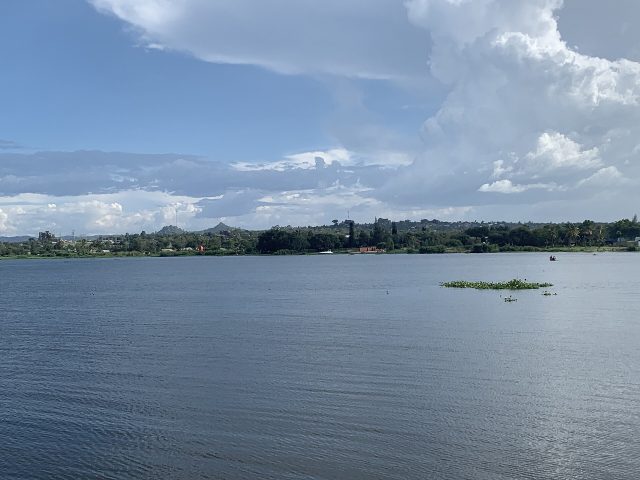
Musoma Market is the pulse of the town, where daily life unfolds in full color. Perched on the shores of Lake Victoria, this sprawling maze of stalls draws people from across the region. It offers the morning’s fresh catch, bolts of fabric shipped up from Dar es Salaam, and handmade clay pots fired in nearby villages. The market hums with activity every day, but the early hours are when it feels most alive. The air is cool and thick with the scent of woodsmoke from breakfast fires, and the first light catches the glint of fish scales and the sheen of ripe mangoes.
The market’s layout is simple, built for function. Rows of corrugated iron roofs shelter the stalls, shielding vendors and shoppers from the midday sun or sudden downpours. The aisles are narrow, barely wide enough for two people to pass. A cart piled high with goods or a woman balancing a basket on her head must edge through carefully. The market has stood for decades, its structure reinforced year after year with whatever materials were at hand.
Musoma began as a trading post, a stopping point for merchants moving goods between the interior and the coast. Over time, what was once a seasonal gathering of farmers and fishermen became permanent. Fish from Lake Victoria remains central, but today you’ll also find pyramids of tomatoes and onions, sacks of spices, handwoven baskets, and secondhand electronics. The heart of the market is the exchange of local goods, where transactions often include conversation.
The atmosphere is a sensory experience. The air carries the shouts of vendors, the laughter of children darting between stalls, and the occasional putter of a motorcycle navigating the crowd. The smells shift as you move—grilled tilapia over charcoal, fresh ginger, overripe bananas, dried herbs. There’s a constant hum of activity, but it follows unspoken rules: where to stand, how to negotiate, when to step aside. Time moves differently here. A single purchase can turn into a half-hour conversation.
For locals, the market is a social hub. Neighbors catch up over cups of milky chai, elders debate politics or football on wooden benches, and women sort through piles of fabric. Tourists are rare, so a visit feels like stepping into a side of Tanzania most travelers miss. There are no guided tours, no staged photo ops, just daily life as it happens. If you linger, you might be invited to taste a vendor’s lunch or hear the story behind a spice blend.
Don’t expect a warm welcome in the traditional sense. Musoma isn’t a tourist town, and foreigners stand out. You’ll draw curious glances, maybe a few shy smiles. But if you show genuine interest—asking about a strange fruit, admiring a handcrafted stool, or trying something unfamiliar—people will respond. They’ll explain how to eat a dish, why their grandmother’s recipe is the best, or where to find the freshest fish. Prices are fair, and the exchange is about more than money.
Musoma Market has no grand architecture or carefully curated displays. What makes it special is its authenticity. This is where life happens in real time, where routines repeat yet always offer something new. A vendor might have a different fruit in season, or a new batch of hand-dyed kangas might arrive from the coast. The market doesn’t try to impress—it simply exists.
If you’re looking for the Tanzania you won’t find in brochures—the one that’s messy, deeply human, and alive—this is it. It’s not a place for a quick visit. It’s a place to wander, to watch, to taste, and to let the experience sink in. You might leave with a bag of spices or a handwoven basket, but what stays with you is how life here moves at its own pace.