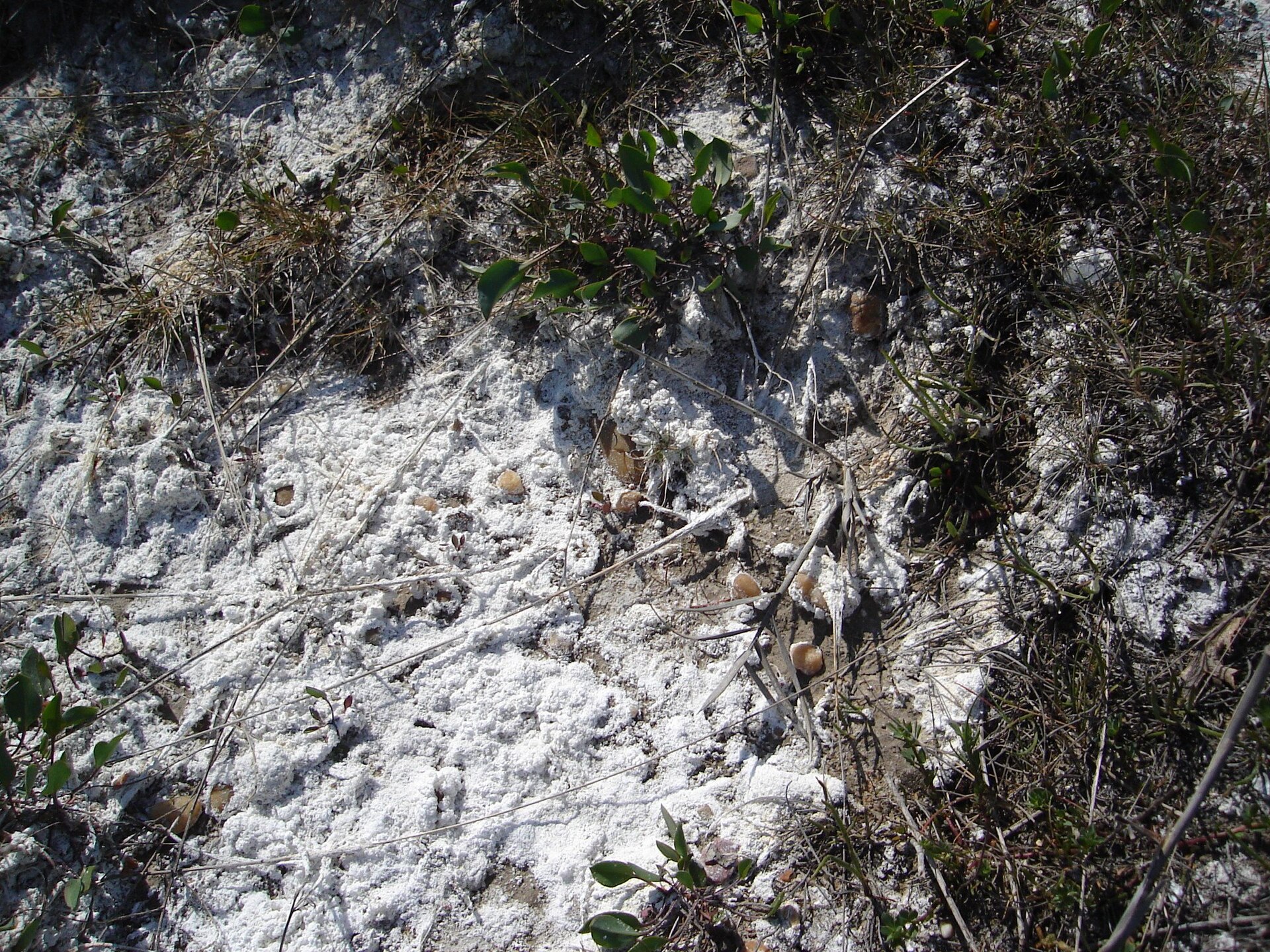
Salar de Uyuni is a place where the earth dissolves into the sky, and the horizon vanishes into an endless expanse of white. Stretching across more than ten thousand square kilometers in southwestern Bolivia, it sits at an altitude of over three and a half thousand meters, making it the largest salt flat in the world. During the dry season, its surface hardens into a perfectly smooth mirror, reflecting clouds and stars in a way that blurs the line between land and sky. It’s not just a natural wonder—it’s a phenomenon that reshapes your sense of space and time.
The history of Uyuni stretches back millions of years. Long ago, this area was covered by Lake Minchin, a vast body of water that eventually evaporated, leaving behind a thick layer of salt. Later, around forty thousand years ago, Lake Tauca formed and also disappeared, giving way to the salt flat we see today. For centuries, the local people have relied on this salt not just for food but as a building material—constructing homes, furniture, and even sculptures from it. Now, Uyuni is more than a source of salt; it’s a symbol of Bolivia, drawing travelers from all over the world.
When the rainy season arrives, usually between December and March, the salt flat transforms into a vast mirror. A thin layer of water spreads across the salt crust, creating the illusion of infinity. Photographers flock here to capture the surreal optical effects—mountains, clouds, and people appearing to float in midair. But reaching Uyuni during this time can be challenging; roads wash out, and parts of the area become inaccessible. In contrast, the dry season, from May to November, hardens the surface, allowing vehicles to traverse the endless white plains with ease.
Uyuni is far more than just a flat, white desert. At its center lies Isla Incahuasi, an island covered in cacti, some towering over ten meters tall. This green oasis stands in stark contrast to the surrounding whiteness, a remnant of ancient volcanic activity. The island also holds traces of prehistoric settlements, offering a glimpse into how people once adapted to life in such a harsh environment. Around the salt flat, small villages are home to the Aymara, indigenous people who maintain traditional ways of life—harvesting salt, herding llamas, and crafting wool textiles.
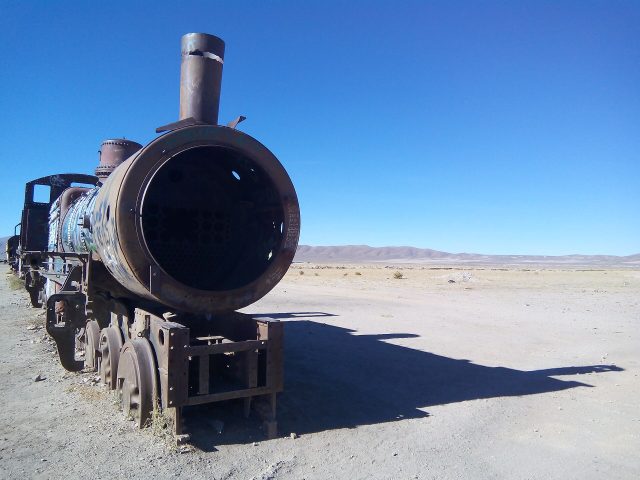
Beyond its natural beauty, Uyuni is also a cultural landmark. Nearby, the so-called Train Cemetery holds rusted locomotives and railcars from the early 20th century, remnants of a railway that once connected Bolivia to Chilean ports. These metal skeletons now stand as eerie relics, a stark contrast to the surrounding landscape. Not far away, the village of Colchani is known for its hot springs, where travelers can relax and warm up after the long journey.
Reaching Uyuni is no small feat. The trip from La Paz or other major Bolivian cities involves hundreds of kilometers of winding mountain roads and rough terrain. The high altitude takes its toll—many visitors experience symptoms of altitude sickness, so acclimatization is key. But those who make the journey are rewarded with an experience unlike any other. Unlike crowded tourist hotspots, Uyuni offers solitude, silence, and a sense of being completely immersed in nature.
At night, the salt flat becomes one of the best places on Earth for stargazing. The clear, high-altitude sky, free from light pollution, reflects the Milky Way across the salt surface, creating the feeling of floating in space. Many travelers camp here overnight just to witness this spectacle. In those moments, it’s impossible not to feel the vastness of the universe and the smallness of our place within it.
Uyuni is a place that defies full description. You have to see it for yourself—feel the crunch of salt beneath your feet, breathe the thin mountain air, and watch as the sun sets, painting the white desert in shades of pink and orange. It’s not just a destination; it’s an experience that changes how you see the world. Here, there are no familiar landmarks, no crowds, no noise—just you, the sky, and infinity.