The Mineral Museum in Uyuni is one of those quiet places that doesn’t announce itself with grand facades or tourist crowds, yet it holds a piece of Bolivia’s hidden wealth. While most travelers come to this remote town for the vast salt flats that stretch beyond the horizon, the museum offers a different perspective—one that digs beneath the surface, literally. It’s a small collection, but it speaks volumes about the country’s geological richness, gathering samples from the Uyuni region and beyond.
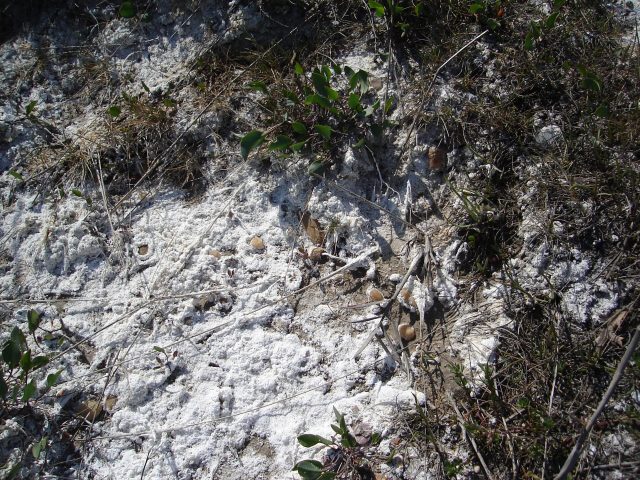
Housed in an unassuming building that blends into the town’s low-slung streets, the museum feels more like a private curiosity than a formal institution. Inside, glass cases display an array of crystals, ores, and stones in shapes and colors that range from the subtle to the striking. The most obvious connection to the area is the salt specimens, their rough textures and muted hues a stark contrast to the blinding white expanse of the nearby Salar de Uyuni. But there are other treasures too—quartz with its glassy clarity, pyrite glinting like fool’s gold, and amethysts with their deep violet tones. Some pieces come with brief descriptions, though the museum doesn’t overwhelm visitors with technical details. It’s a place for those who already have an interest in geology or simply want to understand what lies beneath the salt flats’ famous surface.
The museum’s origins are tied to Bolivia’s long history of mining, a story that has shaped the country’s economy and identity. Uyuni itself was once a crucial hub for transporting minerals, a role that became even more pronounced in the 19th and early 20th centuries when a railway connected the town to the Chilean port of Antofagasta. Trains carried silver, tin, and other resources from the mines of Potosí and beyond, turning Uyuni into a crossroads of industry. The museum emerged as a way to preserve that legacy, a small but meaningful effort to show how minerals have driven the nation’s fortunes—sometimes for better, often for worse. Today, it stands as a reminder that Bolivia sits atop some of the world’s richest mineral deposits, though that wealth has rarely translated into widespread prosperity.
Among the exhibits, there are glimpses of an even older past. Fossils of ancient marine creatures, unearthed in the region, hint at a time when the salt flats were part of a vast prehistoric lake. These remnants of long-extinct life tell a story of geological transformation, of how the land was shaped by forces that played out over millions of years. For those with a scientific curiosity, the museum offers a chance to see how the earth’s surface has shifted, how mountains rose and waters receded to create the landscape we see today.
The atmosphere inside is understated, almost meditative. There are no guided tours or crowds pressing in, just the quiet hum of a space designed for contemplation. The staff, usually locals, are available if questions arise, but they don’t hover. Visitors are left to wander at their own pace, taking in the details of each specimen without pressure. It’s the kind of place that might disappoint those expecting a grand spectacle, especially after the dramatic vistas of the salt flats. But for those who appreciate places with character—where history feels tangible rather than staged—the museum has its own quiet appeal.
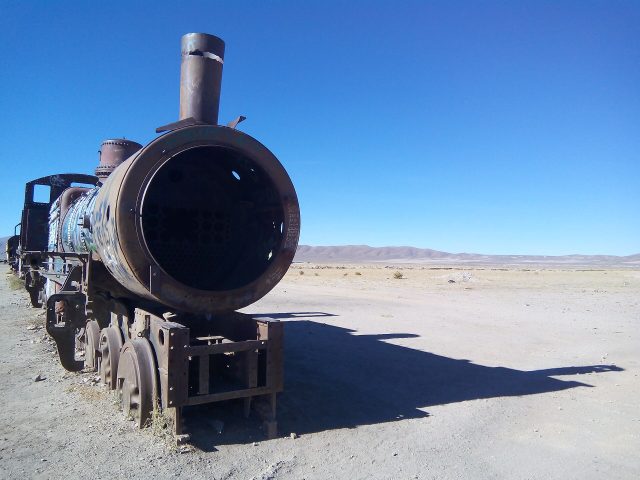
This isn’t a destination that demands a detour, but if you’re already in Uyuni, it’s worth an hour of your time. It won’t replace the awe of walking across the salt flats or exploring the eerie train cemetery on the town’s outskirts, but it adds another layer to the region’s story. There are no flashy displays or interactive exhibits here, just the raw beauty of what the earth has produced over millennia. In its own modest way, the museum reveals why Bolivia has long been a magnet for those in search of treasure—whether they were miners, explorers, or simply travelers looking for something real.