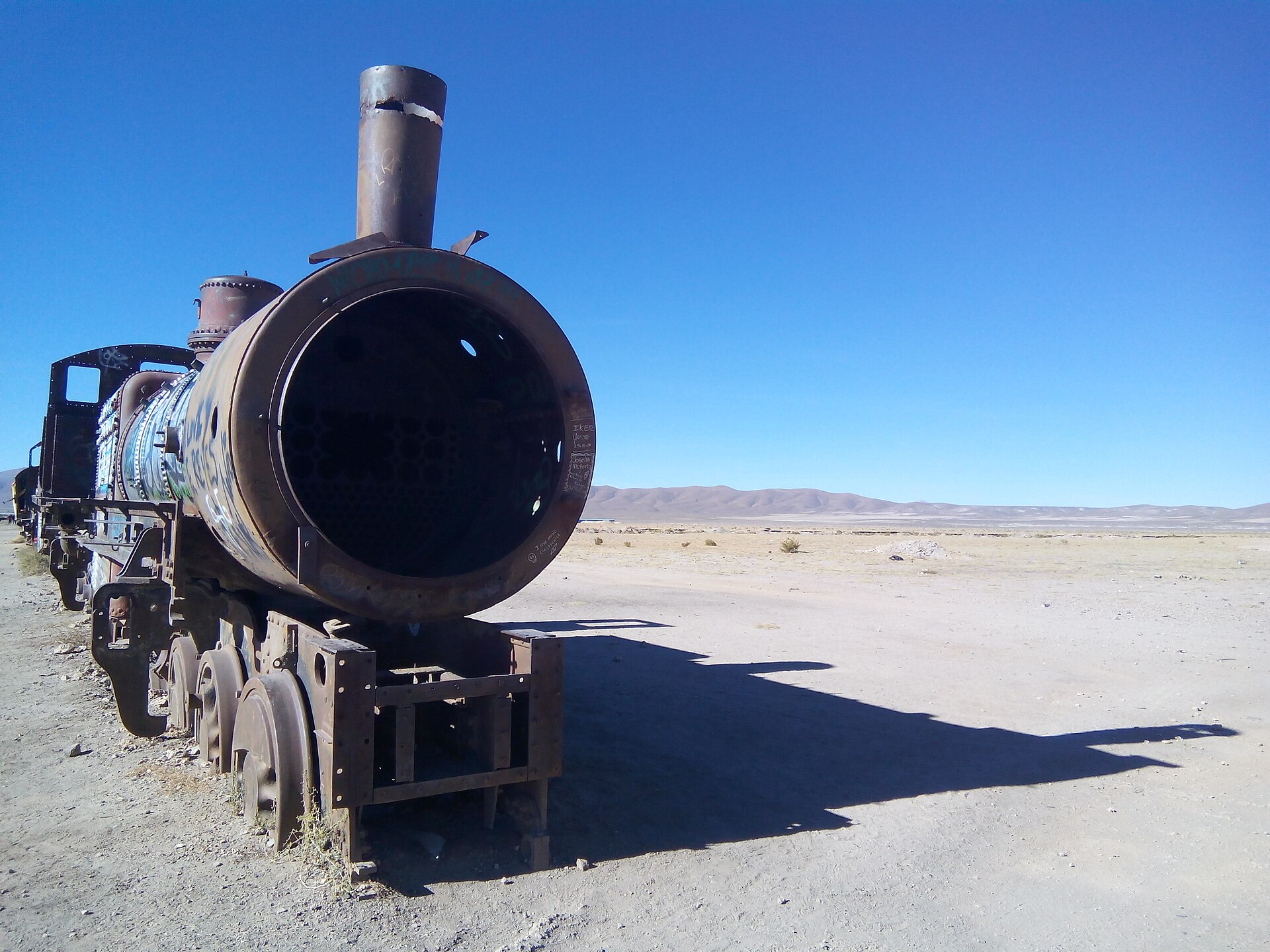
The Train Cemetery near Uyuni is one of those places where time seems to have paused, leaving behind the rusted skeletons of a once-great era. On the edge of the salt flat, under the open sky, dozens of old locomotives and carriages stand abandoned—relics of Bolivia’s railway pride. Now, they slowly decay under the wind, sand, and rare rains, turning into strange metal sculptures shaped by history.
In the late 19th century, Bolivia was in the midst of a railway boom. British and Chilean engineers laid tracks through the Andes, connecting mining towns to Pacific ports. Uyuni became a key transport hub, with trains carrying tin, silver, and other minerals from the surrounding mountains. The railway wasn’t just infrastructure; it was a symbol of progress, a promise of economic growth. But by the mid-20th century, mining declined, and with it, the railways fell into disuse. Trains were gradually retired, and many were left to rust on the outskirts of town.
Today, the Train Cemetery is an open-air museum where each locomotive tells its own story. Some are better preserved, with visible numbers, company emblems, and even patches of faded paint. Others have collapsed into shapeless heaps of metal, overgrown with weeds and dust. Locals occasionally repurpose parts—turning scraps into fences, shelters, or even furniture—but the site remains largely untouched, a monument to a vanished era.
The atmosphere here is quiet, almost melancholic, yet strangely captivating. At sunrise or sunset, when the light warms the metal, the cemetery takes on a haunting beauty. Visitors come to wander between the carriages, imagining the days when these machines roared along the tracks, hauling tons of ore. Some guides spin tales of ghostly engineers or hidden treasures in the abandoned trains, though there’s little truth to them.
This isn’t just a tourist attraction; it’s a piece of Bolivia’s history, a reminder of how quickly fortunes can change. There are no signs, no guided tours—just the silent presence of the trains. You walk between the rusted tracks, touch the corroded metal, and listen to the wind echoing through empty cabins. For a moment, it feels as if the trains might spring to life, carrying you back to when Uyuni was the heart of the region’s industry.
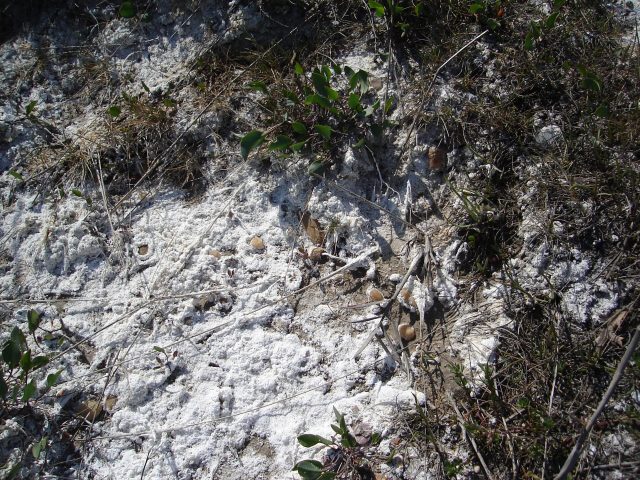
Nearby lies the Uyuni Salt Flat, the largest in the world. These two places, so different yet connected, create a striking contrast. The salt flat is endless white, a sense of boundless space, while the Train Cemetery is a concentration of time, a reminder that everything fades. Together, they form a landscape unlike any other.
You can visit the cemetery on your own—it’s just a few kilometers from town, an easy walk or short taxi ride. The best times are early morning or late afternoon, when the heat eases and the light softens. Don’t expect amenities; there are no cafes, shops, or restrooms. But that’s part of what makes this place special. It’s for those who find beauty in decay, who appreciate silence and history told without words.