Above Sarandë, the viewpoint on Mount Likurg lets the city spill beneath you—terraced houses, a bay, and the Ionian Sea meeting the horizon. On clear days, Corfu sits just offshore, close enough to see the shape of its hills. By evening, Sarandë’s lights flicker like scattered embers, the water darkening until it mirrors the sky.
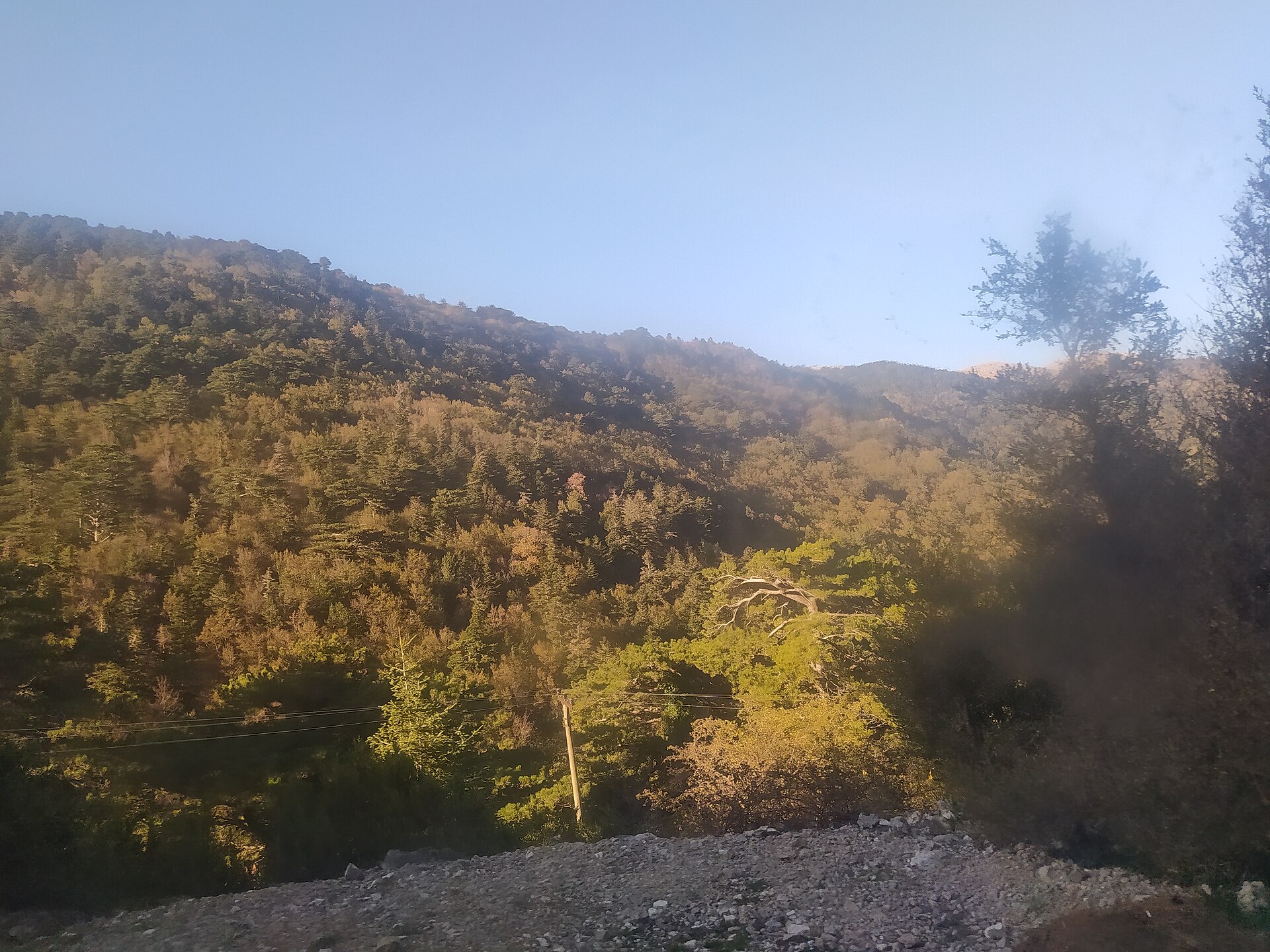
The climb takes about half an hour. The path starts where the last houses thin into olive groves and scrub, the air thick with the scent of wild herbs. Goats graze here sometimes, their bells clinking. At the top, there’s no platform, no signs—just a flat patch of earth and a few stone benches, worn smooth by use.
This hill has always been a lookout. The Illyrians watched for ships from here, then the Byzantines, then the Ottomans. During World War II, Italian and German troops tracked movements below. Now, the military posts are gone, but the height still feels like a perch, a place where the land itself keeps watch.
There’s no tourist infrastructure—just a path beaten into the dirt and benches made from stones hauled up the slope. Sometimes, teenagers strum guitars, or old men play backgammon on a folding table. It feels like a secret spot, not a landmark.
The mountain slows time. Below, Sarandë buzzes—cars, market vendors, music spilling from cafes. Up here, the wind dries the sweat on your skin, and the only sounds are leaves rustling and the occasional murmur of voices. Mornings are cool, the sea still as glass. By midday, the heat presses down, and the shade of an olive tree becomes the best seat in the city. Evenings bring families, the air soft after the day’s heat.
Winter strips the mountain bare. Rain slicks the stones, the wind bites, and the sea churns gray. The city below looks warm, alive. Most locals avoid the climb in bad weather, but those who come find a Sarandë that’s quiet, almost wild.
This isn’t a place for checklists. No guides, no plaques, no stalls selling trinkets. Just the view, the silence, and the weight of a landscape that hasn’t changed in centuries. Bring water. Stay as long as you like. Watch the light shift over the water, or lie in the grass and listen to the hum of the city below.
The path is uneven, especially after rain. Wear sturdy shoes. In summer, the sun is relentless—bring a hat, sunscreen. If you’re with kids, keep them close to the center; the drop is steep, and there are no barriers. Locals will usually call out if they see someone too near the edge.
Mount Likurg doesn’t ask for attention. It doesn’t need to. It’s just there—olive trees, sea, and sky—offering a place to stop, to breathe, to remember why people keep coming back to Sarandë. Not for the beaches or the restaurants, but for this: the space, the quiet, the way the sea feels like it’s always been part of you.