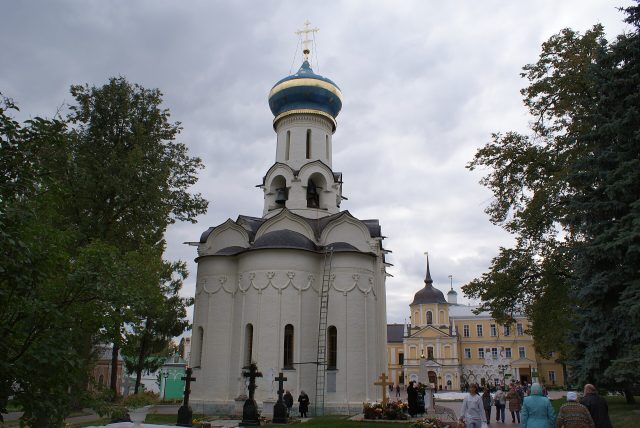
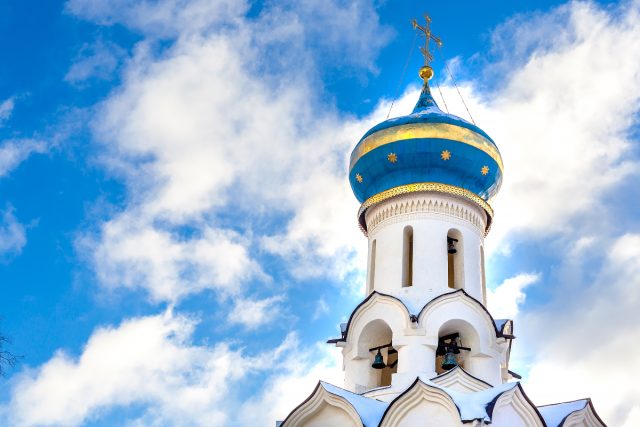
Sergiev Posad has long been called the spiritual heart of Russia, and it’s easy to see why. Just over an hour’s drive from Moscow, the town sits among rolling hills covered in pine forests, its skyline dominated by the golden domes of the Trinity Lavra of St. Sergius. This monastery isn’t just a place of pilgrimage—it’s a living museum where centuries of Russian history, art, and architecture converge in one extraordinary complex. The Sergiev Posad State History and Art Museum-Reserve isn’t merely a collection of artifacts; it’s a place where the past feels alive, breathing through the walls of ancient buildings and the quiet footsteps of visitors.
The museum occupies the grounds of the lavra and its surrounding structures, many of which are architectural landmarks in their own right. Founded in 1920, it was one of the first major museums in Russia established within a monastic complex. Its collection spans over a hundred thousand items—icons, manuscripts, religious artifacts, household objects, paintings, sculptures, and even archaeological finds. But the true value of the museum lies not in the sheer number of exhibits, but in the stories they tell, stories that are deeply woven into the fabric of Russian history.
At the center of it all stands the Trinity Lavra of St. Sergius, founded in the 14th century by St. Sergius of Radonezh. For centuries, the monastery was more than a religious center—it was a hub of culture, education, and even military defense. Monks here copied manuscripts, created masterpieces of icon painting, and taught literacy. During times of turmoil, the lavra’s fortified walls protected Moscow from invasions. The architectural ensemble evolved over time, with each structure adding a new layer to its history. The white-stone walls and towers from the 16th century, the Assumption Cathedral modeled after Moscow’s, the vast refectory chamber, and the towering bell tower—once the tallest in Russia—all stand as testaments to the skill and vision of their builders.
The museum’s exhibits are scattered across different buildings within the lavra, each offering a glimpse into a different facet of the past. In the former royal chambers, visitors can admire a collection of Old Russian paintings, including 15th- to 17th-century icons attributed to Andrei Rublev and his followers. Among them is a copy of Rublev’s famous *Trinity*, the original of which now resides in Moscow’s Tretyakov Gallery. Another building houses a stunning array of ecclesiastical silver and gold—icon covers, chalices, and crosses adorned with intricate enamelwork and precious stones. The collection of manuscripts and early printed books is equally impressive, featuring a 16th-century Gospel commissioned by Ivan the Terrible.
Yet the museum isn’t confined to its exhibition halls. The lavra itself is part of the experience—its courtyards, passageways, and bell towers all tell their own stories. Wandering through the complex, you might stumble upon a small church where layers of later frescoes reveal 15th-century paintings beneath, or climb the walls for a view of the surrounding hills and forests, the same landscape St. Sergius once gazed upon. In warmer months, the grounds buzz with activity—pilgrims, tourists, and locals attending services or simply soaking in the atmosphere. Winter transforms the lavra into something quieter, almost timeless, as snow blankets the domes and the air fills with the sound of church bells.
One of the museum’s most unexpected treasures is the Toy Museum, housed in a historic building on the lavra’s grounds. It traces the history of Russian toys from ancient times to the present day, showcasing everything from clay whistles and wooden dolls to tin soldiers, matryoshka nesting dolls, and rare Soviet-era playthings. The collection isn’t just a curiosity—it reflects how materials, craftsmanship, and even the purpose of toys have evolved over centuries.
Sergiev Posad and its museum-reserve are places where history isn’t just preserved—it’s still unfolding. A visit here can easily stretch into a full day, moving from one hall to the next, from one era to another, with each step revealing something new. This isn’t a museum where exhibits sit silently behind glass. The air hums with the past—the tolling of bells, the scent of incense, the rustle of old book pages, the murmur of guides and pilgrims. Even those who don’t consider themselves history or religion enthusiasts will find the atmosphere impossible to ignore.
The town beyond the lavra’s walls also holds echoes of the past. Sergiev Posad isn’t just a monastery; it’s a place of merchant houses, old market rows where local crafts are still sold, and quiet streets perfect for aimless wandering. The surrounding area offers other points of interest—estates, churches, and smaller museums—but all of them are somehow connected to the lavra. Sergiev Posad isn’t just a dot on the map; it’s a world unto itself, where every detail serves as a reminder of the centuries when this place truly was the heart of Russia.