The Trinity Lavra of St. Sergius is one of those rare places where history isn’t just remembered—it lingers in the air, in the stones beneath your feet, in the quiet rhythm of daily life. Founded in the mid-14th century by St. Sergius of Radonezh, a monk whose influence on Russian spirituality and statehood would be hard to overstate, the monastery began as a humble wooden church deep in the forest. Sergius and his followers sought solitude, but what emerged over the centuries was far more than a retreat. The Lavra became a spiritual heart of Russia, a place where faith, politics, and culture intersected in ways that shaped the nation’s identity.
The monastery’s history is a testament to resilience. It has endured sieges, fires, and invasions, each time rising from ashes with renewed strength. During the Time of Troubles in the early 17th century, the Lavra withstood a brutal 16-month siege by Polish-Lithuanian forces, becoming a symbol of resistance and hope. Later, under Catherine the Great, it was granted the status of a stavropegic monastery, answering directly to the patriarch rather than local bishops—a recognition of its unparalleled significance. For centuries, it was a place of pilgrimage for tsars and peasants alike, a repository of holy relics, and a center of theological thought.
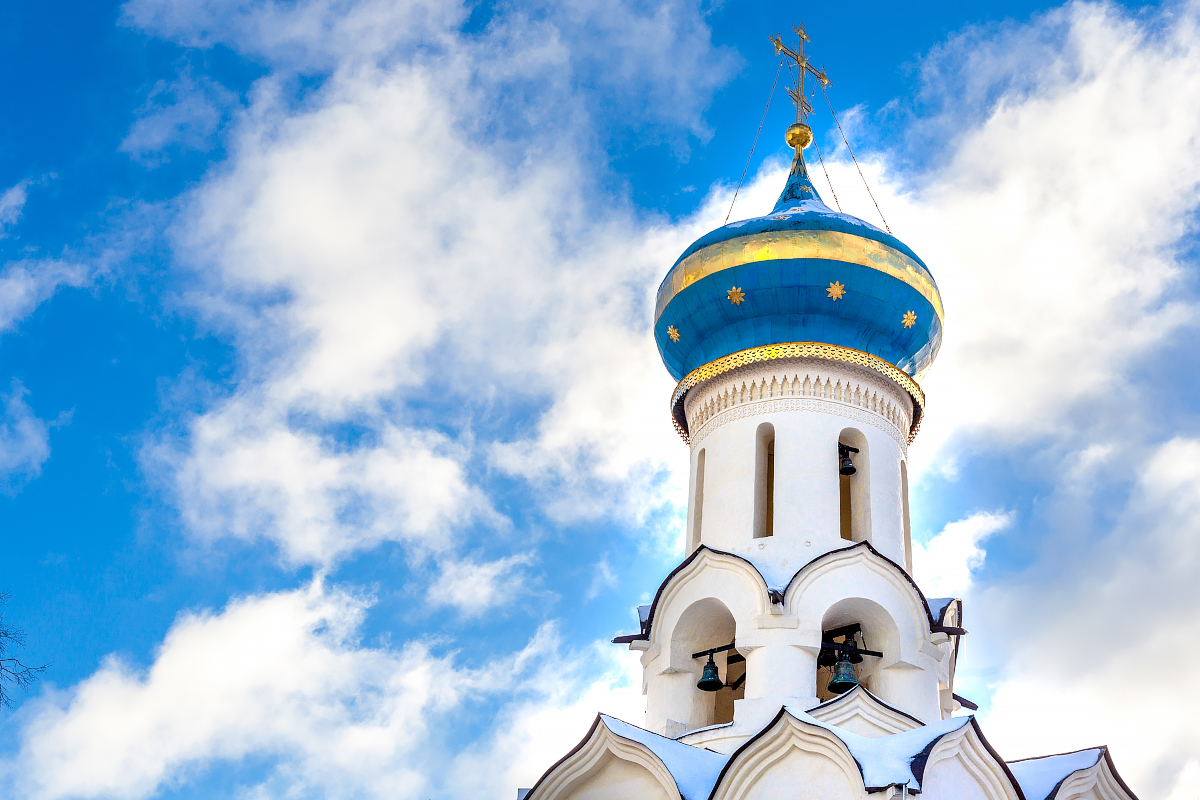
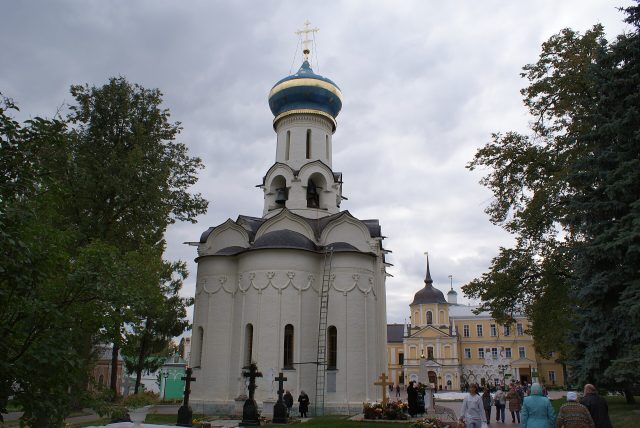
The architectural ensemble of the Lavra is a masterpiece of Russian Orthodox design, evolving over six centuries into a harmonious blend of styles. At its core stands the Trinity Cathedral, built in the 15th century, its white stone walls and golden domes visible from miles away. Inside, the relics of St. Sergius rest in a silver reliquary, drawing pilgrims from across the country. Nearby, the Assumption Cathedral, modeled after its namesake in Moscow, dominates the skyline with its towering presence. Its frescoes, painted by some of Russia’s greatest iconographers, depict biblical scenes with a depth and emotion that still resonate today. The Lavra’s bell tower, one of the tallest in Russia, once served as a beacon for travelers, its chimes carrying for kilometers across the surrounding countryside.
Walking through the monastery’s gates feels like stepping into another era. The cobblestone paths wind past ancient cells, refectories, and museums, each building telling its own story. The sacristy holds treasures that span centuries: vestments worn by metropolitans, illuminated manuscripts, and jewel-encrusted icon covers. The library is a scholar’s dream, housing rare books and documents, some dating back to the 16th century. Among them are royal decrees, patriarchal letters, and even handwritten notes attributed to St. Sergius himself. These artifacts aren’t just relics; they’re tangible connections to the people who shaped Russia’s spiritual and political life.
What makes the Lavra truly unforgettable, though, is its atmosphere. Even those who don’t consider themselves religious often find themselves moved by the quiet solemnity of the place. The scent of incense, the flicker of candlelight, the hushed voices of pilgrims—it all creates a sense of timelessness. In summer, the courtyards buzz with activity as visitors arrive from all corners of the country. In winter, the monastery takes on a different kind of beauty, its ancient walls dusted with snow, the silence broken only by the distant tolling of bells.
The Lavra isn’t just a museum; it’s a living monastery where services are held daily, monks pray in the chapels, and pilgrims come to seek blessings. Visitors are welcome to attend liturgies, venerate the relics, or simply sit in one of the quiet corners, watching the rhythms of monastic life unfold. The night services are particularly striking, with candlelight reflecting off the gilded domes and the choir’s voices filling the cathedral with a sound that feels both ancient and eternal.
Beyond the monastery walls, the town of Sergiyev Posad offers its own charms. The nearby Gethsemane Skete, with its secluded cells and serene ponds, provides a glimpse into the more contemplative side of monastic life. The town itself, which grew up around the Lavra, retains a distinctly 19th-century feel, with its merchant houses and old trading rows. For centuries, artisans and traders lived here, supplying the monastery and catering to the needs of pilgrims. Today, the connection between town and monastery remains strong, a reminder of how deeply the Lavra has shaped the region.
There’s a reason people return to the Trinity Lavra of St. Sergius again and again. It’s a place that doesn’t change, where the weight of history feels both overwhelming and comforting. Whether you come as a pilgrim, a tourist, or simply a traveler in search of something deeper, the Lavra has a way of leaving its mark. It’s not just about seeing the sights—it’s about experiencing a place where the past and present coexist in quiet harmony. In a world that moves too fast, the Lavra offers a rare chance to slow down, to reflect, or simply to stand in awe of something greater than yourself.