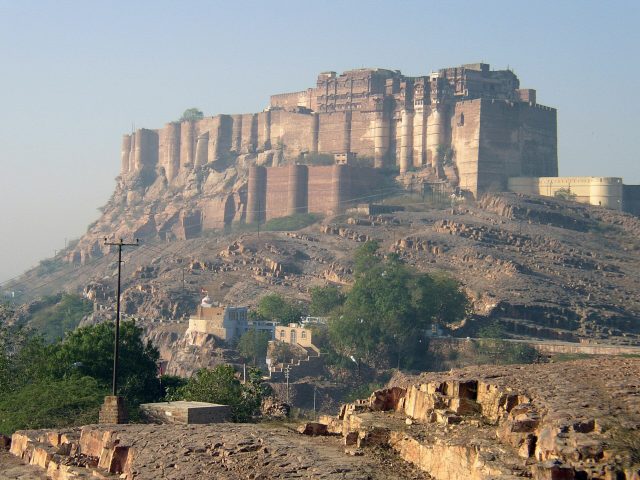
Maharani Garden in Jodhpur is one of those rare places where the past lingers in the air, untouched by the rush of modern life. Tucked away in the heart of the Blue City, not far from the imposing Mehrangarh Fort, it was once a private retreat for the royal family of Marwar. Today, it offers a quiet glimpse into how the rulers of this arid region once sought refuge from the desert heat, where every patch of green was as precious as gold.
The garden’s origins trace back to the mid-19th century, when Maharaja Takht Singh commissioned it as a sanctuary for his queen. In those days, Jodhpur was surrounded by the vast Thar Desert, and water was a luxury few could afford. Engineers and gardeners worked meticulously to channel water through a network of canals, creating an oasis where fruit trees, flowering plants, and shaded pathways could thrive. At its center stands a small pavilion, a simple yet elegant structure where the royal family could escape the scorching sun.
Unlike the grand palaces and temples of Rajasthan, Maharani Garden is understated in its design, favoring harmony with nature over opulence. Stone walls draped in creeping vines shield the space from the desert winds, while narrow paths wind through shaded corners where royalty once rested. The best time to visit is early morning or late afternoon, when the sun casts a golden glow over the walls and the air is filled with the scent of blooming trees.
Though modest in size, the garden is thoughtfully laid out. Terraced levels connected by stone steps and small bridges lead to tranquil pools, which not only add to the beauty but also help cool the air. The water remains clear and refreshing, attracting birds that come to drink—a small but telling detail of how life persists in this dry landscape. During the hottest months, the garden offers a welcome respite, its temperatures noticeably cooler than the bustling streets outside.
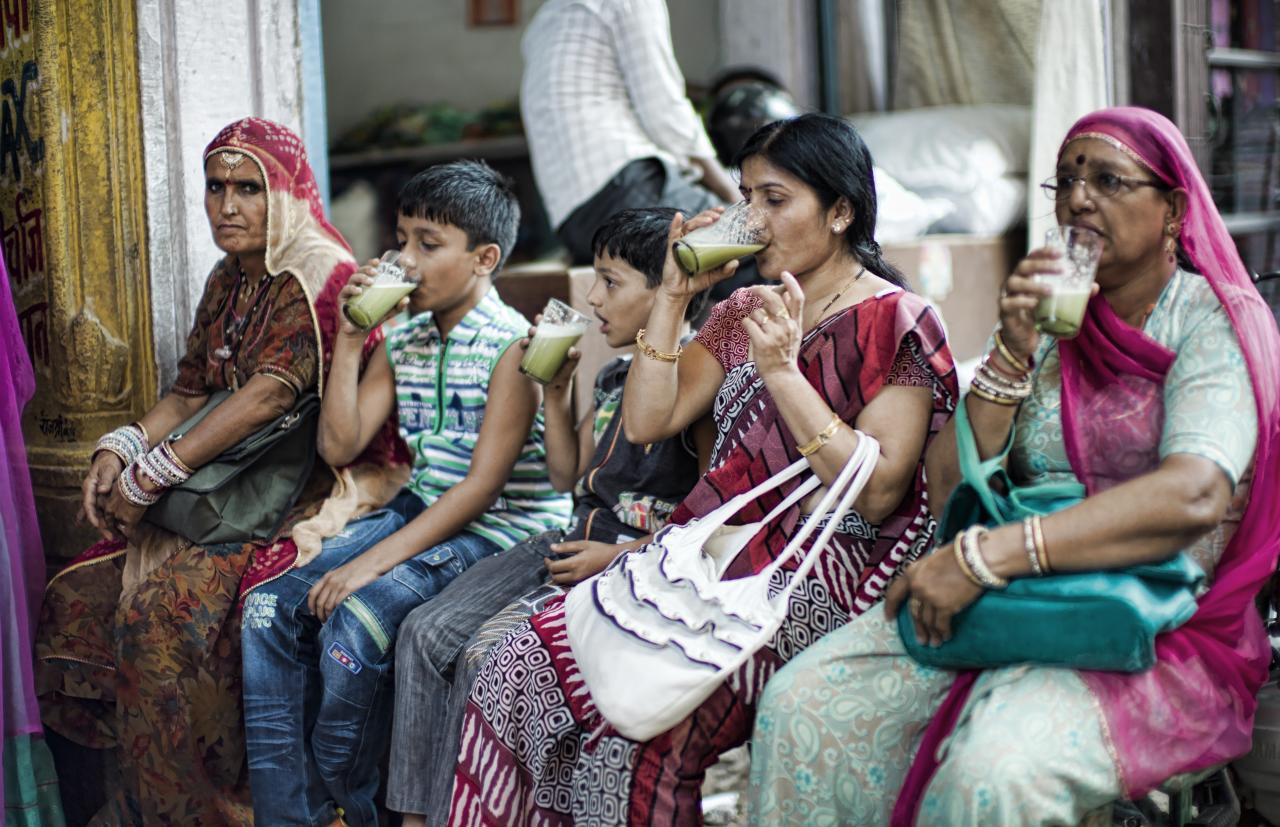
For the people of Jodhpur, Maharani Garden is more than just a historical site; it’s a living piece of their heritage. Traditional festivals and ceremonies are still held here, and locals often visit to unwind, far from the crowds that flock to the city’s more famous attractions. The garden’s quiet atmosphere makes it an ideal place for a leisurely stroll, where one can imagine the rustle of silk saris and the laughter of royal children playing among the bushes.
Over the years, the garden has evolved subtly—new plants have taken root, and old trees have grown taller—but its essence remains unchanged. It’s a place where time moves at its own pace, where the past feels almost tangible. Even as modern buildings rise around it, the garden retains its serenity, a small but enduring reminder of Jodhpur’s royal legacy.
If you find yourself in Jodhpur, resist the urge to rush straight to Mehrangarh Fort or the lively bazaars. Instead, take a detour to Maharani Garden, even if just for an hour. There are no crowds here, no pushy guides, just the quiet rustle of leaves and the soft whisper of history. It’s the kind of place that doesn’t demand attention but leaves a lasting impression, a hidden corner where the soul of old Rajasthan still breathes.