Jodhpur
India · 6 places
Photo: Vyacheslav Argenberg, CC BY 4.0
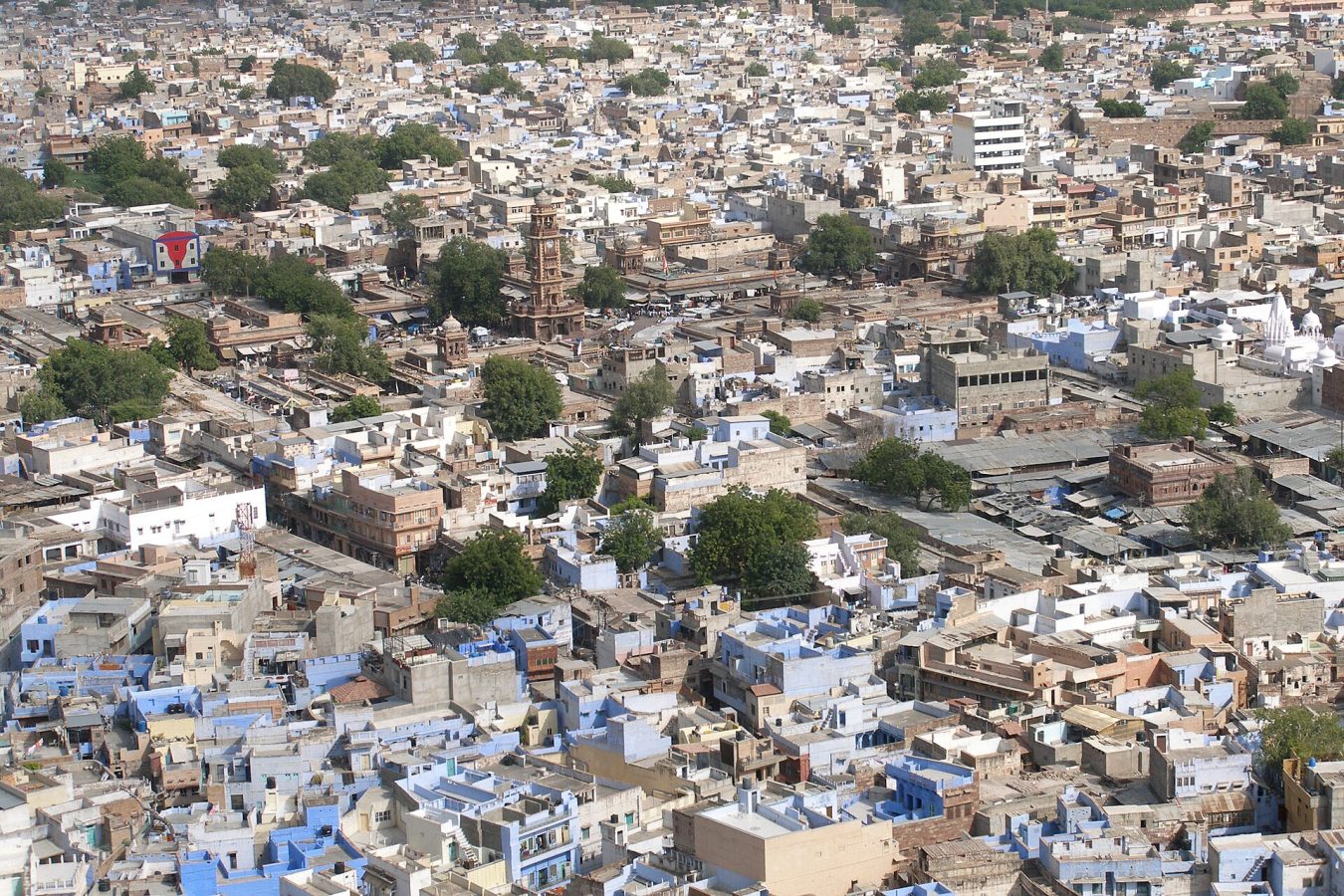
Jodhpur is called the Blue City, and the name fits perfectly. Wander through its narrow lanes, and you’ll see why—house after house painted in shades of blue, from pale sky to deep indigo. Some say the color keeps homes cool and insects away, but the real magic is in the way it transforms the streets into something out of a storybook. The city sprawls at the foot of a rocky hill, crowned by the imposing Mehrangarh Fort, one of Rajasthan’s most striking landmarks. Its towering red sandstone walls rise nearly 120 meters above the ground, offering sweeping views of the city and the desert beyond.
Founded in the 15th century by Rao Jodha, a Rajput ruler, Jodhpur was once the capital of the Marwar kingdom. Today, it’s Rajasthan’s second-largest city, a place where the past and present coexist effortlessly. History lingers in every corner—ancient palaces, bustling bazaars, and temples where time seems to stand still. The Sardar Market, nestled at the base of the fort, is a sensory overload in the best way. Narrow alleys teem with shops selling spices, textiles, and silver jewelry, just as they have for centuries. The air is thick with the scent of street food, the clatter of bangles, and the shouts of vendors. Here, you can haggle for embroidered fabrics, try on handmade juttis, or sample local sweets like mirchi—spiced chickpea flour balls that melt in your mouth.
Mehrangarh Fort is the soul of Jodhpur, a monumental structure that dominates the skyline. Inside its massive walls lie palaces, museums, and gardens, each with its own tale to tell. The Moti Mahal, or Pearl Palace, is particularly breathtaking, with its mirrored ceilings and intricately carved windows that filter sunlight into soft, golden hues. The fort’s museum houses an impressive collection of artifacts—weapons, paintings, and royal palanquins—that offer a glimpse into the opulent lives of Marwar’s rulers. As evening falls, the fort is bathed in warm light, its walls glowing against the twilight like embers, a sight that stays with you long after you’ve left.
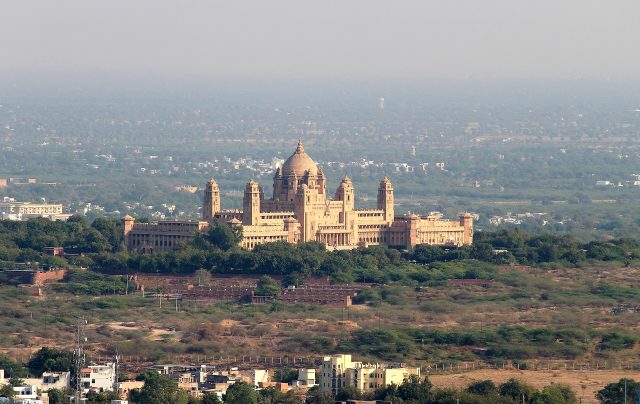
Not far from Mehrangarh stands Umaid Bhawan Palace, a masterpiece of early 20th-century architecture. One of the world’s largest private residences, part of it still belongs to the descendants of Jodhpur’s maharajas. The palace blends Rajasthani and European styles, its interiors a dazzling mix of marble floors, crystal chandeliers, and antique furnishings. Today, it’s home to a museum and a luxury hotel, where guests can experience the grandeur of royal living. The palace grounds, with their manicured gardens and fountains, are perfect for a quiet stroll, a world away from the city’s hustle.
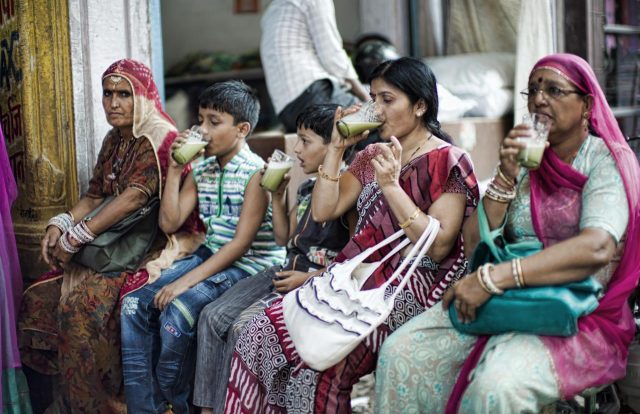
But Jodhpur is more than just its monuments—it’s a city alive with culture and tradition. Festivals here are celebrated with fervor, from the Marwar Festival, a vibrant showcase of Rajasthani music and dance, to Gangaur, when the streets come alive with processions of decorated idols. The city’s cuisine is just as rich, with fiery curries, freshly baked rotis, and the famous makhani lassi, a creamy yogurt drink spiced with cardamom and rosewater. The real charm of Jodhpur lies in its labyrinthine alleys, where every turn reveals something new—a hidden temple, a spice shop, a chai stall. Time moves slowly here, as if inviting you to pause, breathe in the scent of cumin and sandalwood, and lose yourself in the rhythm of a city that has seen centuries unfold.
See & Do
All of them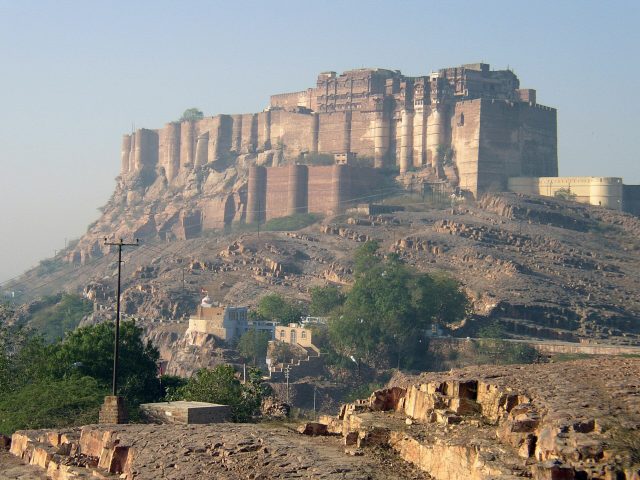
Places on the map
Marker colour follows the categoryClimate and weather
Detailed weather: Jodhpur- Average temperature
- 27 °C
- Precipitation per year
- 471 mm
Average air temperature
°C
17
21
26
32
35
34
31
30
30
28
23
18
Jan
Feb
Mar
Apr
May
Jun
Jul
Aug
Sep
Oct
Nov
Dec


