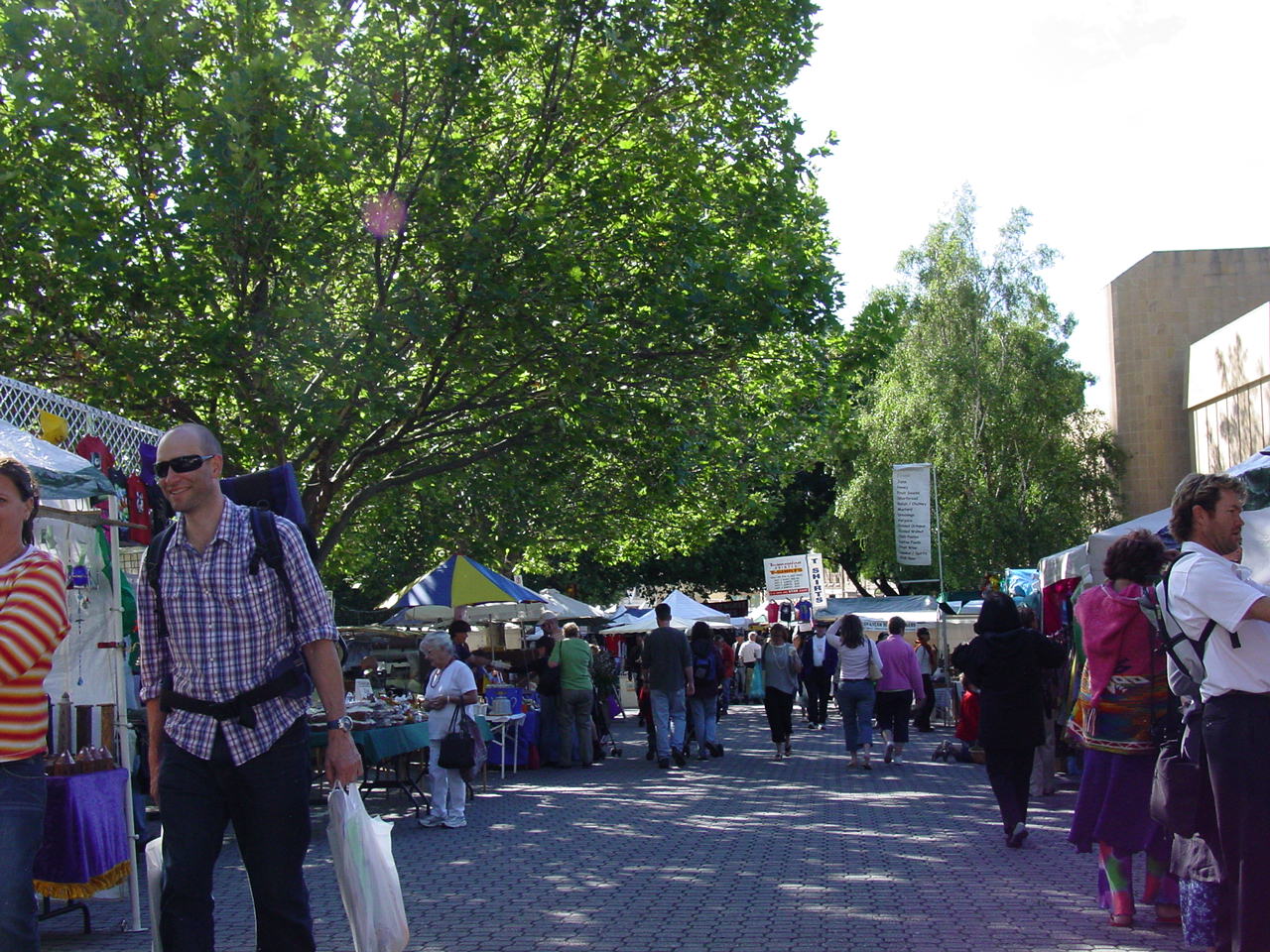
Salamanca Market in Hobart is where time slows. Not for the things you buy, but for the way it feels. On Saturday mornings, the waterfront hums with conversation, coffee, and the occasional guitar. For a few hours, the city drops its reserve and takes on the ease of a European square—without pretending to be one. It’s where history, craftsmanship, and community meet.
The market spreads along Salamanca Place, a street lined with sandstone warehouses from the 1800s. Built when Hobart was a young colonial port, these buildings stored goods arriving from Britain. Their golden stone still holds the warmth of the local quarry. Now, the warehouses hold galleries, cafés, and studios, but their thick walls remember when Tasmania was just an outpost.
The market started in 1972. A few artisans wanted a place to sell their work directly. It grew into one of Hobart’s favorite spots, but it never lost its original feel. You won’t find mass-produced trinkets here. Instead, there’s pottery shaped by hand, scarves from Tasmanian sheep, jewellery with local stones, and paintings of the island’s wild landscapes. Even the food stalls offer something personal—honey from backyard hives, small-batch cheeses, preserves from nearby orchards. Each stall has a story.
What sets Salamanca Market apart? The way people talk. You might learn how a piece of jewellery was made or why a cheese tastes the way it does. Locals come for the company as much as the shopping, lingering over coffee or sitting on benches with a book. Tourists often stay longer than they planned. Dogs walk beside their owners, children weave between stalls, and the air carries the kind of chatter that makes a place feel real.
The market only runs on Saturdays, from early morning until midday. By noon, the crowds thin, and those left often move to a café for wine or tea. The rest of the week, Salamanca Place stays lively with galleries and restaurants. But Saturdays are different. The light is softer, the air cooler, and the scent of bread and herbs lingers.
Salamanca Market shows Tasmania’s connection to its land. Many goods come from local materials—wool from island sheep, timber from native forests, stones from the earth. The food does too: honey from Tasmanian bees, olive oil from the island’s groves, seafood from the Southern Ocean. It’s not just shopping. It’s a way of celebrating the place.
Hobart was once a working port. In the 1800s, Salamanca Place buzzed with ships unloading cargo and merchants making deals. Today, the warehouses are quieter, but the past isn’t gone. You can still see old pulleys in the sandstone and faded signs of old trading companies. Hobart wasn’t just a colonial backwater. It was part of a global trade network.
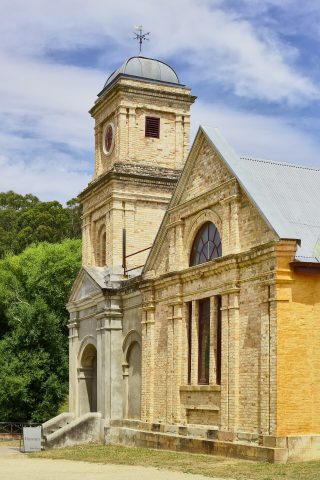
The sandstone warehouses are some of Australia’s best examples of colonial architecture. Their arched doorways and tall windows stand out. Inside, many still have exposed beams, flagstone floors, and fireplaces. Now, they hold galleries and boutiques. Walking through them, you can almost hear the sounds of their past lives.
Don’t come to Salamanca Market with a list. What you take home isn’t the point. It’s about touching Tasmania’s history, meeting the people who shape it, and understanding why the island stays with you. There’s no rush, no forced smiles. Just artisans who care about what they do, and a corner of Hobart that feels like home.