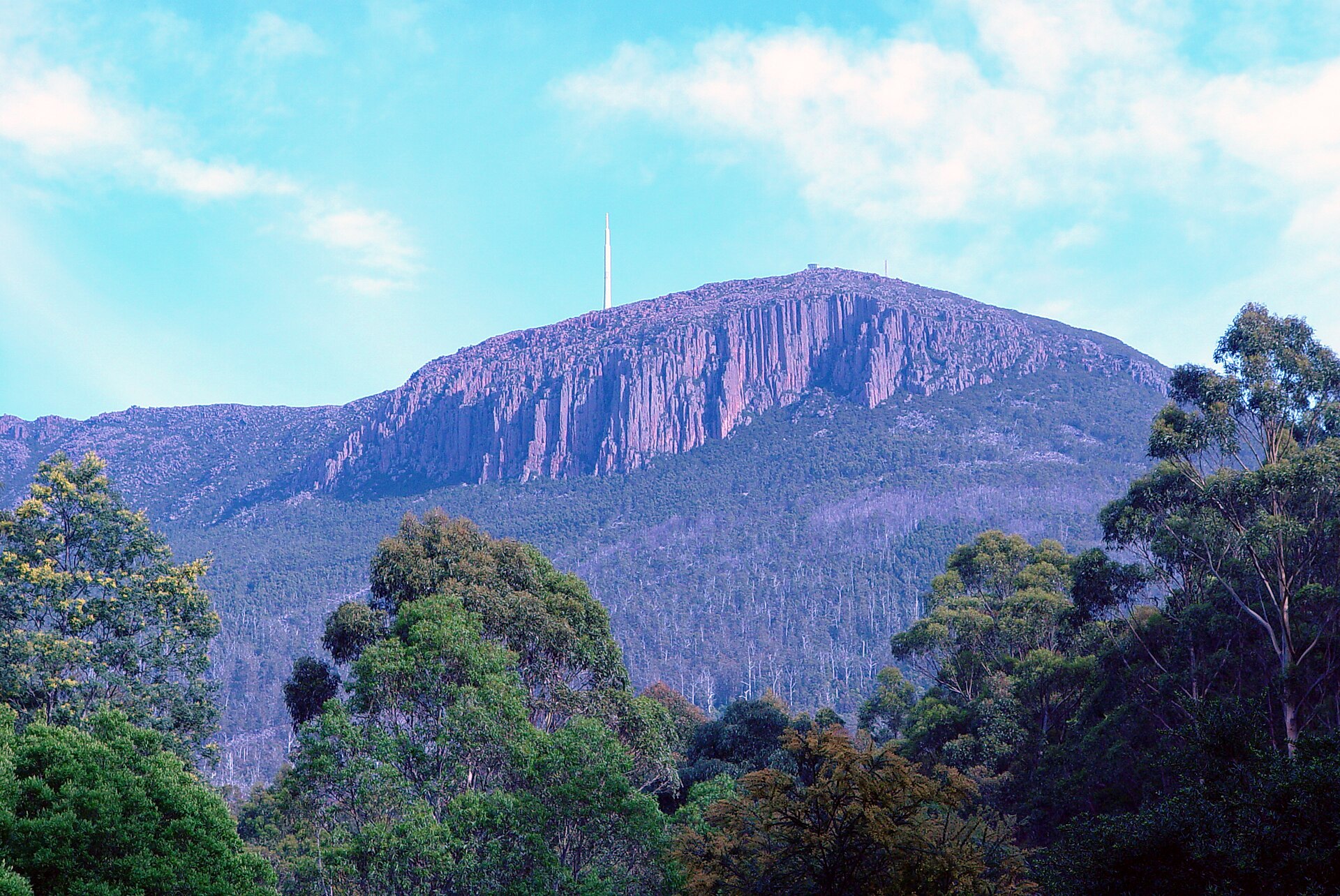
Mount Wellington stands over Hobart like a quiet sentinel, its peak often lost in the clouds. The mountain begins almost at the city’s edge, and within minutes of leaving the suburbs, the road twists upward, trading pavement for forest. The air grows cooler, the sounds of the city fading into the rustle of leaves and the occasional call of a bird.
Locals simply call it the mountain, though its official name honors the Duke of Wellington, the British general who defeated Napoleon at Waterloo. For Tasmanians, it’s more than just a landmark. It’s a place where the city meets the wild, where you can find solitude, sweeping views, or a moment of quiet without ever leaving town.
Long before European settlers arrived, the mountain was part of the living landscape for the palawa people, the island’s Indigenous inhabitants. They saw it as a sacred place, woven into stories and traditions that connected them to the land. When the first colonists reached Hobart in the early 1800s, they recognized the mountain’s strategic value. From its summit, they could watch over the harbor and the surrounding countryside, keeping an eye on the approaches to the fledgling settlement. Later, weather stations were built here, and by the mid-20th century, the road to the top had become one of Tasmania’s most popular drives.
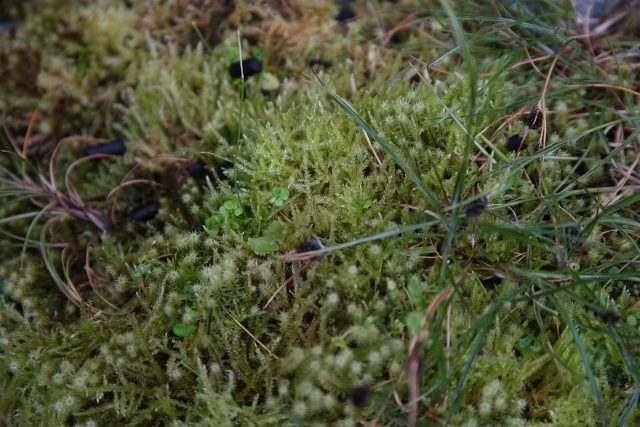
The climb up Mount Wellington is like moving through different worlds. The lower slopes are thick with eucalyptus forest, home to wallabies, possums, and, if you’re lucky, a Tasmanian devil. As you ascend, the trees thin out, giving way to shrubs and rocky outcrops. Around a thousand meters up, the landscape shifts again, to alpine meadows that bloom with wildflowers in summer and lie under snow in winter. The summit itself is a realm of wind and stone, where even on a clear day, gusts can knock you off balance.
From the top, the view stretches across Hobart, the Derwent River, and the distant ranges beyond. On a clear evening, the city lights reflect in the water, and the stars above feel close enough to touch. But the weather here is unpredictable. One moment, the sun is shining; the next, the peak is swallowed by fog, visibility dropping to just a few meters. It’s not uncommon to experience all four seasons in a single day.
There are dozens of walking trails crisscrossing the mountain, from gentle paths through the forest to more challenging routes along the ridges. One of the most popular leads to Strickland Falls, where water tumbles down a narrow gorge. For those with more experience, there are old mining tracks from the 19th-century gold rush, though many of the abandoned shafts are unsafe to explore.
In winter, the mountain transforms. Snow doesn’t fall every year, but when it does, the summit becomes a playground for sledding and makeshift skiing. There are no lifts or groomed runs—just the raw, untouched slopes and the thrill of carving fresh tracks. Even if you’re not into winter sports, a walk through the snow-covered trails is magical, the silence broken only by the crunch of boots on frozen ground.
What makes Mount Wellington special is its wildness, even so close to the city. Unlike other famous peaks in Australia, it doesn’t feel overrun with tourists. You can find a quiet spot even in the busiest season, a place to sit and watch the clouds drift over the valley below. Maybe that’s why locals keep coming back—it’s an escape without the need to go far, a reminder of something bigger than the daily grind.
But the mountain isn’t without its challenges. In recent years, debates have grown over how to protect its fragile ecosystems while keeping it accessible. The road to the summit struggles with traffic on weekends, and erosion is starting to show on the most popular trails. Authorities are trying to find a balance, ensuring that Mount Wellington remains a place where people can connect with nature without loving it to death. For now, it’s still open to everyone, still the place where Hobart’s residents go to breathe, to look out over the world, and to feel, just for a moment, a little freer.