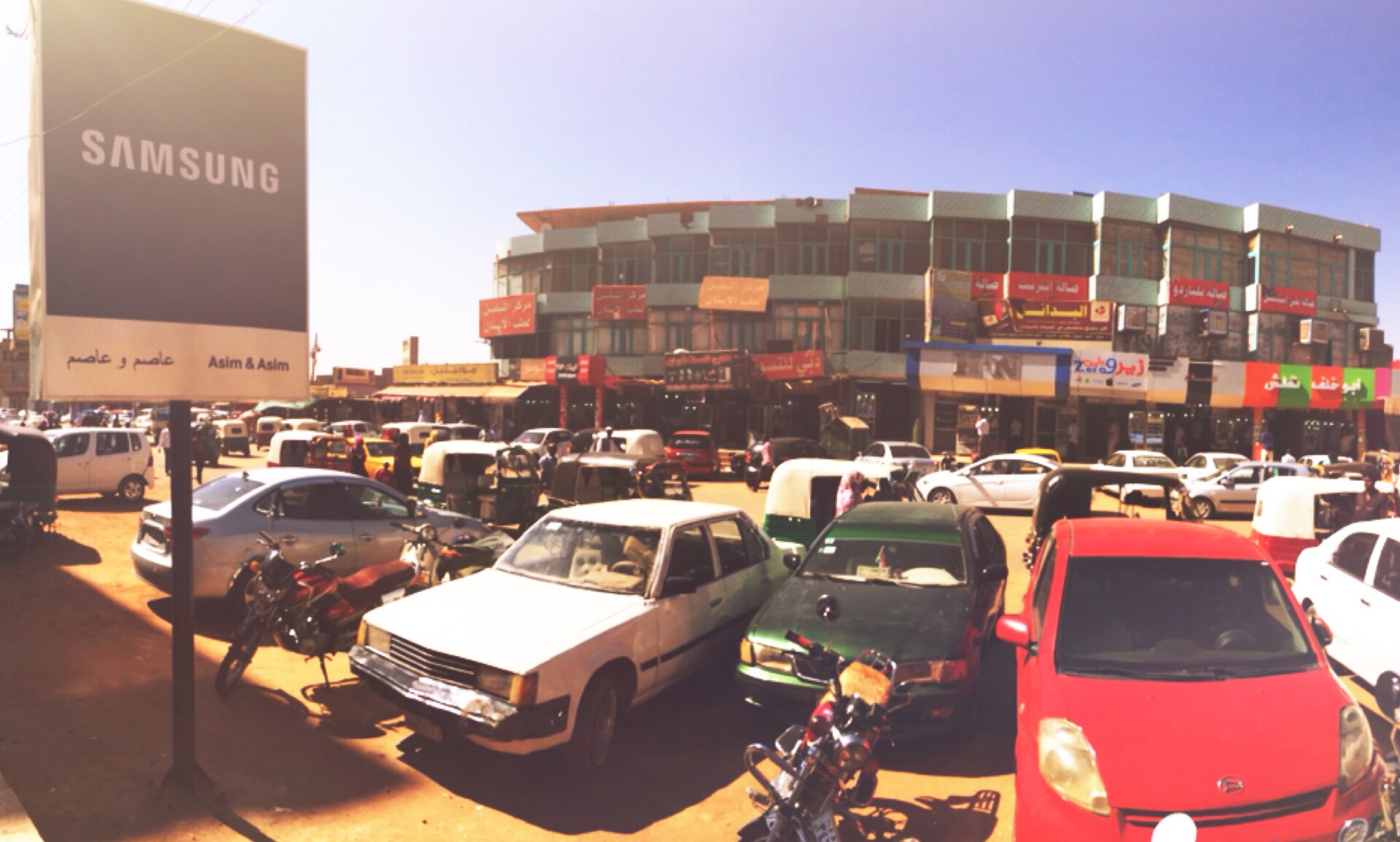
Omdurman Market sprawls across a labyrinth of stalls, alleys, and open-air spaces. It has been the city’s commercial core for generations. Unlike souks in North Africa or bazaars in the Middle East, this market feels lived-in, shaped by daily use rather than tourism. Trade here moves to a rhythm as old as the city, and the air carries the scent of spices, dust, and the Nile’s river water.
The market began in the late 19th century, when Omdurman was a small settlement on the Nile’s western bank, overshadowed by Khartoum. After the Mahdist War, the city became the capital of the Mahdist State and a symbol of resistance against colonial rule. The market grew with it, absorbing the energy of a place that had suddenly become Sudan’s political and cultural center. Even after the Mahdist regime fell and power shifted back to Khartoum, Omdurman kept its significance, and the market remained its commercial soul.
Walking through Omdurman Market feels like stepping into another era. The architecture mixes traditional Sudanese styles with practical improvisation—low buildings with flat roofs, some of mud brick, others of concrete, all weathered by sun and rain. The alleys twist without logic, as if the market grew on its own. Stalls spill into the streets: dried hibiscus stacked in pyramids, sacks of sorghum, handwoven baskets, and bolts of brightly colored fabric. There’s no grand entrance or central square, just a slow immersion into commerce.
This market doesn’t cater to tourists. You won’t find postcards or trinkets with "Welcome to Sudan" printed on them. Instead, locals come here for everything from fresh vegetables to household goods. Women haggle over okra while men sip sweet tea under makeshift awnings. Vendors know their customers by name, and transactions often lead to conversations—about politics, a joke, or an invitation to share a meal.
The market showcases Sudanese craftsmanship. In one corner, stalls sell silver jewelry blending Arab and African designs. Nearby, artisans hammer out brass trays and coffee pots using techniques passed down through generations. Leatherwork stands out—hand-stitched sandals, belts, and bags made from locally sourced hides, often dyed in deep reds and browns. Even woven palm leaf baskets, used for carrying goods, reflect skill and resourcefulness.
Food here isn’t about fancy restaurants or food tours. Small eateries and street vendors serve dishes that have been part of Sudanese cuisine for centuries. Ful medames—slow-cooked fava beans with garlic and lemon—is a staple, eaten with fresh bread. Kisra, a thin sorghum flatbread, pairs with stews rich in okra or meat. For something less familiar, try shaiyah, a spiced tea that’s as much a social ritual as a drink, or kunafa, a sweet pastry sold in the late afternoon.
The market changes with the day.
Early mornings bring farmers and traders from the countryside to sell produce before the heat arrives. By midday, the pace slows as people retreat to the shade. Late afternoons buzz with conversation and the clatter of tea glasses. As evening falls, electric lights flicker on, casting a warm glow over the stalls. The air fills with bargaining and laughter.
Omdurman Market is more than a place to buy and sell. It’s where the city’s history lives in daily interactions, not museums or monuments. The market has seen wars, political upheavals, and economic shifts, yet it endures. For outsiders, it offers a glimpse into Sudanese life—unfiltered, unpolished, and human.
If you visit, don’t expect order. The market doesn’t work that way. Get lost in the stalls, follow the scent of spices, or talk to a vendor. You might leave with a handwoven basket or hibiscus tea, but the real takeaway will be the memory of a place that feels untouched by time.