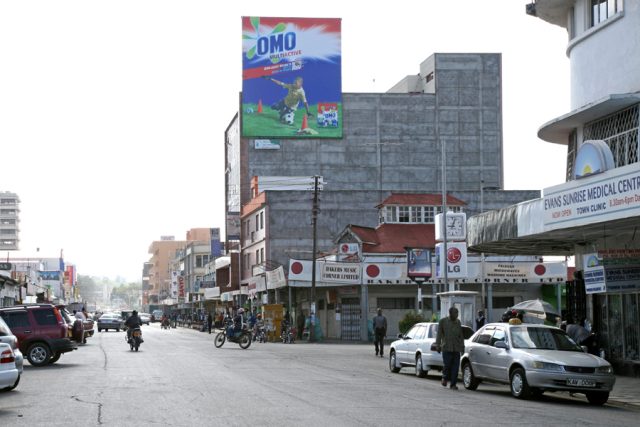
Lake Nakuru is a place that often slips under the radar for travelers, more famous for its national park and flamingos than for the town itself. Yet within its modest boundaries lies a market that pulses with the raw, unfiltered energy of everyday Kenyan life. This isn’t a polished attraction designed for tourists—it’s a living, breathing organism where commerce, culture, and community intertwine in ways that feel both ancient and immediate.
The market sprawls across several blocks in the heart of Nakuru, its edges blurring into the surrounding streets. There are no neat rows or designated sections here; instead, stalls spill onto sidewalks, occupy repurposed buildings, and cluster under makeshift awnings. The air hums with the sounds of bargaining, the clatter of metal bowls, and the rhythmic calls of vendors hawking everything from fresh produce to secondhand electronics. The scent is just as layered—earthy spices mingling with the smoky tang of grilled meat, the sweetness of ripe mangoes, and the sharp bite of diesel fumes from passing matatus. It’s sensory overload, but in the best possible way.
What makes Nakuru’s market special is its authenticity. This is where locals shop, not where they perform for visitors. The rhythm of trade follows its own logic: prices aren’t fixed, negotiations are expected, and a deal isn’t complete until both parties are satisfied. For outsiders, it can feel chaotic, even overwhelming. There are no signs in English, no neatly printed price tags, no orderly queues. But that’s part of the charm. Here, commerce is personal. Vendors remember their regular customers, sometimes extending credit or setting aside the best cuts of meat. It’s a far cry from the impersonal efficiency of supermarkets, and that’s precisely why it feels so alive.
The market’s roots stretch back to Nakuru’s early days as a trading post, a stopover for caravans moving between the interior and Lake Victoria. As the town grew, so did the market, evolving into one of the region’s largest hubs for trade. Today, it draws not just city residents but farmers from nearby villages, wholesalers from Nairobi, and artisans from across Kenya. You’ll find handwoven baskets with uneven stitches, wooden masks carved from local timber, and beaded jewelry that tells stories of tradition. These aren’t mass-produced souvenirs; they’re crafted with skill and patience, each piece carrying the marks of its maker.
The architecture is purely functional. Most structures are simple metal frames with corrugated iron roofs, offering shade from the sun and shelter from sudden downpours. Inside, the spaces are cramped, with narrow aisles barely wide enough for two people to pass. Light filters in through gaps in the walls or open doorways, casting long shadows over piles of fabric, stacks of shoes, and heaps of produce. The streets between the stalls are just as crowded, filled with shoppers balancing baskets on their heads, children darting between legs, and the occasional stray goat wandering through.
Food is at the heart of the market’s appeal. The produce section is a riot of color—mounds of avocados, pyramids of oranges, and piles of leafy greens whose names might be unfamiliar to outsiders. Farmers arrive before dawn, unloading their harvests onto wooden tables, and by midday, the best items are already gone. The meat section is equally bustling, with butchers carving up beef and goat right in front of customers. The smell of sizzling nyama choma—grilled meat—drifts through the air, drawing hungry shoppers to makeshift grills where skewers cook over open flames.
Beyond commerce, the market is a social hub. Friends meet here to catch up over cups of milky chai, neighbors gossip while waiting in line, and families gather to stock up on supplies. For many in Nakuru, a trip to the market isn’t just about buying groceries—it’s a daily ritual, a chance to connect with the community. The pace is unhurried, even when the crowds are thick. People linger, chat, and soak in the atmosphere, turning what could be a mundane errand into something richer.
For travelers, the market offers a glimpse into Kenyan life that’s hard to find elsewhere. There’s no script here, no curated experience—just the messy, vibrant reality of a place where people work, trade, and live. It’s not always comfortable. The heat can be oppressive, the crowds overwhelming, and the lack of structure disorienting. But those who take the time to wander, to watch, and to engage will find something far more rewarding than a typical tourist stop. You might leave with a handmade bracelet or a bag of fresh passionfruit, but the real souvenir is the memory of a place that refuses to be tamed.
The market doesn’t slow down until well after dark. Even as the sun sets, the glow of bare bulbs keeps the stalls illuminated, and the sound of haggling lingers in the air. On weekends, it’s even livelier, with farmers bringing in extra stock and families turning their shopping trips into outings. The energy shifts as the day wears on—mornings are for serious buyers, afternoons for casual browsers, and evenings for those picking up last-minute supplies. Yet no matter the hour, the market retains its rhythm, a constant heartbeat at the center of Nakuru’s life.
This is a place where time moves differently. There’s no rush, no urgency—just the steady ebb and flow of people going about their day. It’s not glamorous, and it’s certainly not polished, but that’s what makes it real. For those willing to step off the beaten path, Nakuru’s market isn’t just a stop on a journey; it’s a window into the soul of Kenya, one that stays with you long after you’ve left.