Lake Nakuru
Kenya · 4 places
Photo: Jasper1976 at Dutch Wikipedia, CC BY-SA 3.0
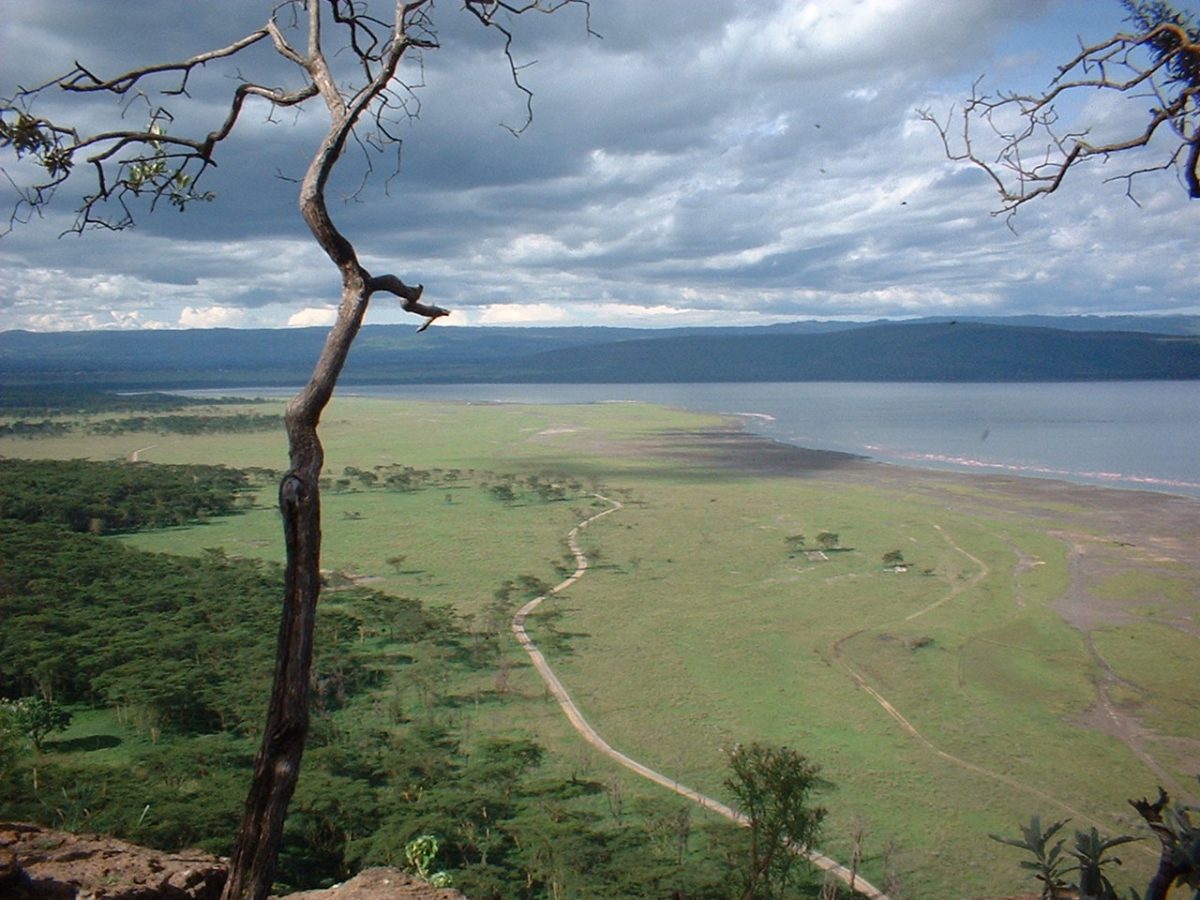
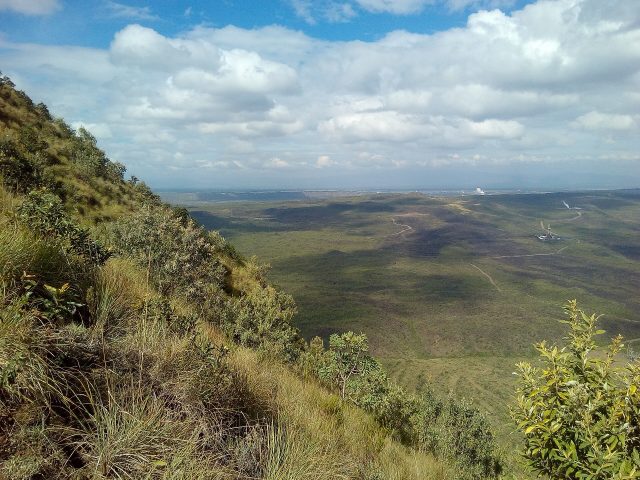
Nakuru is the kind of place that doesn’t try to impress you—it just is. Tucked into the heart of Kenya’s Rift Valley, nearly two thousand meters above sea level, the city sits where the air stays crisp even at midday, and the landscape rolls out in gentle hills of savanna and scattered woodland. There are no skyscrapers here, no tourist traps, no polished facades. Instead, Nakuru offers something rarer: a slice of East Africa as it’s actually lived, not as it’s packaged for visitors. And just beyond the city limits, one of the country’s most famous lakes waits, drawing travelers for a reason that has nothing to do with man-made attractions.
Lake Nakuru is the obvious draw, and for good reason. At certain times of the year, its shores turn pink with flamingos—thousands, sometimes millions of them, wading in the shallows or taking flight in a blur of color. But the lake is more than just a postcard scene. The national park that surrounds it is home to rhinos, giraffes, buffalo, and, if you’re lucky, a leopard or two. Unlike the crowded safaris of the Maasai Mara, here the wildlife feels wilder, less accustomed to human eyes. The park is compact enough that you can explore it in a day, yet vast enough to feel like you’ve stepped into a world where nature still sets the rules.
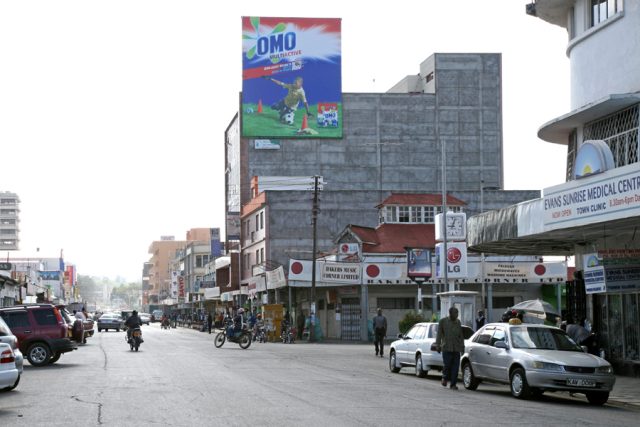
The city itself moves at its own unhurried pace. Motorbike taxis weave through streets lined with fruit stalls and spice vendors, while in the evenings, locals gather in the central square to chat under the shade of acacia trees. Nakuru isn’t a capital or a resort town, and that’s precisely why it appeals to those who’ve grown tired of the usual tourist circuits. There are no luxury hotels, just small guesthouses and family-run cafés where the food is simple, spicy, and unmistakably Kenyan—no frills, just flavor. The markets overflow with fresh produce, handmade crafts, and the kind of everyday energy that makes a place feel alive.
Beyond the city, the landscape shifts to endless tea plantations and small farms stretching toward the horizon. A short drive takes you to places where life hasn’t changed much in generations: communities tending crops, herders moving cattle, or the occasional Maasai village where traditions are still woven into daily routines. Nearby, Thomson’s Falls tumbles into a misty gorge, while the Makutano Caves offer a quiet glimpse into the region’s geological past. These aren’t the kind of attractions that make it into glossy brochures, but they’re the ones that linger in memory—less about spectacle, more about connection.
What makes Nakuru special isn’t grand monuments or Instagram-worthy backdrops. It’s the absence of those things. There are no crowds jostling for the perfect shot, no vendors hawking overpriced souvenirs, no pressure to perform the role of a tourist. Instead, there’s space to simply be: to watch flamingos rise from the lake at dawn, to wander through a market without an agenda, to listen to the stories of people who call this place home. Nakuru doesn’t pretend to be anything other than what it is—a modest, welcoming city that offers a quieter, more authentic side of Kenya. And for those willing to slow down, that’s more than enough.
See & Do
4 places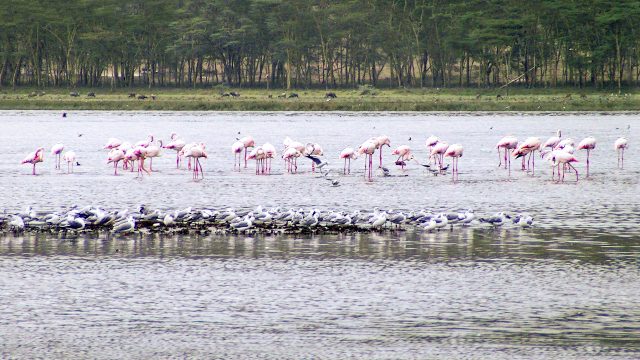
Places on the map
Marker colour follows the categoryClimate and weather
Detailed weather: Lake Nakuru- Average temperature
- 19 °C
- Precipitation per year
- 1014 mm
Average air temperature
°C
20
21
21
19
19
18
18
18
18
19
19
19
Jan
Feb
Mar
Apr
May
Jun
Jul
Aug
Sep
Oct
Nov
Dec