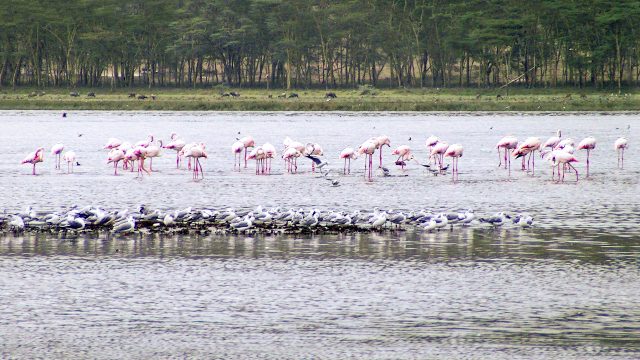
Lake Nakuru National Park is one of those rare places where nature seems to have gathered its most vivid wonders into a single, breathtaking landscape. Nestled in the heart of Kenya’s Great Rift Valley, the park centers around a shallow, alkaline lake whose shores shimmer with an otherworldly pink hue. This isn’t a trick of the light or a fleeting illusion—it’s the work of millions of flamingos, their feathers blending into a living tapestry of soft rose and crimson as they gather along the water’s edge. The sight is most striking at dawn or dusk, when the birds are most active and the sun casts a golden glow over the scene, turning the lake into a mirror of shifting colors.
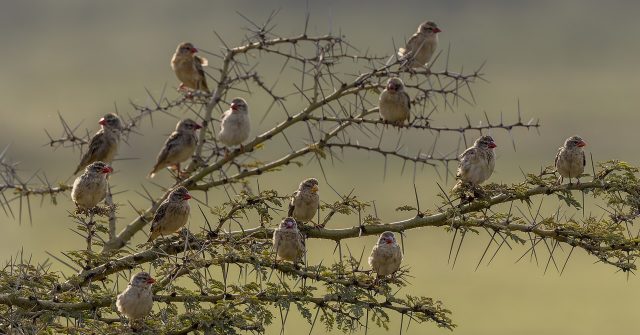
Though the park is relatively small, its ecological importance is immense. Lake Nakuru is one of the alkaline lakes scattered across the Rift Valley, its mineral-rich waters creating a unique habitat that sustains vast flocks of flamingos. These birds, numbering in the hundreds of thousands, feed on the blue-green algae and tiny crustaceans that thrive in the lake’s warm shallows. Their presence is the park’s most famous draw, attracting photographers, birdwatchers, and nature lovers from around the world. But the flamingos are far from the only inhabitants here. The park is also home to rhinos, Rothschild’s giraffes, lions, leopards, and buffalo, along with over two hundred fifty other bird species, making it a microcosm of East Africa’s wildlife.
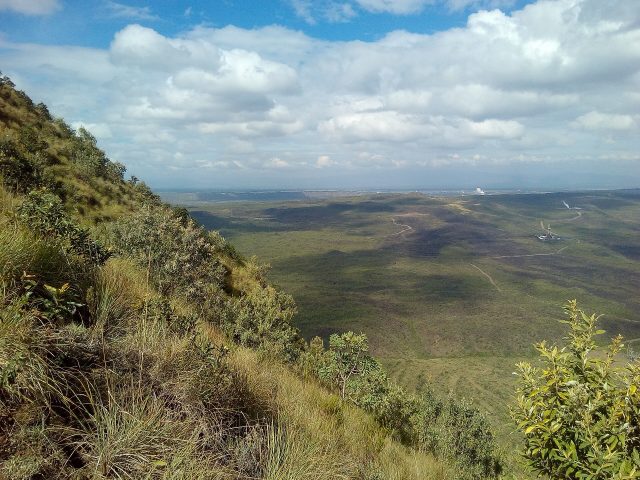
The park’s history is rooted in conservation. It was first established as a bird sanctuary in 1961, specifically to protect the flamingos and other waterfowl that depended on the lake. By 1968, its status was elevated to a national park, and its boundaries expanded to include not just the lake but the surrounding savannas, forests, and rocky hills. Today, the park covers nearly 180 square kilometers, offering a mix of landscapes—open grasslands, dense acacia thickets, and patches of ancient forest that once covered much of Kenya before being cleared for agriculture. These remnants of the past provide a glimpse into what the region might have looked like centuries ago.
A visit to Lake Nakuru is more than just a chance to see wildlife; it’s an immersion in the raw, untamed spirit of the African savanna. The park’s roads are carefully designed to bring visitors close to the animals without disturbing their natural behavior. Most safaris are conducted by vehicle, though guided walking trails are available for those who want a more intimate experience. The best times to explore are early morning or late afternoon, when the light is soft and the animals are most active. There’s something almost primal about watching a herd of buffalo move across the plains or spotting a leopard in the distance, a reminder of how little has changed in these landscapes over time.
The lake itself is a study in contrasts. Its water levels fluctuate with the seasons, sometimes shrinking dramatically during dry periods when the flamingos disperse in search of better feeding grounds. Even when the lake loses its signature pink hue, the park remains a fascinating place. The alkaline soils support rare plant species adapted to harsh conditions, and animals from neighboring areas still come to drink at the remaining waterholes. The ever-changing nature of the landscape means that no two visits are quite the same—one year, the lake might be a vast, shimmering expanse; the next, a cracked, sunbaked plain.
Beyond its natural wonders, the park holds traces of human history. On its outskirts lies Makalia Cave, a site tied to the indigenous communities that lived in the region long before European settlers arrived. The cave served as a shelter and a place for rituals, its walls adorned with rock paintings estimated to be centuries old. Today, visitors can explore the cave with a guide, who shares stories of its significance to local cultures. It’s a quiet reminder that this land has been shaped by both nature and people over generations.
Lake Nakuru is more than just a tourist destination; it’s a vital stronghold for biodiversity. The park plays a key role in conservation efforts, particularly for endangered species like the black and white rhinos and the Rothschild’s giraffe. Strict anti-poaching measures have helped stabilize and even grow some populations, offering hope for the future. For many visitors, the experience goes beyond sightseeing—it’s a chance to witness firsthand the delicate balance of an ecosystem and the efforts being made to protect it.
A trip here is unpredictable in the best way. The animals are wild, their movements unscripted, and patience is often rewarded with moments of quiet magic—a lioness teaching her cubs to hunt, a herd of elephants moving silently through the bush, or the sudden, surreal sight of thousands of flamingos taking flight. Even if the day doesn’t go as planned, the landscape itself is enough to leave a lasting impression. The golden grasslands stretching to the horizon, the vast African sky overhead, the sense of being in a place where time moves differently—it’s all part of what makes Lake Nakuru unforgettable. Here, the noise of the modern world fades, and for a little while, you’re simply a witness to the enduring rhythm of the wild.