Lake Nakuru Museum is one of those rare places where history doesn’t feel like a distant relic but something tangible, almost alive. Housed in a building that dates back to Kenya’s colonial era, the museum itself is part of the story it tells. The structure was originally a private residence for an English settler before later serving as an administrative office, and its architecture carries the quiet weight of that past. High ceilings, wide windows, and creaking wooden floors give the space a sense of timelessness, as if the walls have absorbed the echoes of everything that has happened within them. Even the simplest exhibits feel more meaningful here, framed by the building’s own history.
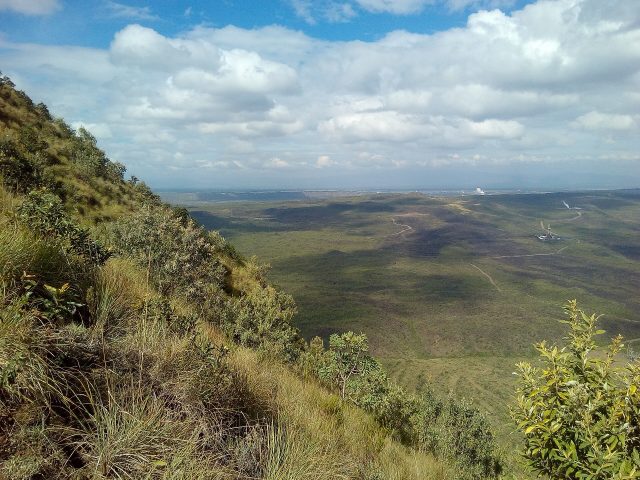
The museum’s focus on the Rift Valley’s culture and natural heritage makes sense—Nakuru sits at the heart of this dramatic geological formation, known for its lakes, volcanoes, and unique ecosystems. The main exhibition explores the traditions of the region’s indigenous communities, particularly the Maasai and Kalenjin, who have shaped this land for generations. Visitors can see intricate beadwork, traditional weapons, hunting tools, and farming implements, alongside models of homes that illustrate how life here has evolved over centuries. The displays on rituals and beliefs—masks, musical instruments, ceremonial objects—aren’t just relics; they’re reminders that many of these traditions remain alive in modern Kenya.
A separate section is dedicated to paleontology and geology, reflecting the Rift Valley’s global significance in the study of human evolution. The museum holds replicas of some of the most important fossil discoveries made in the region, including casts of ancient hominid skulls and Stone Age tools. The exhibits are accessible without oversimplifying the science, offering enough context to understand why this part of Kenya has been pivotal in reshaping our understanding of human origins. For anyone curious about the deep history of the land, this section provides a rare opportunity to connect with a past far older than the country itself.
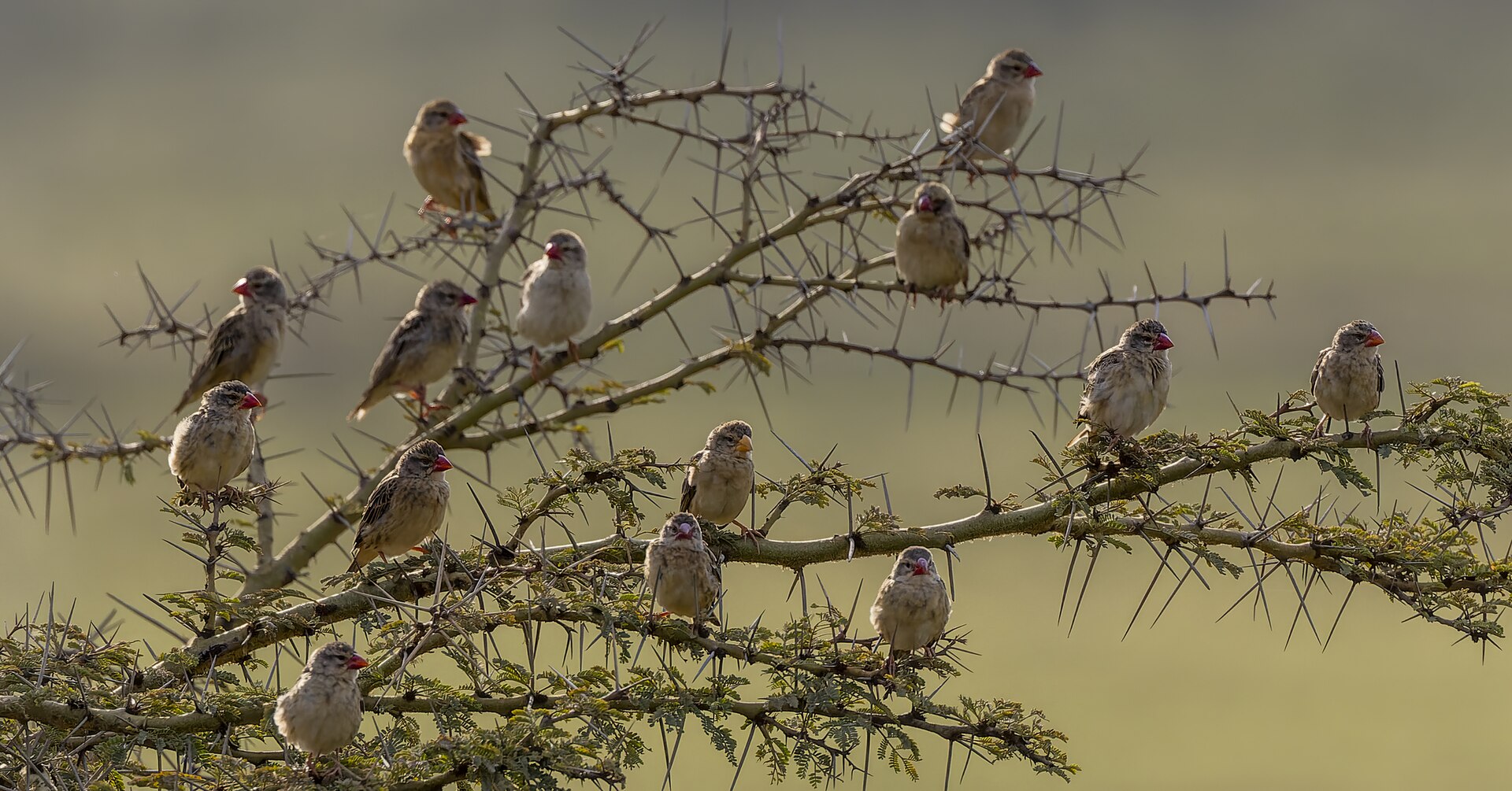
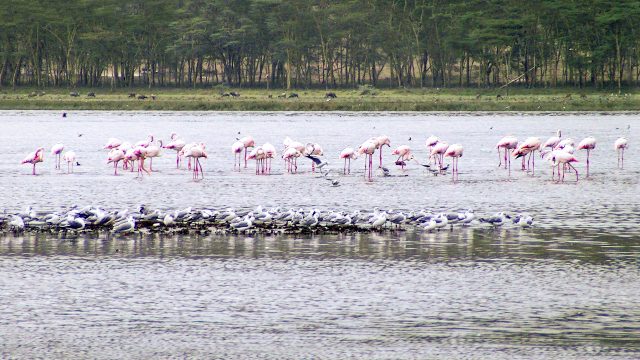
Nature also takes center stage in the museum’s narrative. Nakuru is surrounded by national parks and reserves, and the museum includes a concise but insightful display on the region’s flora and fauna. The most famous resident of the area, Lake Nakuru, is given special attention—once a spectacle of thousands of pink flamingos, its shifting water levels and ecological challenges are explained in detail. The exhibit also covers other wildlife, from rhinos and giraffes to rare bird species, serving as a primer for visitors planning to explore the nearby national park. It’s a way to appreciate the landscape beyond its postcard beauty, understanding the delicate balance that sustains it.
The museum isn’t just about static displays. Occasionally, it hosts workshops where visitors can try their hand at traditional crafts, like weaving baskets or carving wood, guided by local artisans. Lectures on Maasai culture or Kenya’s colonial history sometimes take place, though these events depend on staff initiative and visitor interest. The small courtyard often features rotating exhibits of contemporary Kenyan art, offering a glimpse into how modern artists interpret the country’s natural and cultural heritage. These moments of interaction make the museum feel less like a repository of the past and more like a living space.
The building itself is worth lingering over. Constructed in the early 20th century, it retains many original details—carved wooden doors, vintage light fixtures, and wrought-iron stair railings. The surrounding garden is modest but carefully tended, filled with native plants like acacias and succulents. It’s a quiet place to sit, watch birds, or escape the midday heat, adding another layer to the museum’s unhurried atmosphere. The garden, like the exhibits, reflects a commitment to preserving the small but meaningful details that define the region.
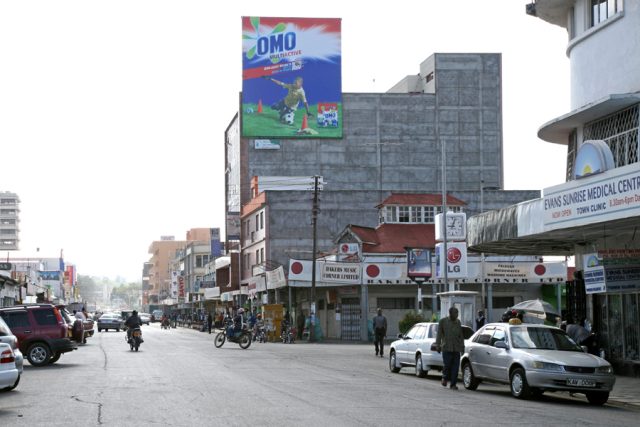
What makes Lake Nakuru Museum special isn’t its size or grandeur, but its ability to feel intimate and unhurried. There are no crowds rushing from one exhibit to the next, just a quiet space to absorb the stories at your own pace. The staff, if approached, are often happy to share insights, making the experience feel more personal. For travelers who want to understand Nakuru beyond its reputation as a safari destination, the museum offers a deeper perspective—one that reveals the city and its surroundings as a place with its own identity, shaped by history, culture, and the land itself.
The museum doesn’t try to be everything to everyone. Instead, it focuses on what truly matters to this part of Kenya: the relationship between people and nature, the traditions that have endured for centuries, and the scientific discoveries that have redefined our understanding of human history. There’s no attempt to dazzle or impress—just a thoughtful, honest exploration of what makes Nakuru and the Rift Valley unique. That’s why it lingers in the memory not for any single exhibit, but for the way it makes the past feel present.