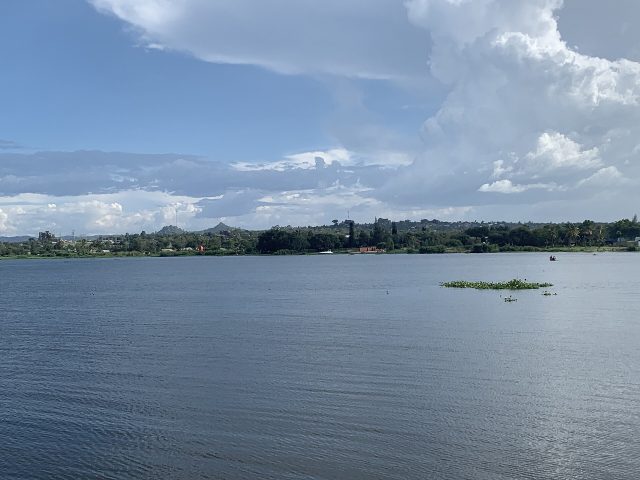
Musoma’s Bukoba Road Beach is a quiet corner of Lake Victoria where the horizon meets the water without interruption. No resorts crowd the shore, no vendors call out—just waves, birds, and the scent of damp earth and fish. Musoma is a small port town in northwestern Tanzania, rarely on tourist maps, and that’s why its beaches feel untouched. Bukoba Road isn’t for swimming or sunbathing; it’s where you sit by the water and watch life move at the lake’s pace.
Lake Victoria, the largest tropical lake and the second-largest freshwater lake by surface area, shapes everything here. Its waters feed the Nile, and its shores touch Tanzania, Uganda, and Kenya. For those who live along its edges, the lake is a lifeline—food, transport, stories. In Musoma, the lake feels close. No hotels block the view, no promenades. The shoreline stays natural, lined with papyrus reeds and sandy shallows that appear in the dry season. Bukoba Road Beach is a small stretch of this vast water, but it shows the rhythm of life tied to it.
The beach is modest—pebbles, sand, and silt shift with the seasons. During rains, water creeps closer to the road; in dry months, it recedes, leaving shallow pools where birds gather. Locals wash clothes, mend nets, or rest here. Fishermen return at dawn, their wooden boats carved from single tree trunks, baskets of fish glistening. No changing rooms, no loungers—just the shore as it is. That’s the appeal.
Musoma’s history is tied to Lake Victoria. The town began as a fishing settlement in the late 19th century, growing as traders and missionaries arrived. During colonial times, it became a transport hub, connecting inland regions to the lake and beyond. The port is quieter now, but Bukoba Road Beach, named after the road to Bukoba, has always been a gathering place. Weathered docks, half-submerged boats, rusted anchors—reminders of how the lake has sustained people for generations.
No grand architecture, no landmarks. The shoreline has simple clay-and-wood houses and a few stalls selling cold drinks and grilled fish. It feels unchanged for decades. Bukoba Road Beach isn’t a place to rush; it’s where you linger, watching light shift over the water, fishermen at work, children in the shallows.
For travelers who reach Musoma, the beach is an unexpected find. No tourist infrastructure—no fees, no guides, but also no clean restrooms or familiar cafes. If you’re curious about local life, you’ll see more: women carrying baskets of fish on their heads, boys playing soccer, elders talking by the water. This isn’t for visitors; it’s life as it’s always been.
Swimming in Lake Victoria is risky. Crocodiles, hippos, unpredictable currents. Locals know safe spots, but outsiders should stay on shore. That doesn’t make the beach less appealing. Without crowds, it’s peaceful. Sit by the water, watch the sunset turn the sky orange and pink. Walk the shore, peer into coves where boats are moored, talk to fishermen—they’ll share stories if you ask.
Musoma isn’t in most guidebooks, and Bukoba Road Beach is just one of its quiet corners. The most memorable places don’t try to impress. No luxury, no entertainment, not even basic conveniences—but something deeper. A sense of realness, a chance to see life without filters. If you’re here, don’t rush. Stay an hour, a day, as long as you like. Just be on the shore of one of the world’s great lakes.