Takayama’s Miyagawa Market feels like stepping into a slower, quieter version of time. Stretching along the river of the same name in the heart of the old town, it preserves the rhythm of life from centuries past. The narrow lanes are lined with wooden houses, their tiled roofs curving gently under the weight of winter snow, while the air carries the scent of smoked fish, pickled vegetables, and woodsmoke from early morning fires. Unlike the crowded markets of bigger cities, Miyagawa moves at its own unhurried pace—vendors chat with regulars they’ve known for decades, and the only urgency comes from the rising sun.
The market’s roots reach back to the Edo period, when Takayama thrived as a center of craftsmanship and trade. Skilled carpenters from the region built temples and palaces across Japan, while merchants dealt in timber, lacquerware, rice, and sake. Miyagawa began as a place where farmers from surrounding villages brought their goods, and townspeople came to stock up on daily necessities. Over time, it evolved into more than just a marketplace—it became a gathering spot for news, gossip, and even matchmaking. Today, the same kinds of goods appear on the stalls as they did hundreds of years ago: pickles, mushrooms, river fish, mochi, and traditional sweets.
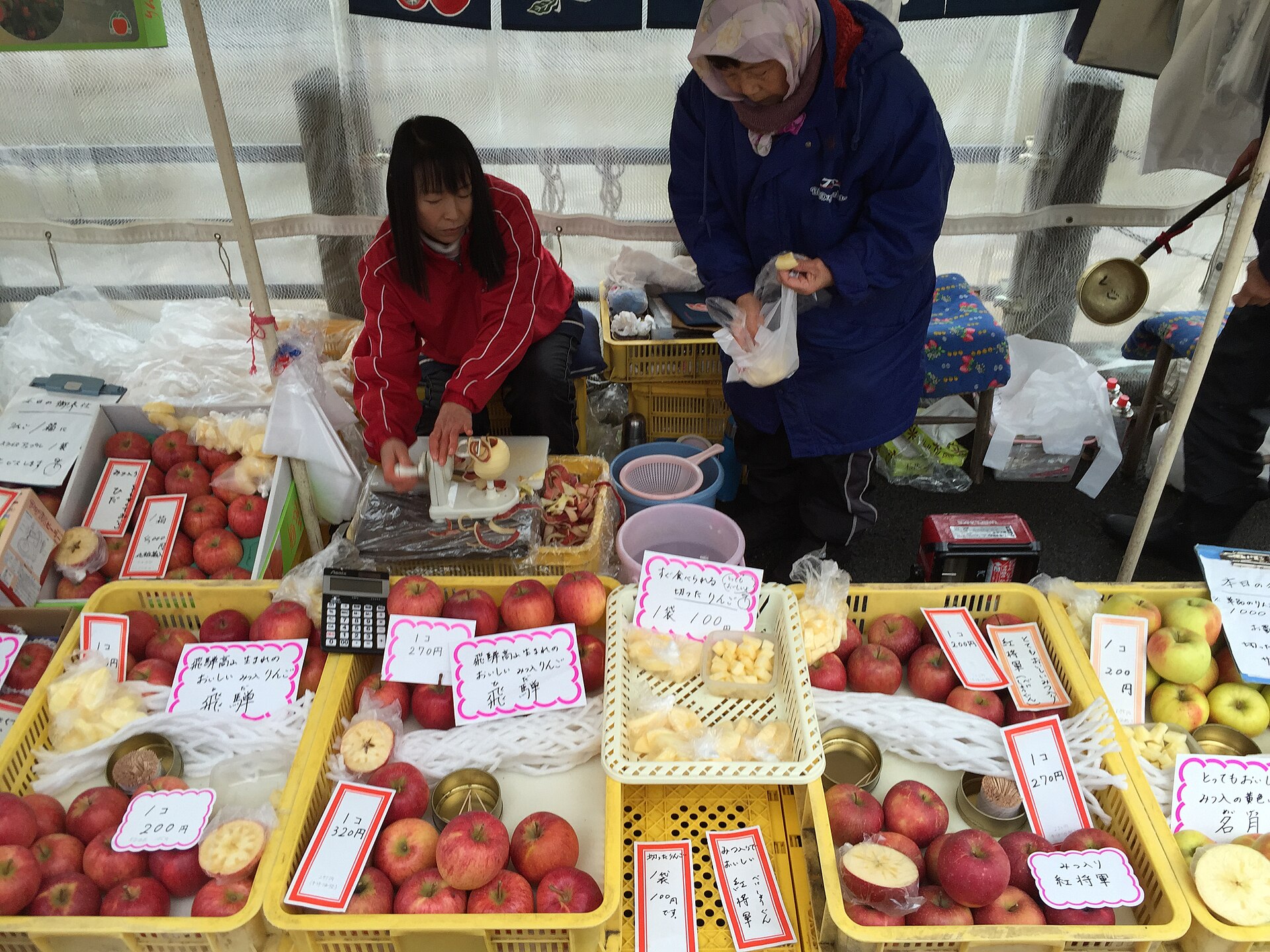
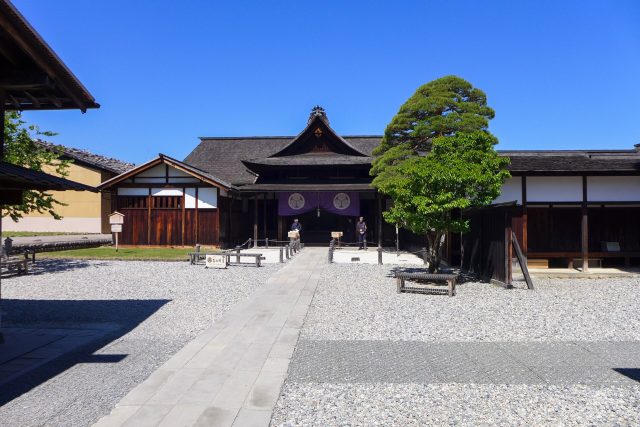
The architecture here tells its own story. The buildings follow a style typical of Japan’s mountainous regions—low, with broad eaves to shed heavy snow. Many retain their original facades, though some interiors have been updated to accommodate modern needs. What hasn’t changed is the care put into displaying goods. Fish is arranged on ice like an art installation, vegetables are stacked in woven baskets, and mochi is shaped by hand right in front of customers. Even the simplest items feel deliberate, as if each stall is a small exhibition of local life.
Miyagawa operates in the early hours, a tradition that dates back to when farmers set out before dawn to reach the market by opening time. Today, the rhythm remains the same: stalls open around six in the morning and close by noon. The best time to visit is just after sunrise, when the air is still cool and the streets are just waking up. Locals shop for the day’s meals, vendors prepare their wares, and a few sleepy-eyed visitors wander between stalls, curious about unfamiliar foods.
The market offers a taste of the region’s traditions, quite literally. Pickles dominate the tables—classic daikon alongside lesser-known mountain greens. Mushrooms, dried, fresh, or marinated, are a staple, gathered from the forests around Takayama for generations. River fish like trout and ayu are considered delicacies, while cured meats from wild boar and deer hint at the area’s hunting past. Sweets are just as important: mochi stuffed with sweet bean paste, fried pumpkin cakes, and tamagoyaki, the slightly sweet rolled omelet that’s a local favorite.
But Miyagawa isn’t just about food. Handcrafted goods fill many stalls, made by artisans who’ve honed their skills over lifetimes. Wooden spoons and bowls carved from single pieces of timber, ceramics with patterns unique to the region, and hand-dyed fabrics reflect Takayama’s craft heritage. Some vendors offer samples—sake tastings, mochi-making demonstrations—while others share stories about their family’s trade, passed down through generations. There’s no pressure to buy; just the quiet pleasure of watching someone shape a bowl or explain how a particular pickle is made.
What makes Miyagawa special is its atmosphere. There’s no touristy hustle here, no pushy salesmanship. People come as much for conversation as for commerce. Elderly locals debate rice prices, housewives swap recipes, and children dart between stalls. If you’re lucky, a vendor might tell you how trade worked here in the old days or which traditions still hold. The market feels less like a place of business and more like a living room for the neighborhood—a space where time hasn’t just slowed down, but settled into something deeper.
This is Takayama as it’s always been, away from the glossy brochures and crowded attractions. There are no fancy cafes or designer shops, just the quiet authenticity of a place that has refused to let go of its past. If you visit, make time for an early morning walk along the river. You might leave with nothing more than a cup of tea and a couple of mochi, but you’ll carry something far more valuable: the sense of a town that has carefully preserved the way things used to be.