Kilifi Market is where the town reveals itself in its most unfiltered form. There’s no tourist gloss here, no staged exoticism or souvenir stalls vying for attention. Instead, it’s a place of purpose—where people come for groceries, gossip, or simply because it’s where they’ve always come. The market doesn’t perform; it just is.
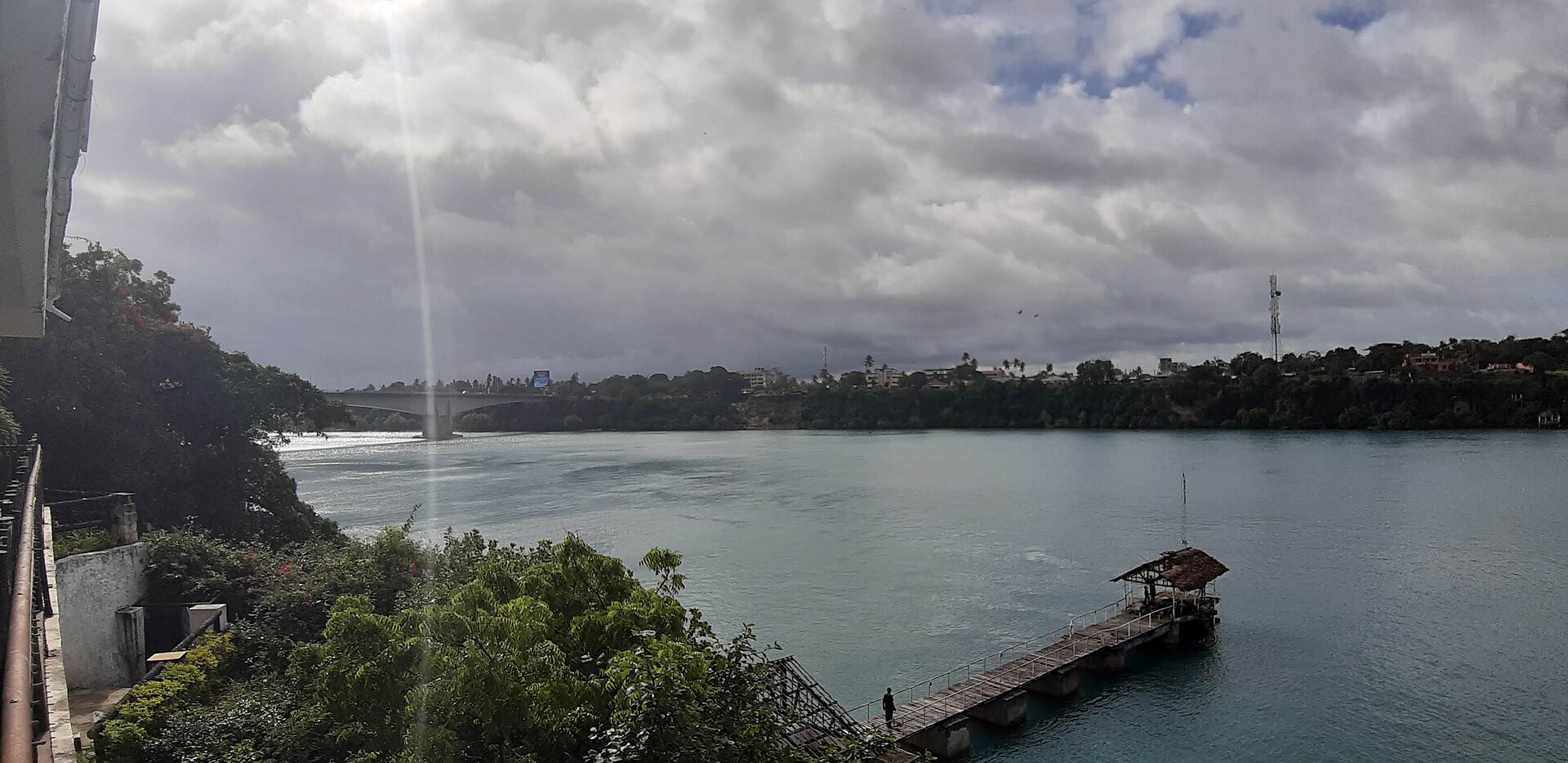
Stretching along the edge of Kilifi Creek, the market blurs into the surrounding streets and mangrove thickets. Its boundaries are fluid, shifting with the flow of people and goods. Mornings are the busiest time, when fishermen haul in their catch, farmers arrive with fresh produce, and women from nearby villages spread out mats to sell flatbreads, spices, and dried fish. The trade happens under open skies, beneath rusted corrugated roofs or the sparse shade of trees, where the air hums with negotiation and the occasional burst of laughter.
The market’s architecture is purely functional, built for necessity rather than aesthetics. Wooden stalls, some patched together with scrap metal or plywood, stand alongside tables made from repurposed pallets. There’s no room for ornamentation—every inch serves a purpose. When the rains come, the ground turns to mud, but the market carries on, undeterred. The stalls may lean, the roofs may leak, but the rhythm never falters.
Food is the heart of the market. The fish section is a world of its own, where tuna, barracuda, and octopus lie in heaps, their scales glistening under the sun. Vendors gut and fillet the catch right in front of customers, the sharp scent of saltwater mingling with the earthy aroma of fresh herbs. Nearby, piles of tomatoes, eggplants, and leafy greens sit beside fruits rarely seen in European supermarkets—passionfruit with their wrinkled skins, mangosteens with their deep purple husks, and the spiky, pungent durian. Everything here is grown in the surrounding countryside, and the flavors are richer, more vivid than anything wrapped in plastic.
But the market isn’t just about food. It’s a microcosm of daily life, where you can find everything from plastic basins and rubber flip-flops to vibrant kanga fabrics and shell jewelry. There are stalls selling secondhand clothes, shipped in from Europe or China, their labels still attached. In one corner, barbers set up shop under makeshift tents, offering quick haircuts or intricate braids for a few coins. Nearby, mechanics tinker with bicycles, phones, and radios, their tools spread out on rickety tables.
The market is where different worlds collide. Women draped in brightly patterned kangas haggle over vegetables, their voices rising and falling in animated conversation. Teenagers in faded Western-brand T-shirts browse through stacks of cheap electronics, while the occasional tourist stands out, camera in hand, moving cautiously through the crowd. Locals barely glance at them—outsiders are just another part of the scene.
Time moves differently here. The market is loudest in the early hours, quieter in the midday heat, and livelier again as the sun dips lower. Weekends bring an even bigger crowd, with traders from neighboring villages setting up extra stalls. Sometimes, someone brings a guitar or a drum, and for a few hours, the market transforms into an impromptu gathering, music spilling into the air as people pause to listen or join in.
For Kilifi’s residents, the market is more than a place to shop. It’s where news is exchanged, where old friends catch up over cups of spiced tea, where children dart between stalls while their parents bargain. There’s no schedule, no rigid structure—just the natural ebb and flow of life, dictated by the sun, the seasons, and the needs of the people who rely on it.
That’s why Kilifi Market feels so different from the polished markets in tourist brochures. It doesn’t try to impress or conform to expectations. It simply exists, as essential and unpretentious as the town itself.