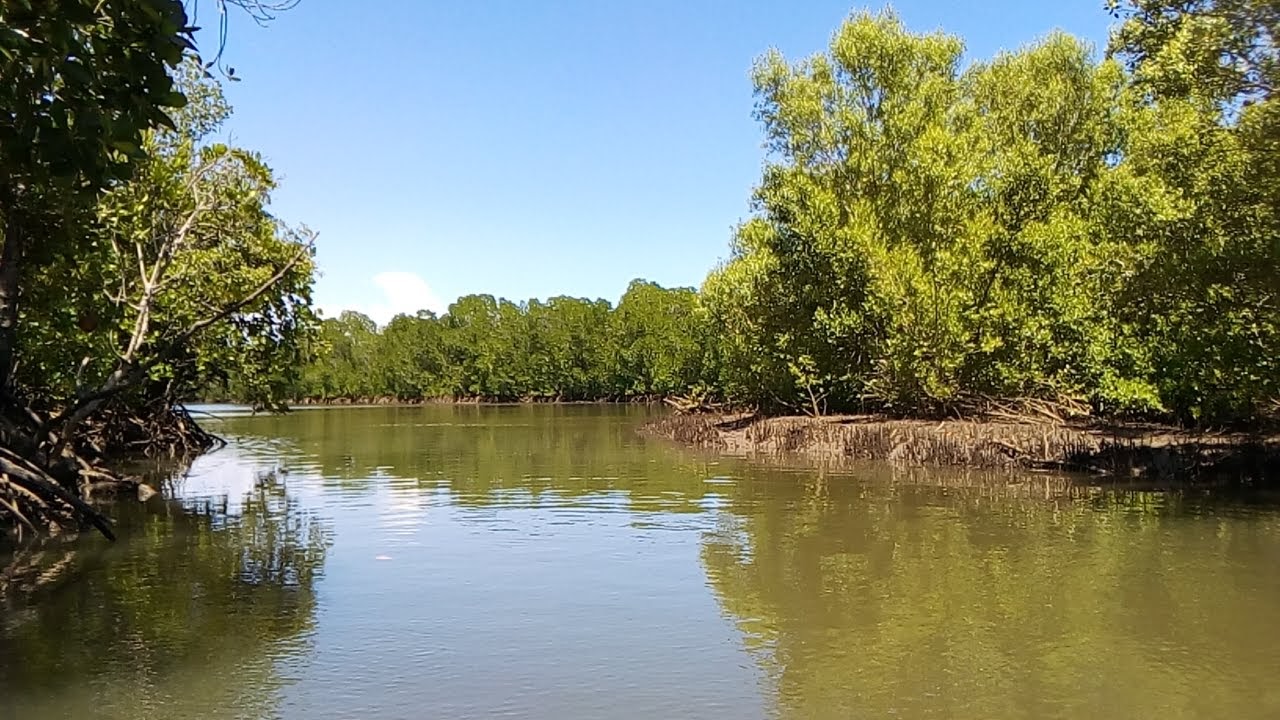
Kilifi Creek is one of those places where the land and water meet in a quiet, almost secret way. The mangrove forest here stretches along the narrow inlet where the river spills into the Indian Ocean, its tangled roots sinking into the mud while branches arch over the water like a living canopy. The light filters through in shifting patterns, casting dappled shadows on the dark surface below. Unlike the crowded beaches of Mombasa or the well-trodden paths of Malindi, this place feels untouched, as if time moves differently between the trees.
The forest has always been more than just scenery. For generations, it has been a natural barrier against the ocean’s force, shielding the coastline from erosion while providing shelter for countless creatures. Fish dart between the roots, crabs scuttle along the mud, and birds—herons, kingfishers, even the occasional fish eagle—perch on the branches or skim the water’s surface. Local fishermen still come here, casting their nets or gathering oysters from the roots, relying on the mangroves to clean the water before it flows into the sea. It’s a place where life thrives in the balance between land and tide.
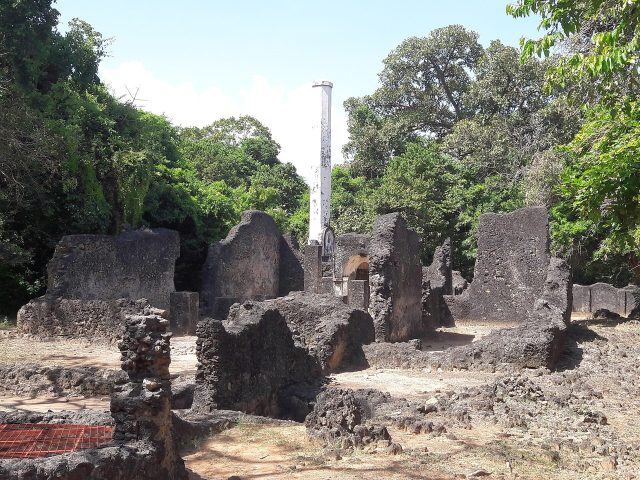
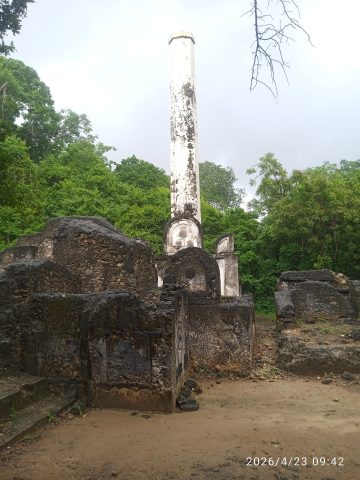
Centuries ago, Kilifi Creek was part of a different kind of rhythm. The creek itself was once a vital stop for traders moving goods between Africa’s interior and the markets of Arabia and India. Ships laden with ivory, gold, and spices would anchor here, using the mangroves as a natural harbor to wait out storms or restock fresh water. The forest absorbed the sounds of commerce and travel, its roots holding the stories of merchants and sailors long after the ships had sailed. Today, the ruins of old settlements hint at that past, but the mangroves remain, unchanged in their quiet guardianship.
Exploring the creek is easiest by boat, especially when the tide is high and the water fills the narrow channels. Local guides navigate the maze of roots and branches, steering close enough to brush against the leaves. The water is dark, almost black in places, reflecting the dense green above. The air carries the scent of salt and damp earth, mingling with the faint tang of decaying leaves. Every so often, bubbles rise to the surface—air escaping from the mangroves’ breathing roots, a reminder that the forest is alive in ways that go beyond what the eye can see.
The pace here is slow, deliberate. There’s no rush to fill the silence. Crabs move along the roots like tiny sentinels, fish break the surface in quick flashes, and if you’re lucky, you might spot a monkey in the higher branches, though they’re shy and rarely seen. During the rainy season, the forest transforms. The water rises, submerging the lower roots, and the mangroves seem to float directly on the ocean. Migratory birds arrive, their calls echoing through the trees, adding layers to the soundscape. It’s a place where the boundaries between land and water blur, where the natural world asserts itself without apology.
Kilifi Creek doesn’t cater to the usual tourist expectations. There are no resorts, no souvenir stalls, no guided tours with scripted commentary. People come here for different reasons—some to photograph the play of light and shadow, others to escape the noise of everyday life. Birdwatchers find it especially rewarding, as the forest is home to species rarely seen elsewhere along Kenya’s coast. But even those who come without a specific purpose often leave with something intangible: a sense of stillness, a connection to a rhythm older than memory.
The mangroves are fragile, though. Their survival depends on careful stewardship. Local authorities and conservation groups work to limit deforestation and prevent pollution from reaching the water. Visitors are encouraged to tread lightly—no litter, no disturbances to wildlife, no damage to the trees. It’s a small ask for a place that gives so much in return.
If you find yourself in Kilifi, set aside time for the creek. There’s no need to hurry, no checklist of sights to see. Just let the forest unfold at its own pace. Sit in a boat as the water laps against the hull, watch the birds glide overhead, listen to the rustle of leaves in the breeze. It’s one of those rare places where you can feel the weight of history in the air, where the ocean’s breath and the earth’s quiet persistence remind you that some things don’t need to be loud to be extraordinary.