Kilifi Beach is one of those rare coastal spots in Kenya where time seems to slow down, and the ocean meets the shore without fanfare. There are no crowded resorts, no persistent vendors, no overbearing service—just a long stretch of white sand framed by coconut palms and the Indian Ocean, its waters shifting from gentle ripples to rolling waves. It’s a place where you can wade into the surf or simply sit on the sand, watching the light dance across the water without distraction.
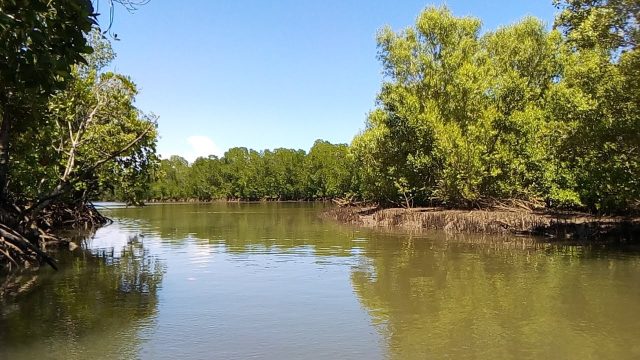
Kilifi sits roughly halfway between Mombasa and Malindi, a location that has shaped its quiet, unassuming character. Unlike its more tourist-driven neighbors, it hasn’t become a hub of activity, though it offers just enough for a peaceful stay: small guesthouses, local eateries serving Swahili dishes, and the option to hire a boat for a river cruise or a coastal ride. The beach here isn’t about action—it’s a retreat for those who want to step away from the noise, whether that means solitude or a slow, unhurried rhythm.
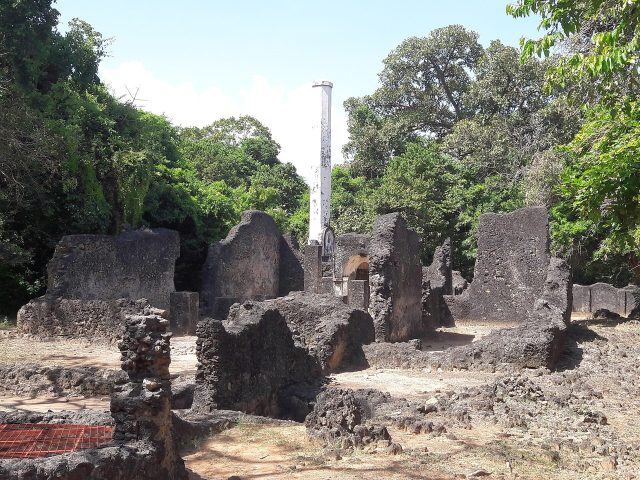
The area’s history is tied to trade and seafaring. Centuries ago, Kilifi was part of a network of Arab trading settlements along the East African coast, where merchants exchanged ivory, gold, and spices with Persians, Indians, and local communities. Traces of this past linger in the old town, where carved wooden doors and inner courtyards reflect Swahili architectural traditions. Most visitors, though, come for the beach rather than the history, and the town itself rarely holds their attention for long.
The shoreline stretches for kilometers, its mood shifting with the seasons. During the rainy months, from April to June, the ocean grows rougher, and the sand turns damp and compact. But in the dry season, especially between December and March, the water clears, and the beach feels almost deserted. Local fishermen set out at dawn in traditional dhows, returning with the day’s catch, which they sometimes sell right on the sand. Occasionally, they’ll invite visitors to join them, though more often they go about their work quietly, undisturbed by the few people around.
There’s a sense of quiet abandonment to Kilifi Beach, a feeling that you’ve stumbled upon a place still untouched by mass tourism. No sunbeds line the shore, no vendors hawk souvenirs, no music blares from beach bars. Instead, there’s space, silence, and the rare sensation of being somewhere undiscovered. That doesn’t mean it’s completely wild—within a short walk, you’ll find small cafés serving chilled coconut water or grilled fish, their unassuming presence blending into the landscape rather than disrupting it.
For those who want to explore beyond the sand, a few nearby spots offer simple diversions. The bridge over the Kilifi Creek connects the two halves of the town and has been a local landmark since the mid-20th century. In the evenings, people gather here to fish or watch the sunset over the water. A short drive away, the Arabuko-Sokoke Forest Reserve protects one of the last remaining patches of coastal forest in East Africa, home to rare birds and animals like the golden-rumped elephant shrew. It’s a quiet contrast to the beach, a reminder of the region’s natural diversity.
Kilifi won’t suit anyone looking for nightlife, shopping, or a packed itinerary. There are no clubs, no malls, not even a wide selection of restaurants. But if you’re after a place where you can read under a palm tree, walk an empty stretch of sand, or simply do nothing at all, it’s an ideal escape. The beach doesn’t try to impress—it exists on its own terms, offering rest without expectations.
In recent years, a handful of eco-lodges have sprung up, catering to travelers who prefer simplicity and sustainability. These places often feature thatched bungalows, locally sourced meals, and guided walks through the surrounding landscape. It’s not luxury tourism, but a quieter, more intentional way to experience the coast—one where the day begins with birdsong and the sound of waves rather than a wake-up call.
More than a destination, Kilifi Beach feels like a state of mind. There’s no schedule, no must-see list, no pressure to fill the hours. Instead, there’s the chance to slow down, watch the sunset over the ocean, and listen to the rhythm of the tides. Maybe that’s why people return—not for attractions or entertainment, but for the rare feeling of stepping outside time, if only for a little while.