Mnarani is one of those quiet places where the past lingers just beneath the surface. Tucked away in the coastal bushland a short distance from Kilifi, its crumbling walls and weathered tombs are all that remain of a once-thriving city. The ruins may be modest, but they carry the weight of centuries—whispers of traders, sailors, and scholars who shaped this stretch of the Swahili coast.
This was a place built on trade. In the 14th century, when Mnarani first took root, the Indian Ocean was a highway connecting East Africa to Arabia, Persia, India, and even distant China. Ships arrived laden with spices, silks, and porcelain, while ivory, gold, and slaves flowed outward. The city flourished in the 15th and 16th centuries, not just as a commercial hub but as a melting pot of cultures. Swahili, Arabic, and Bantu traditions blended here, leaving behind a legacy that still echoes in the ruins.
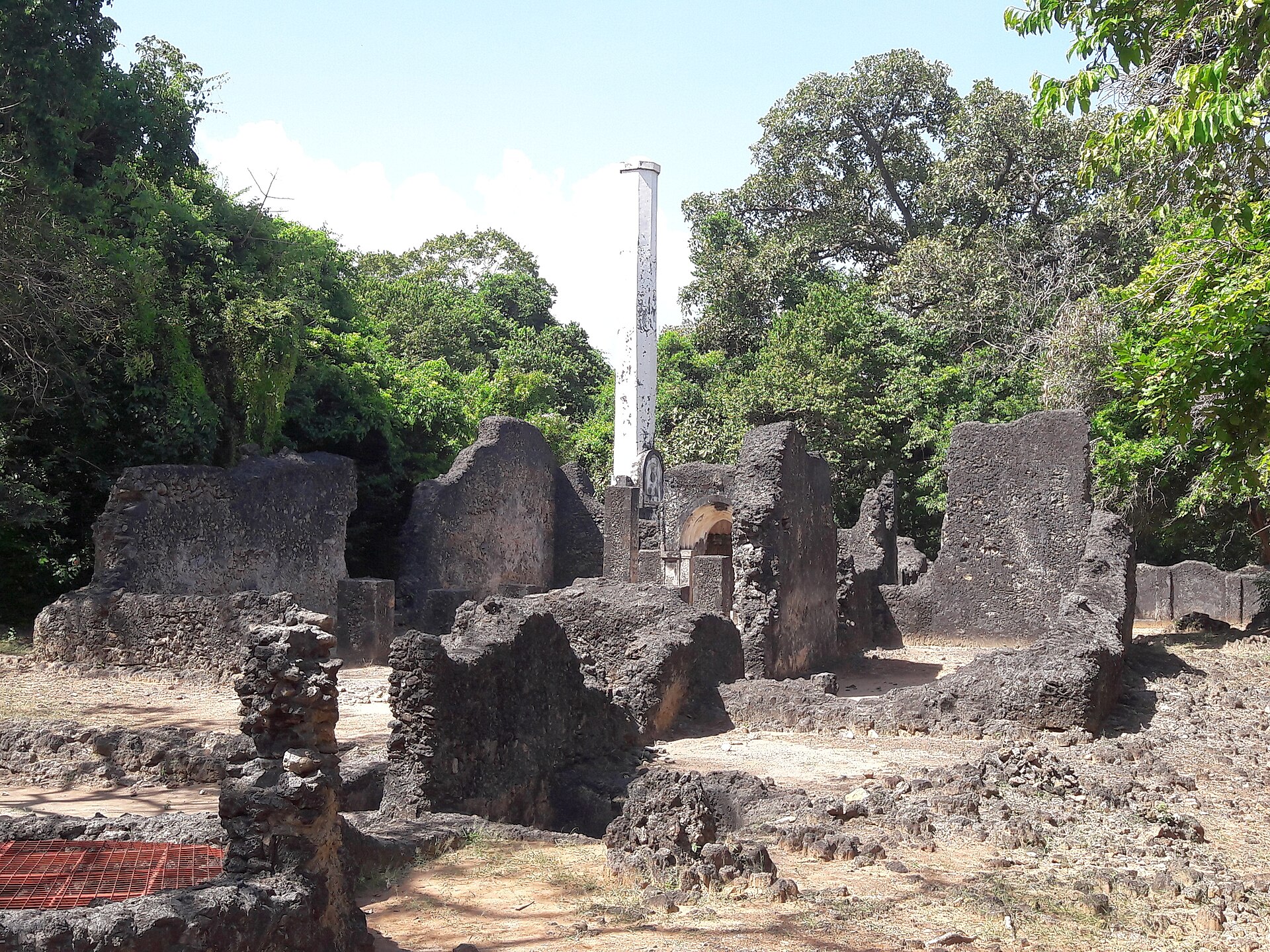
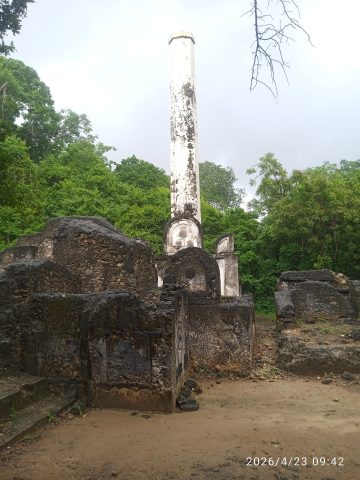
The architecture tells its own story. The coral-stone mosques, though now skeletal, were once adorned with intricate mihrabs pointing toward Mecca. The tombs, marked by tall pillars carved with geometric patterns, are a hallmark of Swahili burial traditions. These structures weren’t just functional—they were statements of faith and status, built to endure long after their creators were gone.
No one knows for certain why Mnarani was abandoned in the 17th century. Some suggest shifting trade routes left it isolated. Others point to conflicts or disease. Whatever the reason, the city slowly faded into the landscape, swallowed by the very bush that now surrounds it. It wasn’t until the 20th century that archaeologists began peeling back the layers of time, revealing the outlines of a forgotten world.
Visiting Mnarani feels less like touring a historical site and more like stepping into a quiet conversation with the past. There are no crowds, no vendors, no modern distractions—just the rustle of dry grass and the occasional call of a bird. The ruins are scattered across a gentle slope, their coral blocks softened by time and weather. If you’re lucky, a caretaker might be around to point out details you’d otherwise miss: the faint outline of a doorway, the curve of an arch just beginning to crumble.
The best time to come is late afternoon, when the setting sun turns the stone golden. The light seems to breathe life into the ruins, making it easier to imagine the city as it once was—bustling with merchants haggling over goods, the murmur of prayers drifting from the mosques, the scent of spices mingling with the salt air. Mnarani wasn’t a grand capital, but that’s part of its charm. It was a place where ordinary lives unfolded, shaped by the rhythms of the ocean and the demands of trade.
For those drawn to East African history, Mnarani offers something rare: a sense of intimacy. Unlike the more famous ruins of Gede or Lamu, it hasn’t been polished for tourists. There are no signs explaining every stone, no neatly manicured paths. You’re left to wander, to touch the rough coral, to let your imagination fill in the gaps. It’s a place that rewards patience, where the silence itself feels like a story waiting to be heard.
If you find yourself in Kilifi, take the time to visit. Bring water, wear sturdy shoes, and leave the guidebooks behind. There’s no need for grand monuments here—the real magic lies in the quiet persistence of the past. You won’t find answers to every question, but you might just feel the weight of history settling around you, as tangible as the wind off the ocean.