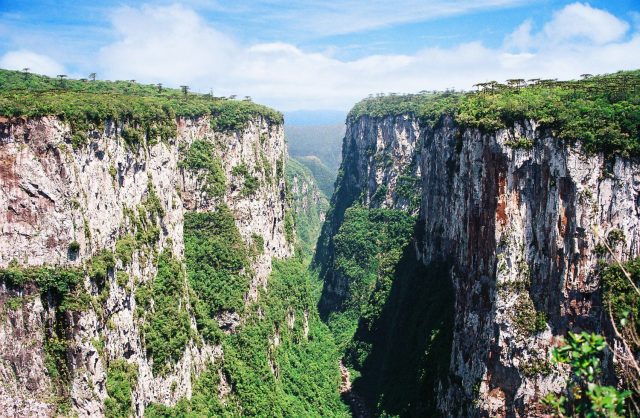
Kilifi
Kenya · 5 places
Photo: putneymark, CC BY-SA 2.0
Kilifi is one of those rare places along the East African coast where the Indian Ocean meets tangled mangrove forests, and life moves to the slow sway of palm trees in the breeze. A quiet town about a hundred miles north of Mombasa, it has long been a refuge for those who prefer empty beaches to crowded resorts, where the only urgency is deciding whether to nap in the shade or wade into the warm water.
The town itself is unassuming—low coral-stone buildings, narrow streets where the scent of saltwater mixes with the earthy cool of banyan trees, and a pace that feels deliberately unhurried. There are no high-rises or neon-lit promenades, just a handful of small bars and cafés where the day begins with the shouts of fishermen unloading their night’s catch and the rich aroma of coffee brewed over open fires on the sand. By midday, the heat drives everyone indoors or into the water, leaving the streets nearly deserted until the sun dips lower. Then, as evening falls, the waterfront comes alive with the hum of conversation, the rhythmic pulse of drums, and the smoky scent of grilled octopus or coconut curry simmering in clay pots.
What Kilifi lacks in grand hotels or polished attractions, it makes up for in atmosphere. The guesthouses here are tucked into lush gardens, where breakfast might include mangoes plucked from the tree outside your window. The people—descendants of Swahili, Arab, and Indian communities—carry themselves with quiet pride, offering directions to a good snorkeling spot or a lesson in cracking open a coconut, but never pressing their company. There’s no scripted hospitality, just the easy rhythm of a place where visitors are neither ignored nor fawned over.
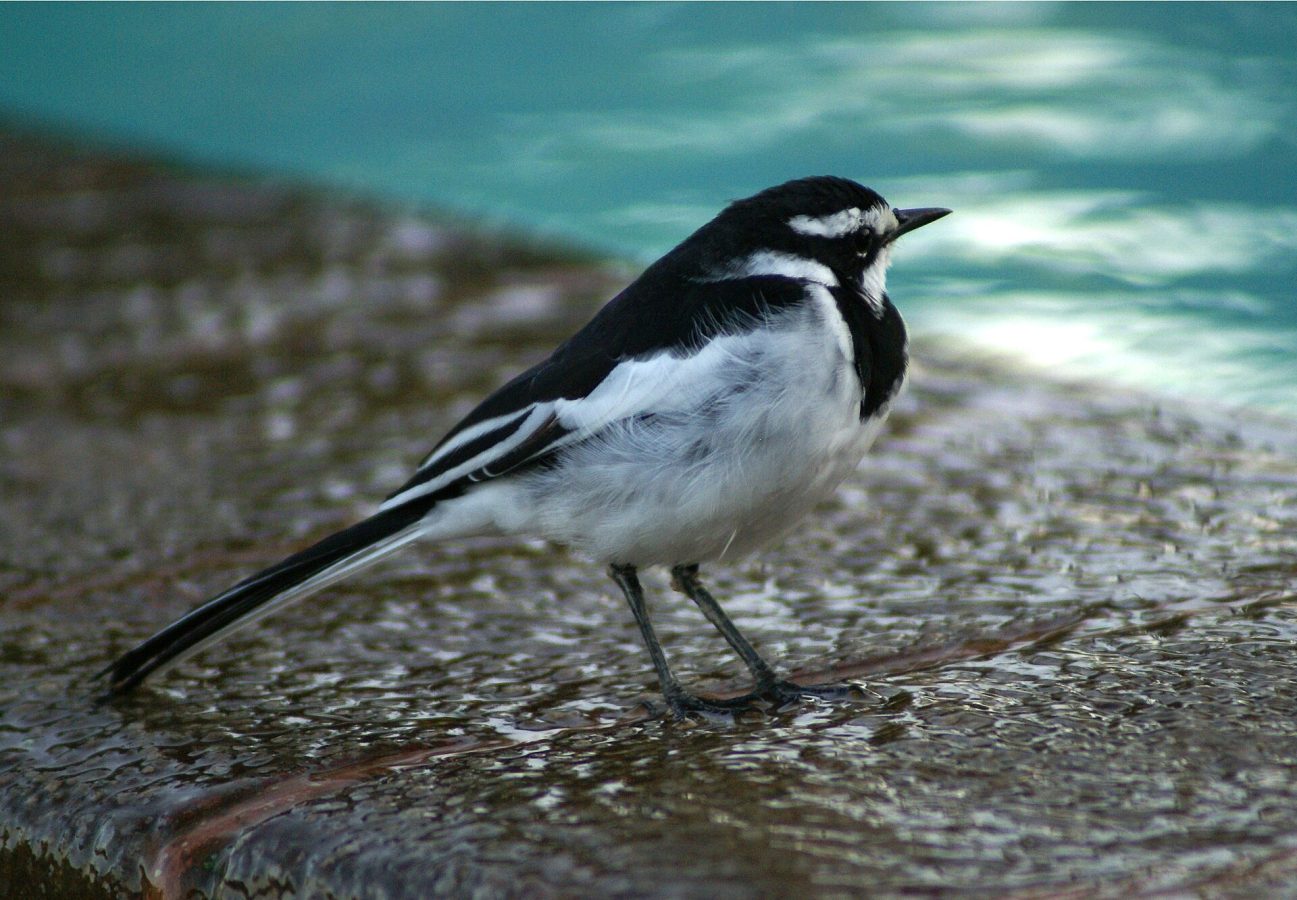
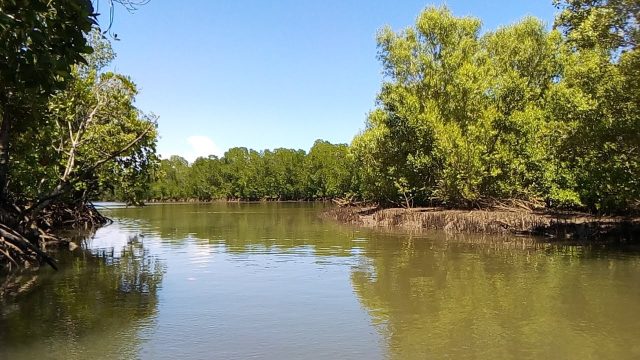
Beyond the beach, Kilifi reveals other layers. A short drive north lies the Arabuko-Sokoke Forest, one of the last remaining patches of coastal woodland in East Africa, where rare birds flit through the canopy and, if you’re lucky, a leopard might cross your path. To the south, the Goshi River estuary transforms with the tides, its mangroves shifting from solid ground to waterlogged labyrinths perfect for canoeing. Nearby, small farms grow organic coffee and spices, while local artisans craft jewelry from shells and driftwood, their workshops as much a part of the landscape as the baobabs dotting the horizon.
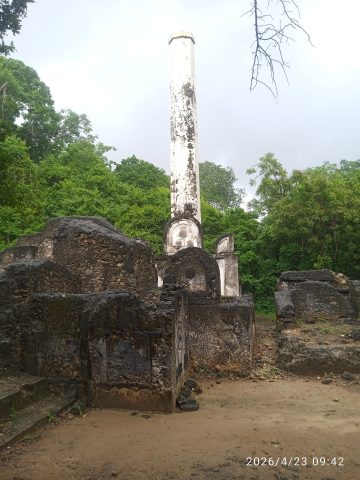
This isn’t a place for those who need constant entertainment. There are no grand monuments or curated experiences, just the quiet interplay of ocean, forest, and human hands. The real draw is the way time seems to stretch here—how a single afternoon can feel like a week, how the sound of waves against the shore becomes a kind of music. Some visitors leave with photos of sunsets or mangroves, but the ones who return are often chasing something less tangible: the feeling of having stepped just slightly outside the rush of the world.
See & Do
All of them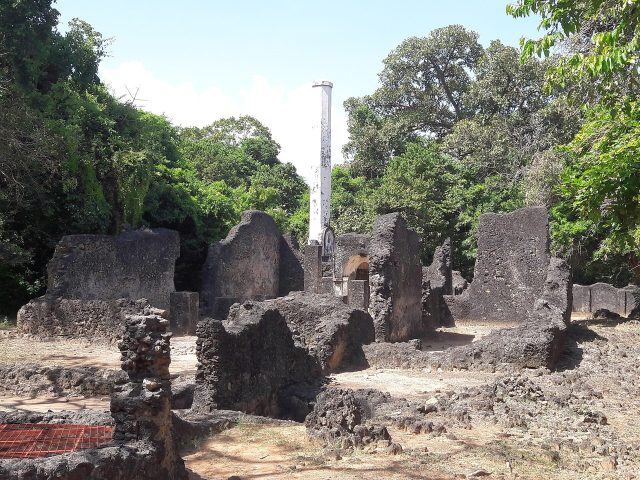
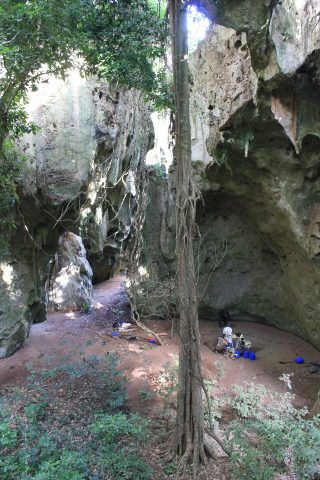
Places on the map
Marker colour follows the categoryClimate and weather
Detailed weather: Kilifi- Average temperature
- 27 °C
- Precipitation per year
- 1026 mm
Average air temperature
°C
28
28
29
28
27
26
25
25
26
27
28
28
Jan
Feb
Mar
Apr
May
Jun
Jul
Aug
Sep
Oct
Nov
Dec