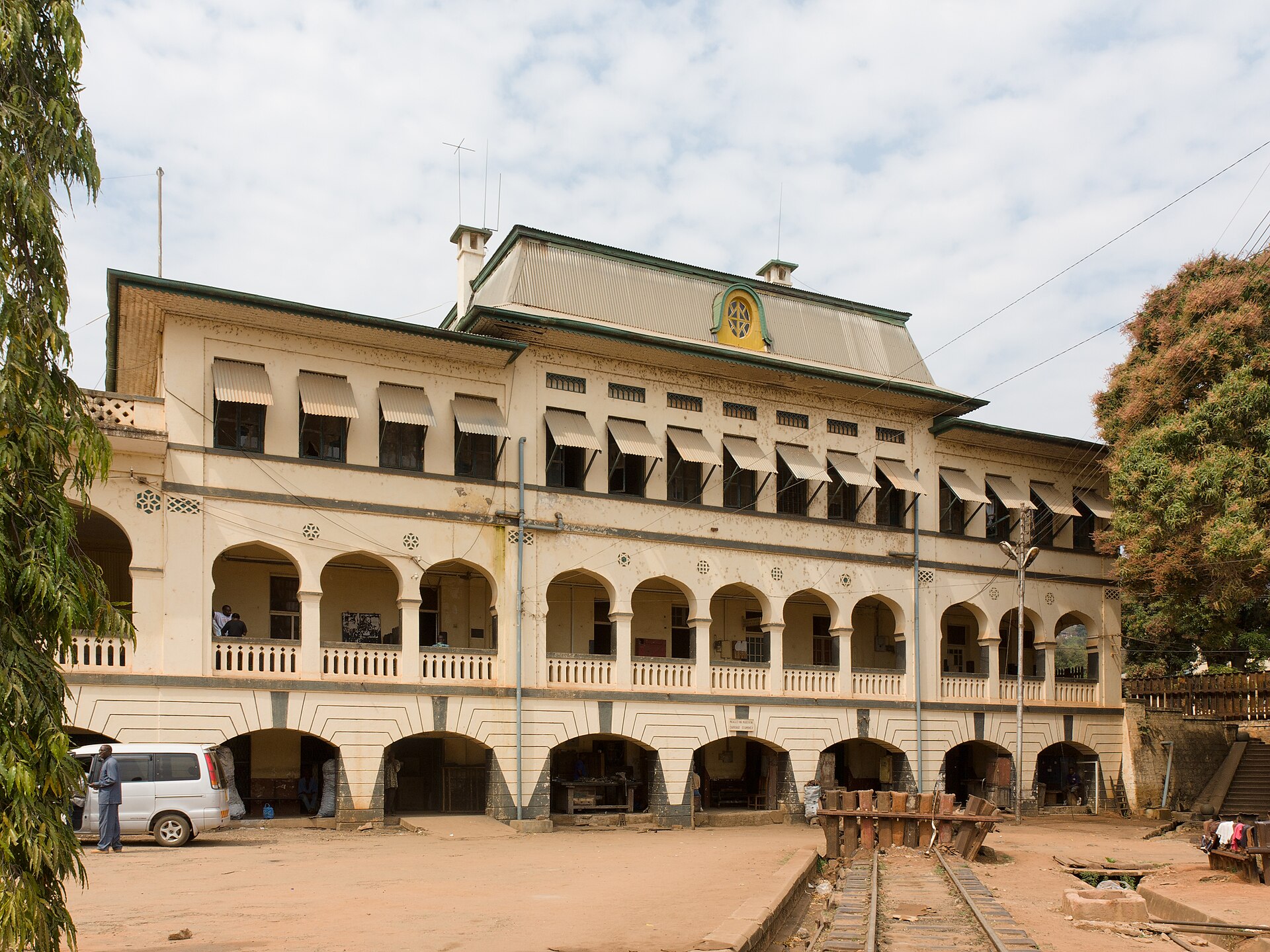
Kigoma’s market isn’t just a place to buy things—it’s the city’s living pulse, where the rhythms of daily life unfold in a constant, unfiltered hum. The air carries the scent of spices, fresh fish, and charcoal smoke, while the voices of vendors and shoppers blend into a steady murmur. Perched on the shores of Lake Tanganyika, Kigoma has long been a crossroads of trade, and the market still echoes with the legacy of caravans that once passed through here, laden with salt, cloth, and ivory. Today, it remains one of the few places where you can experience Tanzania as it truly is, far from the polished veneer of tourist spots.
The market’s architecture is simple and practical, designed for function over form. Low stalls under corrugated iron roofs create narrow passageways where two people can barely squeeze past each other. The layout maximizes space while shielding goods from the relentless sun. At the heart of the market, you’ll find the fruit and vegetable section, where familiar bananas and mangoes share space with less common offerings like marula fruit or baobab seeds. Nearby, spice vendors display heaps of turmeric, cardamom, and vanilla, their aromas thick in the air. Even if you hadn’t planned on buying anything, the temptation to take home a small bag is hard to resist.
The fish section is where the market truly comes alive. Lake Tanganyika is famous for its catch, and here you’ll find species rarely seen elsewhere: massive Nile perch, silvery daggaa that resemble sardines, and deep-water catfish. Vendors proudly arrange their haul on ice or directly on the counters, while buyers inspect each fish with care, pressing and sniffing before making their choice. Fish isn’t just food here—it’s a cultural cornerstone, a staple of local diets, and its sale is often accompanied by lively haggling, jokes, and stories about the day’s catch.
Beyond food, the market offers a little of everything. Brightly patterned kanga and kitenge fabrics, worn by local women, hang alongside handmade beadwork and wooden carvings. There are rows of practical household goods—plastic basins, buckets, and kitchen utensils—as well as secondhand clothing and shoes imported from China or India. The sheer variety creates a sense of abundance, though many items are well-worn rather than new. But that only adds to the market’s charm, a reminder that in Kigoma, things are valued for their usefulness, not their novelty.
The market’s day starts before dawn, when vendors arrive with goods strapped to bicycles or piled into the beds of battered pickup trucks. By six in the morning, the place is already bustling: women in vibrant dresses arrange their wares, men haul crates of fish, and children dart between stalls, helping their parents or simply playing. By midday, the pace slows as vendors take a break, sharing meals and gossip behind their counters. The market perks up again in the late afternoon, staying lively until sunset, when the last shoppers drift home and vendors begin packing up for the night.
More than just a place to trade, Kigoma’s market is a social hub where old friends catch up, news is exchanged, and everyday problems are solved. It’s where you might hear the latest rumors, arrange a home repair, or even find a job. For visitors, the market offers a rare glimpse into local life—just stand back for a moment, and you’ll see women haggling over a bundle of greens, children playing hide-and-seek between stalls, and elders sitting on benches, watching the world go by. It’s a scene of unscripted authenticity, the kind that’s increasingly hard to find.
Of course, the market isn’t without its challenges. The narrow aisles, lack of air conditioning, and scattered litter can feel overwhelming if you’re used to sterile supermarkets. But that’s part of its appeal. There’s no artificial order here, just the raw, unfiltered energy of life—messy, loud, and unpredictable. For those willing to embrace it, the market becomes more than a shopping destination; it’s a deep dive into Tanzanian culture, where every sight, sound, and smell tells a story.
If you find yourself in Kigoma, don’t rush past the market. Bring some local currency, slow down, and wander the aisles. Try a piece of fresh fruit, pick up some spices as a souvenir, or haggle over a fish you have no intention of cooking. The real value isn’t in what you buy, but in the experience itself. Kigoma’s market isn’t a tourist attraction in the traditional sense—it’s a place where the city’s past and present collide, where you can feel the heartbeat of a community that thrives on connection, tradition, and the simple act of coming together.