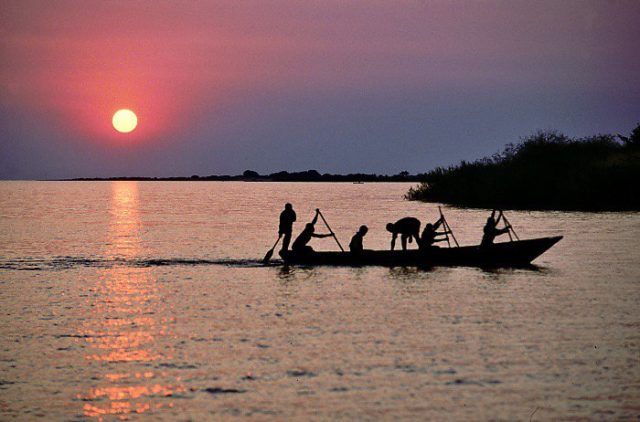
Kigoma’s port is where the rhythm of East Africa’s remote west unfolds in its most unfiltered form. Nestled on the shores of Lake Tanganyika, it has long been more than just a transit point—it’s a place where trade, history, and daily life intersect without pretense. For over a century, this modest harbor has served as a vital link between Tanzania and its landlocked neighbors: Burundi, the Democratic Republic of Congo, and Zambia. Unlike the crowded ports of more tourist-driven destinations, Kigoma’s docks hum with the steady work of laborers, the low growl of ferry engines, and the scent of fresh fish hauled from the lake. The town moves to the pace of the water, and the port is its quiet, beating heart.
The story of Kigoma’s port begins in the late 1800s, when German colonizers sought to solidify their hold over the region. Lake Tanganyika, one of the world’s deepest and longest freshwater lakes, had always been a natural highway, but before European arrival, local communities used it primarily for fishing and small-scale trade. The Germans saw its potential as a supply route into the continent’s interior, and Kigoma became a key node in their colonial network. By the time World War I erupted, the port had taken on strategic importance, as British and Belgian forces vied to cut off German supply lines in East Africa. The lake’s waters, once a peaceful trade route, became a contested frontier.
Today, the port retains a functional, no-frills charm. There are no gleaming terminals or high-tech cranes—just weathered docks where cargo ships, some looking like relics from another era, unload sacks of grain, cement, and everyday goods. Passenger ferries shuttle between Kigoma, Bujumbura, and other lakeside towns, carrying not just travelers but entire livelihoods. Many who board these vessels are traders, migrant workers, or families seeking better opportunities. The journey across the lake can take hours, even days, but for those who rely on it, the ferry is more than transport—it’s a lifeline.
The area around the port is a microcosm of life in this corner of Africa. Small markets spill onto the streets, selling everything from freshly caught fish to handwoven baskets and tropical fruit. The air is thick with the scent of spices and the murmur of Swahili and local dialects. Nearby, simple eateries serve *ugali* with grilled fish, a staple meal that sustains the town’s residents day after day. There are no luxury hotels or souvenir shops, just the quiet bustle of a place that exists for its own sake, not for visitors. To outsiders accustomed to the pace of big cities, Kigoma might feel slow, even sleepy. But that’s precisely what makes it compelling—the absence of spectacle, the presence of routine.
Beyond its local significance, Kigoma’s port plays a crucial role in the broader Great Lakes region. It’s a conduit for goods that sustain millions: medicines, construction materials, and basic supplies that might otherwise never reach remote communities. In recent decades, its importance has only grown, particularly during periods of instability in neighboring countries. When conflict flares in Burundi or Congo, the port often becomes one of the few reliable routes for humanitarian aid. Here, global crises collide with the everyday. A single ship docking at Kigoma might carry not just cargo, but the fragile hope of those waiting on the other side.
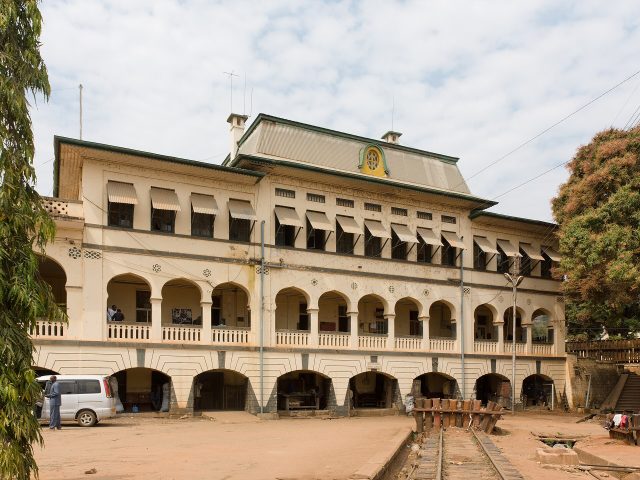
The architecture around the port tells its own layered story. Colonial-era buildings, constructed under German rule, stand alongside more recent structures built after Tanzania’s independence. Some of the older ones are worn by time, their wooden shutters and high ceilings hinting at a bygone era. The customs house, with its creaking floors and faded paint, feels like a place where history lingers in the details. Beyond the docks, the town sprawls in low-slung buildings, their earthy tones and hand-painted signs reflecting the practical, unpretentious nature of life here. There are no skyscrapers, no grand monuments—just the quiet persistence of a place that has always been a crossroads, not a destination.
For travelers who make the journey to Kigoma, the port is often the first glimpse of Lake Tanganyika’s vast, shimmering expanse. From here, ferries depart for Mahale Mountains National Park, home to wild chimpanzees, or Gombe Stream, where Jane Goodall conducted her groundbreaking research. But even without venturing further, the port itself offers a rare window into the region’s pulse. There are no staged performances for tourists, no curated experiences—just the unscripted flow of life. Fishermen mend their nets, traders haggle over prices, and the lake’s breeze carries the sounds of a town that has long existed on its own terms.
Kigoma’s port doesn’t dazzle at first sight. There are no grand vistas or towering landmarks, just the quiet harmony of work, nature, and human resilience. It’s a place where Africa’s rhythms unfold without fanfare, where the extraordinary lies in the ordinary. For those who take the time to look, it offers something far more valuable than postcard-perfect scenery: a reminder that the world’s most authentic stories are often found in the places that don’t make it into guidebooks. Here, the lake doesn’t just connect shores—it connects lives, histories, and the quiet, enduring spirit of a region that has always moved to its own beat.