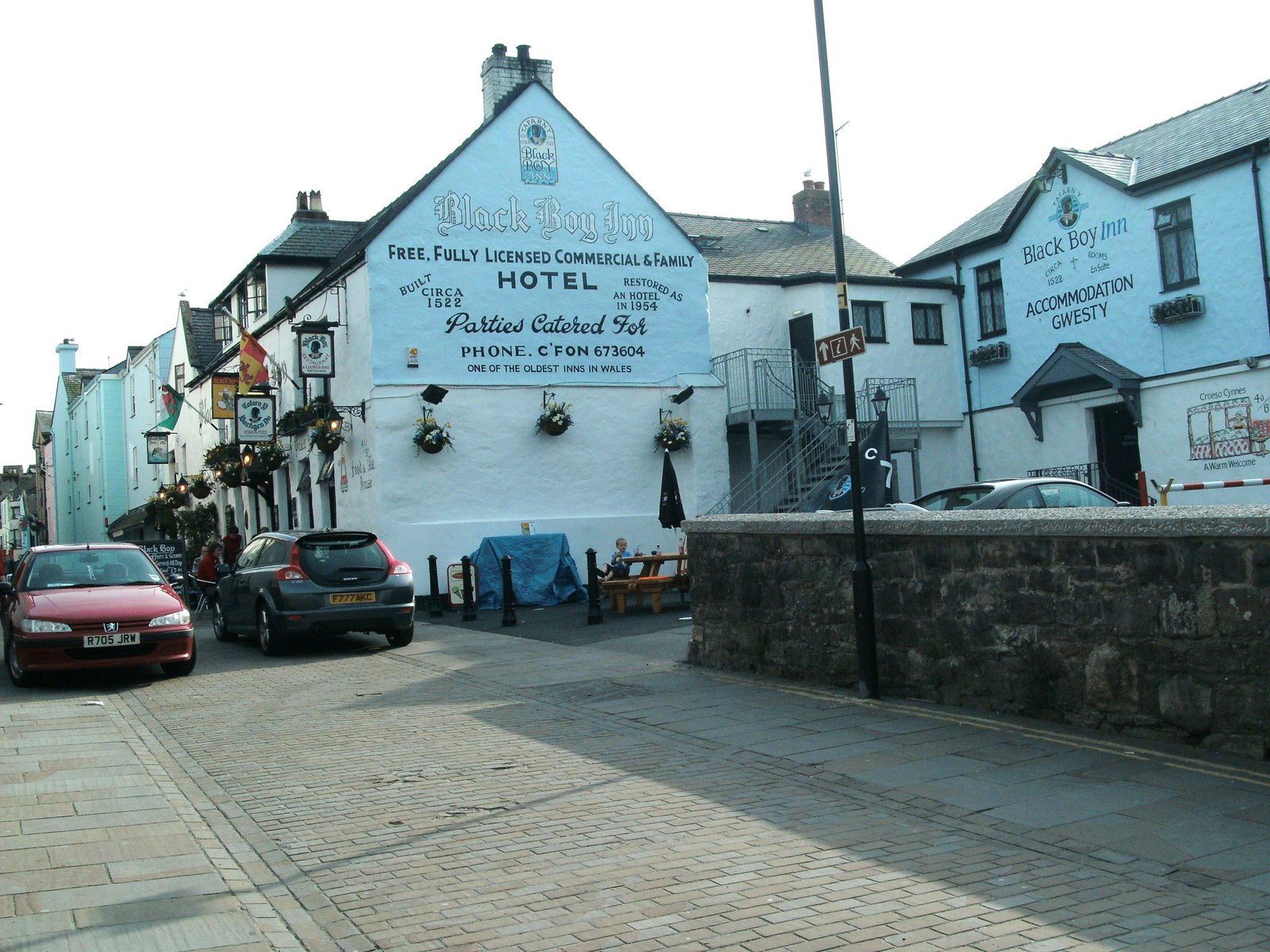
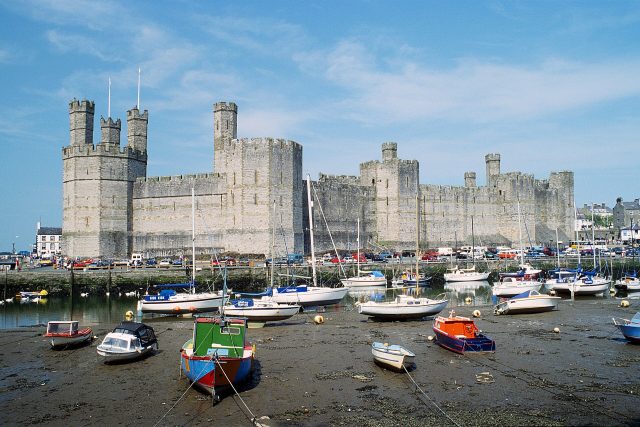
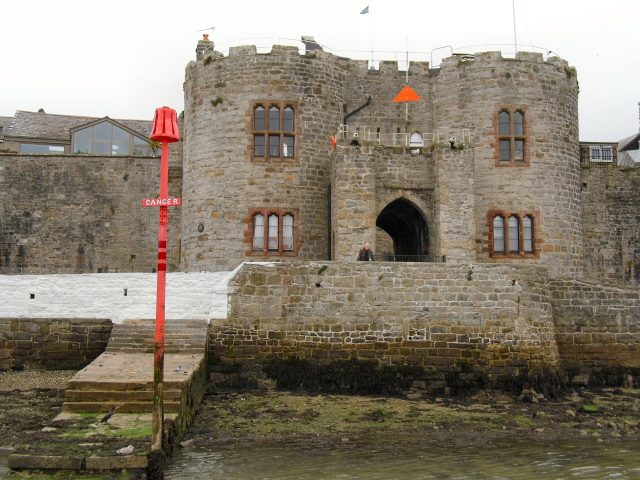
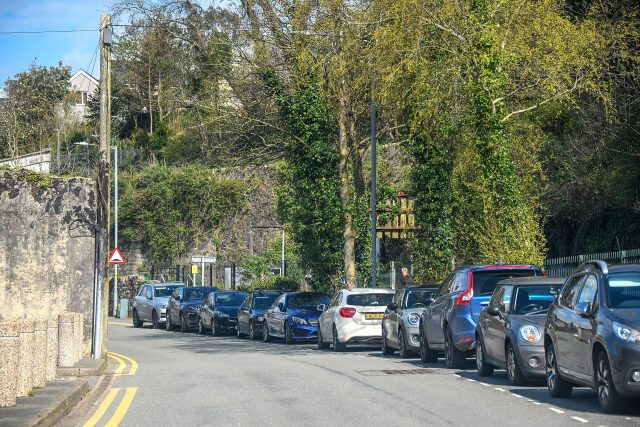
Carnarvon Market isn’t just a place to buy groceries—it’s a living piece of the town’s history, one that has barely changed in centuries. Tucked into the heart of the old quarter, where narrow streets wind between stone buildings and the air carries the scent of fresh bread mingling with the sea, the market feels like a step back in time. The stalls here are run by local farmers and artisans selling what they’ve grown or made themselves, and unlike the sterile aisles of a supermarket, everything is tangible—you can touch the cheese from a nearby farm, smell the just-caught fish, or taste a loaf of bread still warm from the oven.
The market’s roots stretch back to the Middle Ages, when Carnarvon was a bustling port in northern Wales. Situated where sea routes met land, the town became a crossroads for merchants from across Britain and beyond. Wool from local shepherds, fish from the Irish Sea, and spices from distant lands all passed through its stalls. Over the centuries, the market weathered fires, economic shifts, and even the arrival of factories and railways in the 19th century, yet it never lost its place at the center of town life. Instead, it adapted, blending traditional goods with new industrial products while keeping its soul intact.
The market’s architecture tells its own story. The current building, constructed in 1896, was designed by John Gibson in a neo-Gothic style that gives it a sense of grandeur without losing warmth. High ceilings with wooden beams, stone arches, and large windows flood the space with light, creating an atmosphere that feels both open and intimate. Inside, the market is divided into sections—central stalls for fresh produce, smaller shops along the edges selling everything from antiques to handmade crafts. Mornings are particularly magical, when sunlight spills through the windows and bounces off the stone walls, making the whole place feel suspended in time.
Today, the market is more than just a shopping destination; it’s an open-air museum of Carnarvon’s past. Old signs from the early 20th century still hang above stalls, wooden counters have been passed down through generations, and even the stone scales used in Victorian times remain in use. Many of the vendors come from families who have worked here for decades, and their knowledge runs deep—not just about their products, but about the stories behind them. They’ll tell you how a particular cheese is made, what goes into a traditional Welsh dish, or how a family recipe has been handed down over the years. Talking to them feels like flipping through a history book, except this one is written in lived experience rather than ink.
The market comes alive on Saturdays, when locals and visitors alike crowd the stalls. The air fills with the sound of live music, the sizzle of sausages on a grill, and the rich aroma of freshly brewed coffee. This is when you’ll find rare treats that don’t appear on other days—like Caerphilly cheese, made the old-fashioned way, or *bara brith*, a spiced fruit loaf soaked in tea that’s a staple of Welsh baking. If you’re lucky, you might stumble upon a stall selling handmade crafts: pottery, embroidered shawls, or wooden toys carved by local artisans. It’s a place where tradition isn’t just preserved; it’s celebrated.
But the market isn’t just about food and shopping. It’s where generations and cultures intersect. You’ll see elderly women in traditional Welsh shawls haggling with farmers, children darting between stalls, and tourists puzzling over a bowl of *cawl*, the hearty Welsh soup often served here. There’s no rush—people come to chat, catch up on news, or simply enjoy the moment. For many locals, the market is more than a place to buy groceries; it’s a part of their daily lives, a spot where they meet friends, reminisce, and feel connected to something enduring.
Of course, the modern world has left its mark. Some stalls now accept card payments, and a few vendors even promote their goods on social media. Yet the market hasn’t lost its essence. Quality still matters more than quantity, and real ingredients are prized over convenience. Even with supermarkets nearby, many townspeople keep coming back—not just for the food, but for the sense of belonging to something authentic, something that hasn’t been smoothed over by time.
Visiting Carnarvon Market is worth it for the atmosphere alone. There’s no touristy hype, no forced charm—just the real, unfiltered rhythm of the place. The stone walls, the scent of fresh fish, the calls of vendors inviting you to try their wares—it all feels genuine. This is where you can touch a piece of Welsh history, see how people lived centuries ago, and realize that some things don’t change, no matter how much the world does. The market isn’t just a landmark; it’s a piece of the town’s soul, still thriving after all these years.