Figura is one of those quiet Maltese towns that rarely makes it onto tourist maps. There are no grand medieval cathedrals here, no bustling waterfronts, no ancient ruins steeped in legend. Instead, the town offers something far more subtle: a glimpse into the unhurried rhythm of everyday life on the island. At its heart, in the square outside the Church of St. Cajetan, a weekly market unfolds—not as a spectacle for visitors, but as a living tradition, woven into the fabric of local life.
This isn’t the kind of market that draws crowds with vibrant displays of spices or colorful textiles. There are no shouts from vendors, no aggressive sales pitches. Instead, the stalls hold the simple, honest goods of the island: freshly caught fish from the Mediterranean, vegetables and fruit from nearby fields, homemade cheeses, and olive oil sold in plastic bottles. The atmosphere is more neighborly than commercial. Vendors chat with regulars, sip espresso from tiny cups, and take their time. It’s the kind of place where transactions feel secondary to conversation.
The market’s roots stretch back to a time when Figura was little more than a rural community, where trade was built on trust and mutual need. Malta has always been a land of small, tightly knit settlements, and markets like this one served as more than just economic hubs—they were social anchors. Here, deals were struck, news was shared, and life’s milestones—weddings, baptisms—were celebrated. Though Figura has grown over the years, the market has retained its original purpose: a place to gather, not just to shop, but to connect.
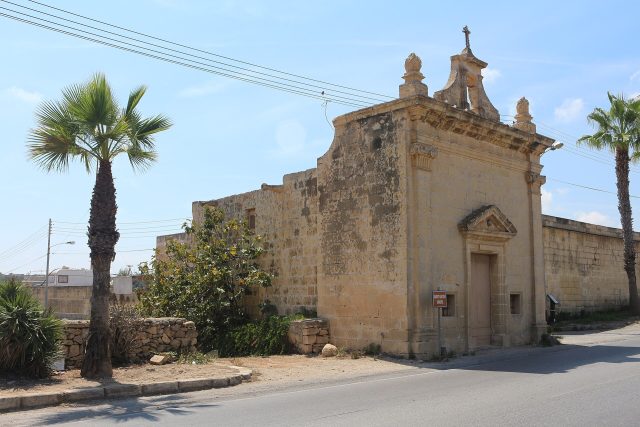
The architecture surrounding the square is unassuming. Low, flat-roofed houses in soft pastel shades frame the space, their simplicity creating a sense of warmth. The Church of St. Cajetan, built in the mid-20th century, stands at the center, its modest design blending seamlessly with the surroundings. There’s no grand ornamentation, just the clean lines and understated elegance typical of Maltese village churches. Nearby, elderly men often sit in the shade, playing cards or dominoes, while children weave between stalls, their laughter mixing with the murmur of the crowd.
The market comes to life on Saturday mornings, drawing not just locals but also residents from nearby villages. By midday, the air is thick with the scent of fresh bread, grilled fish, and herbal tea. Beyond the usual produce, vendors offer homemade preserves—marinated artichokes, sun-dried tomatoes, fig jam—alongside traditional Maltese sweets. There’s *imqaret*, deep-fried pastries stuffed with spiced dates, and *cannoli*, crisp shells filled with sweet ricotta. The aroma of vanilla and cinnamon drifts through the square, mingling with the salty breeze from the sea.
For visitors expecting the postcard version of Malta, Figura’s market might seem too ordinary, too far removed from the island’s more famous attractions. But that’s precisely its charm. There are no crowds, no pressure, no hawkers pushing souvenirs. Instead, there’s the quiet pulse of a small town where everyone knows each other, where time moves at its own pace. If you find yourself in Figura on a Saturday morning, don’t rush past. Pause at a stall selling olives, taste a piece of fresh bread with local cheese, listen to the cadence of Maltese spoken between neighbors. This is Malta as it’s lived—not the one on postcards, but the one that exists in the spaces between the headlines.