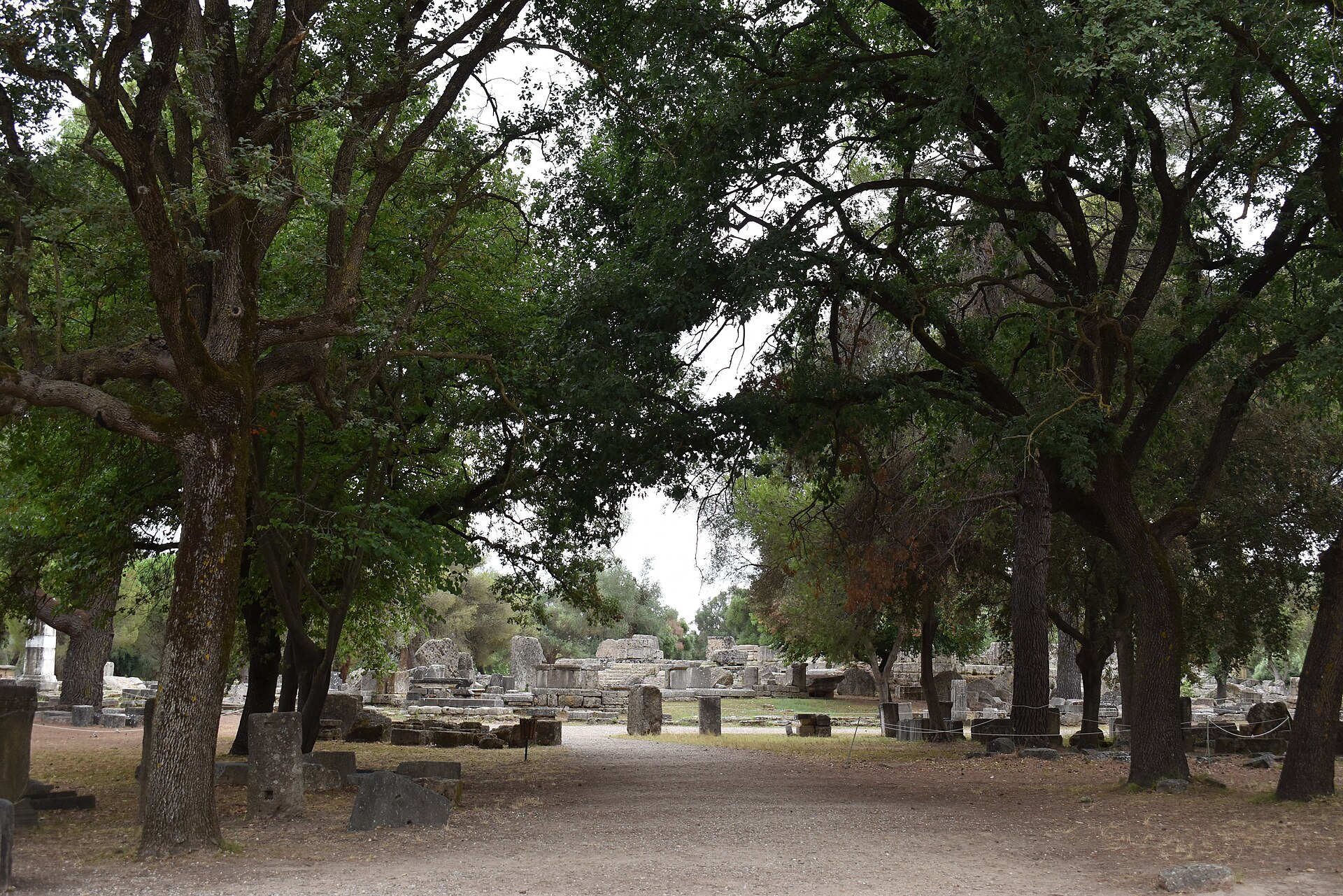
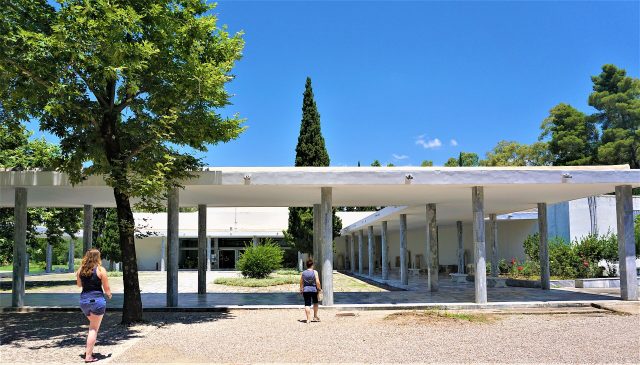
The remains of Phidias’ workshop in Olympia are a quiet testament to the hands that once shaped one of antiquity’s most revered masterpieces. This was where the great sculptor labored over the statue of Zeus, a work so magnificent it was counted among the Seven Wonders of the Ancient World. Today, little more than low stone walls and scattered foundations remain, yet even these fragments carry the weight of history. Walking among them, it’s easy to imagine the space as it was over two thousand years ago—a place where artistry and devotion converged in the creation of something timeless.
Archaeologists uncovered the workshop in the late 19th century, and its dimensions matched the descriptions left by ancient writers, confirming its connection to Phidias. Built in the 5th century BCE, the structure was more than just a workspace; it was a sanctuary of craftsmanship. Here, tools were kept, materials prepared, and perhaps even early sketches of future works were drawn. The building itself was modest, but its purpose was anything but ordinary. This was where Phidias didn’t just sculpt—he elevated his art to the level of the divine.
The workshop’s significance lies in what was created within its walls. The statue of Zeus, crafted from gold and ivory, was the pinnacle of Phidias’ career. According to legend, when the work was complete, the sculptor sought the oracle’s approval, asking if Zeus was pleased with his likeness. The answer, it’s said, was one of satisfaction—a rare blessing for any artist. The statue itself is long gone, lost to time, but the workshop where it took shape remains a tangible link to that moment of creation.
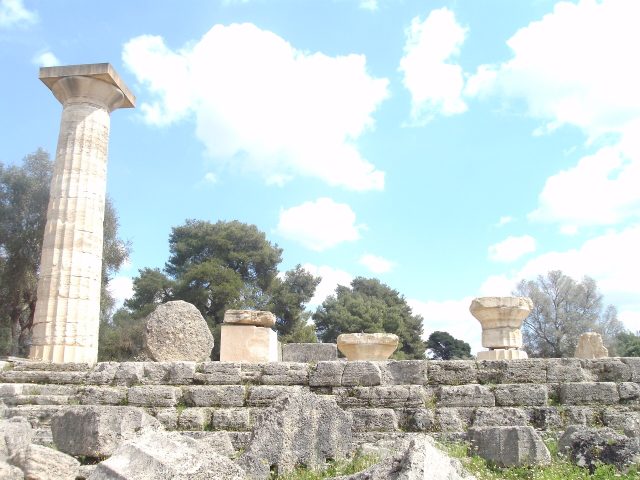
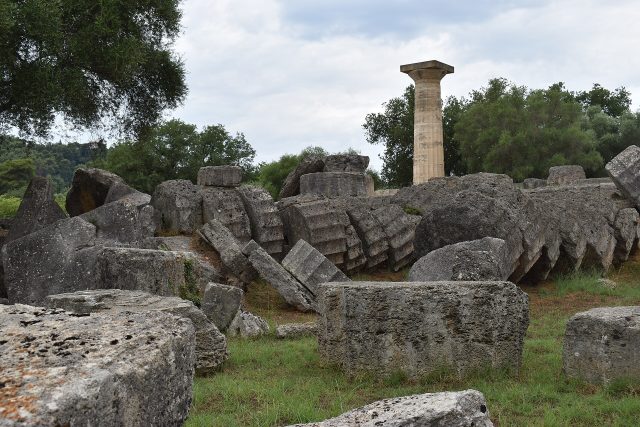
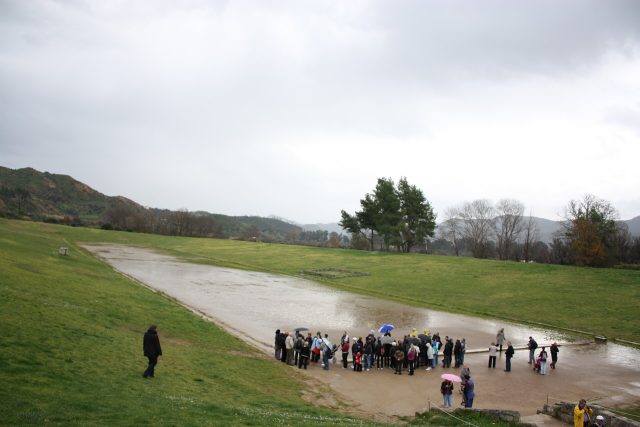
Located near the archaeological site of Olympia, not far from the Temple of Zeus, the ruins sit in a quiet corner of what was once a bustling center of culture and competition. Olympia wasn’t just a place for athletic contests; it was a gathering point for philosophers, artists, and thinkers from across the Greek world. The workshop was part of this vibrant atmosphere, where the pursuit of physical excellence and artistic achievement went hand in hand. Even now, the site feels like a pause in time, a place where the echoes of ancient ambition still linger.
Nearby, a small museum holds artifacts unearthed during excavations—tools, fragments of sculptures, and other remnants of the workshop’s past. These objects offer a glimpse into the techniques and materials used by Phidias and his craftsmen. Seeing them up close makes the past feel a little more tangible, bridging the gap between then and now. It’s one thing to read about ancient artistry; it’s another to stand where the hands that shaped history once worked.
Phidias’ workshop is more than just a historical site; it’s a reminder of how art can shape a civilization. The ideas born here didn’t stay confined to Olympia—they spread across the ancient world, influencing generations of artists and thinkers. The statue of Zeus may have been the most famous creation to emerge from this space, but the workshop itself was a crucible of innovation. Even in its ruined state, it carries the weight of that legacy.
Time has worn away much of what once stood here, but the essence of the place remains. The stones, though weathered, still hold the stories of the people who once worked within these walls. There’s a sense of quiet reverence in the air, as if the spirit of creativity that once filled this space hasn’t entirely faded. It’s a place that invites reflection—not just on the art that was made here, but on the dedication and vision that made it possible.
Visiting the workshop today, it’s hard not to feel a connection to the past. The ruins may be modest, but their significance is immense. They stand as a reminder that great art isn’t just about beauty; it’s about the labor, the patience, and the unwavering commitment behind it. Phidias and his apprentices didn’t just craft statues—they poured their skill, their passion, and their souls into their work. And in some small way, that spirit still lingers among these stones.