The St. George the Victorious Chapel-Mausoleum in Pleven is one of those places where history feels almost tangible. Built in the early 20th century, it stands as a solemn memorial to the Russian and Romanian soldiers who died during the Siege of Pleven in 1877, a pivotal moment in Bulgaria’s struggle for independence from Ottoman rule. The chapel’s architecture blends Orthodox Christian traditions with the weight of military remembrance, creating a space that is both sacred and deeply moving.
The Siege of Pleven was one of the bloodiest battles of the Russo-Turkish War, lasting nearly five months and resulting in tens of thousands of casualties. The city became a symbol of resistance, and its eventual fall marked a turning point in the conflict. The chapel-mausoleum was erected decades later, not just as a tribute to the fallen, but as a reminder of the cost of freedom. Inside, the walls are lined with the names of soldiers, their sacrifice preserved in stone.
The building itself is modest in size but striking in its simplicity. Its white façade and domed roof are typical of Bulgarian Orthodox churches, yet the military symbolism is unmistakable. The entrance is flanked by two cannons, a quiet nod to the artillery that once defined the city’s fate. The interior is dimly lit, with flickering candles casting long shadows over the icons and memorial plaques. The atmosphere is one of quiet reflection, a place where visitors can step away from the noise of the modern world.
Pleven itself is a city with layers of history, and the chapel-mausoleum is one of its most poignant landmarks. Unlike the grand monuments of Sofia or Plovdiv, this site doesn’t demand attention with towering statues or elaborate designs. Instead, it invites contemplation. The surrounding park, with its well-kept paths and benches, offers a space to sit and absorb the weight of what happened here. On certain days, the sound of church bells mingles with the distant hum of the city, a reminder that life goes on, even in places marked by loss.
For many Bulgarians, the chapel is more than just a historical site—it’s a place of national pride. The Siege of Pleven is taught in schools, and the names inscribed inside are part of the country’s collective memory. Visitors from Russia and Romania also come here, drawn by the shared history of the war. The chapel serves as a rare point of connection between nations that were once allies, their stories intertwined in the stones of this unassuming building.
The best time to visit is in the late afternoon, when the sunlight slants through the trees and the shadows grow long. There’s no grand ceremony here, no guided tours with rehearsed speeches. Instead, the experience is personal. Some leave flowers at the base of the memorial plaques. Others light a candle and stand in silence. The chapel doesn’t offer answers, but it doesn’t need to. Its purpose is to remember, and in that, it succeeds quietly and powerfully.
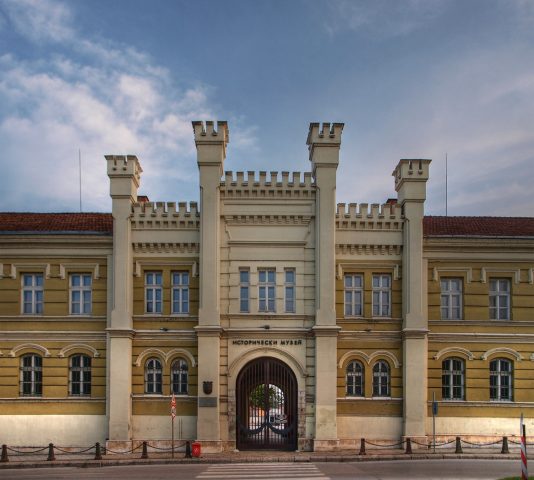
If you’re passing through Pleven, it’s worth taking the time to stop. The city has other attractions—a regional history museum, a lively central square, parks where locals gather in the evenings—but this small chapel is the heart of its story. It’s a place where the past isn’t just preserved; it’s felt. And in a world that often moves too fast, that’s something rare.