Orvieto clings to a cliff of volcanic tuff, its skyline sharp against the sky. Below the streets, the city isn’t just built on rock—it’s carved into it. For centuries, people hollowed out the soft stone, creating a labyrinth of caves and tunnels. These spaces held workshops, storerooms, and shelters. They weren’t designed for display, but for use. Now, they offer a different kind of history: one that’s rough, unpolished, and alive.
The Etruscans started it all 2,500 years ago. They saw the tuff not just as a material but as a canvas. What began as quarries grew into a network of tunnels—storage rooms, workshops, even tombs. The Etruscans left no written records, but their work speaks for them. The cuts in the rock are precise, smooth, and still sharp after millennia. The Romans followed, adding their own layers, though their contributions blur with time.
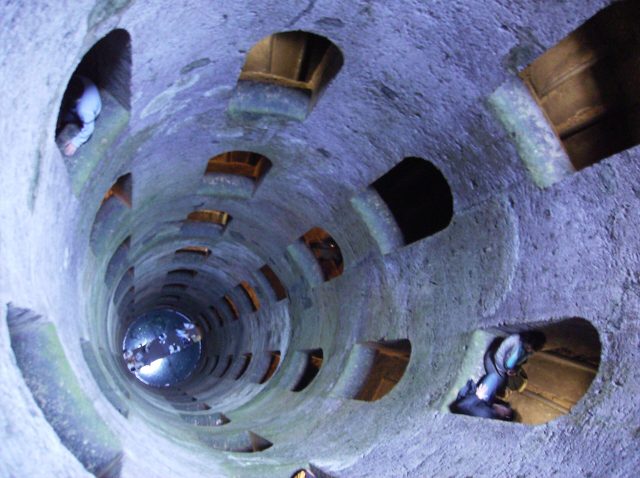
The Middle Ages turned Orvieto into a bustling hilltop city. Its underground network grew with it. During sieges, the tunnels became vital. Residents dug wells over thirty meters deep, reinforcing the walls to keep water clean. These wells weren’t just holes—they were lifelines. Channels collected rainwater, and systems distributed it when the city was cut off. Some of these wells still stand, their dark openings a reminder of how fragile life could be.
The underground was also the city’s pantry. The tuff’s natural insulation kept food fresh. Jars of olive oil, wine, and grain filled niches in the walls, preserved by the stable temperature. In one chamber, clay amphorae lie where they were left centuries ago, dusty but intact. Nearby, a medieval mill’s stone wheels sit silent. Once turned by donkeys or water, they ground grain into flour. The space still hums with the memory of work—the flicker of lamps, the scrape of stone, the slow accumulation of flour.
Not all spaces were practical. Some were sacred. In one cave, faded frescoes cling to the walls—saints, biblical scenes, their colors muted by time. These weren’t grand works. They were personal, painted in secret, perhaps during crises when the surface world felt unsafe. The frescoes are crumbling now, but they add a layer of humanity to the tunnels. Even in darkness, people sought light.
The underground city isn’t just a relic. It’s part of Orvieto’s identity. The accessible sections start at the cliff’s base, winding into the rock. The deeper you go, the more the modern world fades. The air cools. The sounds of the street disappear. The only light comes from bulbs strung along the path. The walls feel alive. Chisel marks are still visible in some places. In others, the rock is smooth from centuries of hands brushing against it.
Orvieto’s underground has no pretense. There are no grand monuments here, no polished marble. It’s raw, unfiltered. The tunnels were built for survival, work, worship. They were the city’s secret, its quiet resilience. Walking through them, you wonder about the people who once used these spaces. Did they feel safe here? Or was the underground a last resort?
The underground doesn’t demand admiration. It rewards curiosity. If you visit, don’t rush. Step off the main path. Run your fingers along the cool stone. Listen to the silence. It’s not just an attraction. It’s a conversation with the past, unfolding slowly in the dark.