Piazza della Repubblica in Orvieto is one of those places where the city unfolds at its own unhurried pace, like the pages of an old book you turn with care. Tucked in the heart of the historic center, halfway between the cathedral and the Albornoz Fortress, the square feels as though time itself has slowed down here. Unlike the bustling piazzas of Rome or Florence, there are no crowds rushing for the next photo opportunity. Instead, you find the quiet rhythm of a small Umbrian town—locals sipping coffee at café tables, elderly men chatting on benches under the shade of plane trees, the kind of everyday life that moves at its own gentle speed.
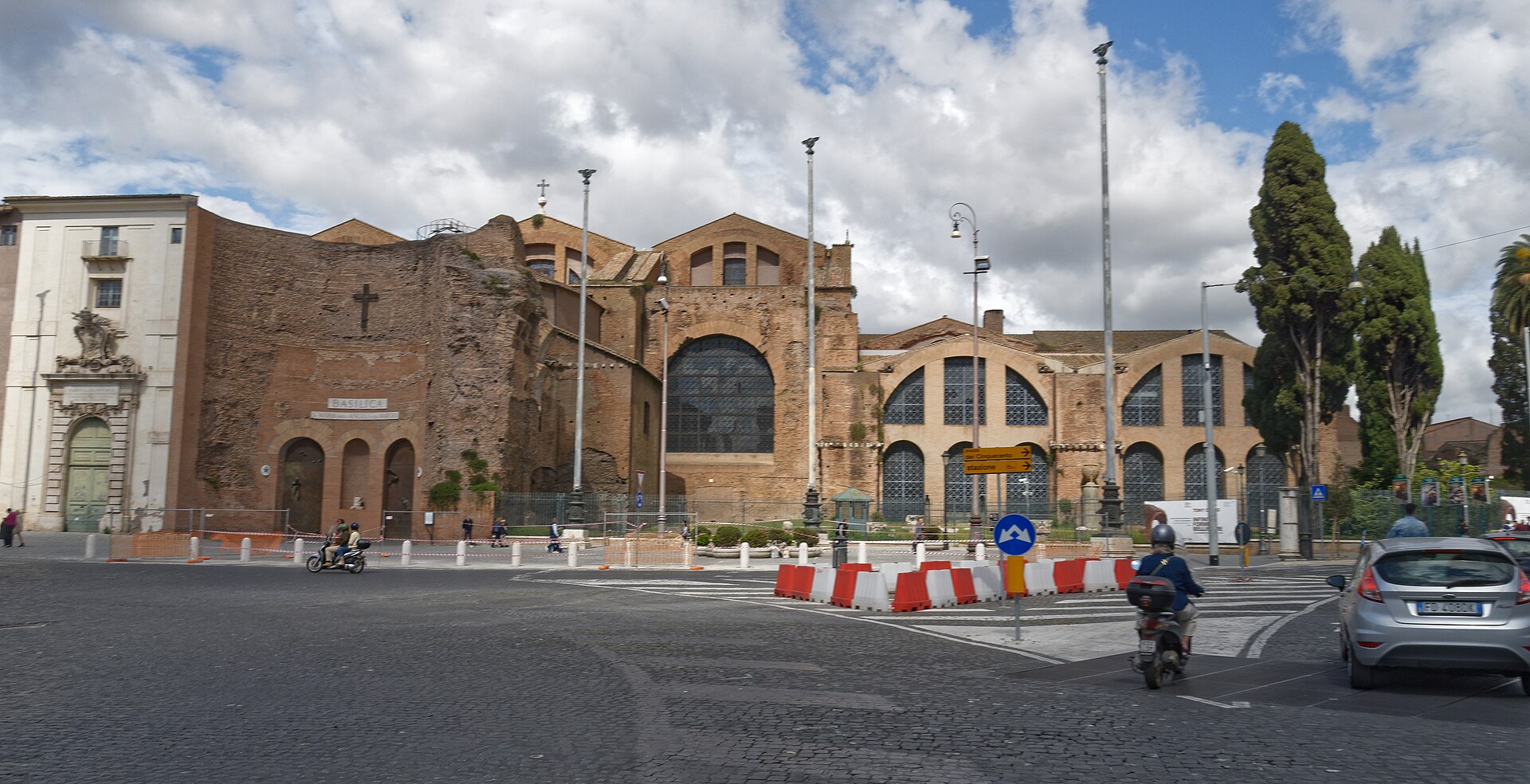
The architecture of the square has evolved over centuries, and that’s part of its charm. The dominant building is the Palazzo del Capitano del Popolo, constructed in the 13th century as the residence of the city’s ruler. Its austere façade, built from the gray tuff stone characteristic of Orvieto, is marked only by narrow windows and a faded coat of arms. Beside it stands the Church of Sant’Andrea, one of the oldest in the city, its Romanesque bell tower rising above the square since the 12th century. The basilica may look unassuming from the outside, but inside, it holds Renaissance frescoes and an ancient baptistery, a reminder of the days when this place was at the center of not just the city’s life, but the entire region’s.
The square hasn’t always looked the way it does today. In the Middle Ages, it was the political and social heart of Orvieto, which was then an important city-state. Public assemblies were held here, decrees were announced, and justice was sometimes meted out in its shadow. By the 14th century, the square was lined with wooden stalls of craftsmen, and the homes of the nobility stood along its edges. Over time, its appearance changed—temporary structures disappeared, new buildings took their place—but the square remained a gathering spot, a place for conversation and debate. Even now, long after Orvieto has settled into its role as a quiet provincial town, the spirit of those times lingers in the unhurried dignity of the place.
What makes the square particularly intriguing is its connection to the hidden world beneath Orvieto. The city sits atop a vast plateau of volcanic tuff, riddled with caves and tunnels that locals have used for centuries. Some of these underground passages open onto the square itself, their entrances discreetly tucked into the stonework. In medieval times, these tunnels served as secret escape routes for nobility or shelters during sieges. Today, parts of the underground network are open to visitors, revealing ancient cisterns, wine cellars, and even remnants of medieval workshops. This link to the subterranean world adds a layer of mystery to the square, as if the past isn’t just preserved in the buildings above but also in the labyrinth below.
The best time to visit Piazza della Repubblica is early morning or late evening, when the sun isn’t as harsh and the light falls softly on the stone facades. Mornings are especially peaceful—cafés open their doors, locals hurry to work, and the streets are still free of tourists. By evening, the square comes alive in a different way: lanterns glow, warm light spills from windows, and the scent of freshly baked pizza drifts from a nearby bakery. In these moments, Orvieto doesn’t feel like just another town; it feels like a living thing, breathing in time with the square.
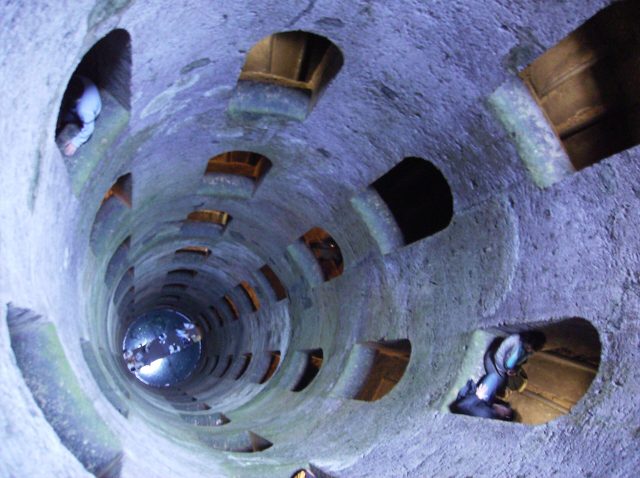
Not far from the piazza lies another of Orvieto’s wonders: the Pozzo di San Patrizio, or St. Patrick’s Well. This Renaissance-era engineering marvel was dug in the 16th century at the behest of Pope Clement VII, who wanted a reliable water source for the city in case of siege. The well plunges more than 60 meters deep, and its design is ingenious—two spiral staircases, one for descending, one for ascending, allowed people and animals to transport water without crossing paths. Today, the well is one of Orvieto’s most famous attractions, and while it isn’t part of the square itself, it’s well worth a visit to understand how life functioned in this city perched on a cliff.
Piazza della Repubblica isn’t just an architectural ensemble; it’s a place where you can feel the essence of Umbria. There’s no hustle of big cities, no tourist traps vying for attention. Instead, there’s the quiet authenticity of provincial Italy, where every stone seems to hold a memory. The cafés here serve homemade pasta with truffles, and the small shops sell local wine and olive oil. You could spend an hour at a table with an espresso, watching life unfold at its own pace, or simply wander the square, studying the old facades and listening to the sounds of the city.
Orvieto is often called the pearl of Umbria, and Piazza della Repubblica is the thread that weaves its past and present together. It doesn’t shout about its beauty or try to impress with grand gestures. Its charm lies in its simplicity and genuineness—no flashy signs, no modern buildings disrupting the harmony. Just old stone, cobblestone streets, and a quiet that lets you hear the echoes of history. That’s why the square remains a favorite for both locals and those who come to Orvieto seeking the spirit of real Italy.