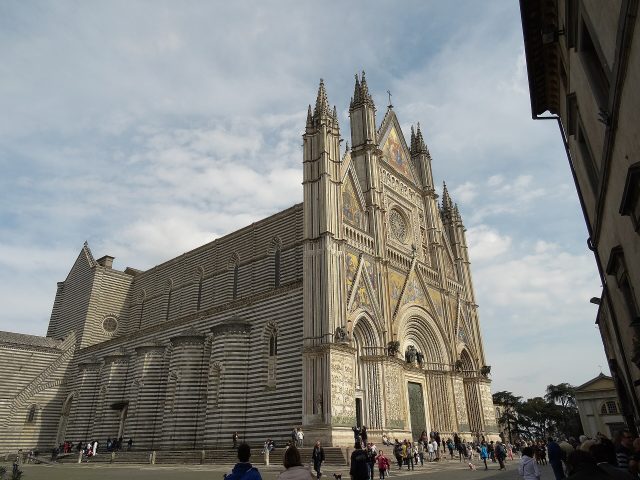
Sant’Andrea doesn’t shout. It waits on a small square where narrow streets twist away like roots, each one promising something unseen. The cathedral’s gold mosaics draw every eye, but this church? It lets you find it—or not. That’s why it stays with you.
The first records call it an 11th-century church. Orvieto was then a city of popes and power struggles, and Sant’Andrea stood at its center, hosting both prayers and political debates. By the 13th century, it had been rebuilt in Romanesque stone: thick walls, slit windows, a bell tower built to withstand more than just time. The architecture wasn’t just for beauty—it was armor.
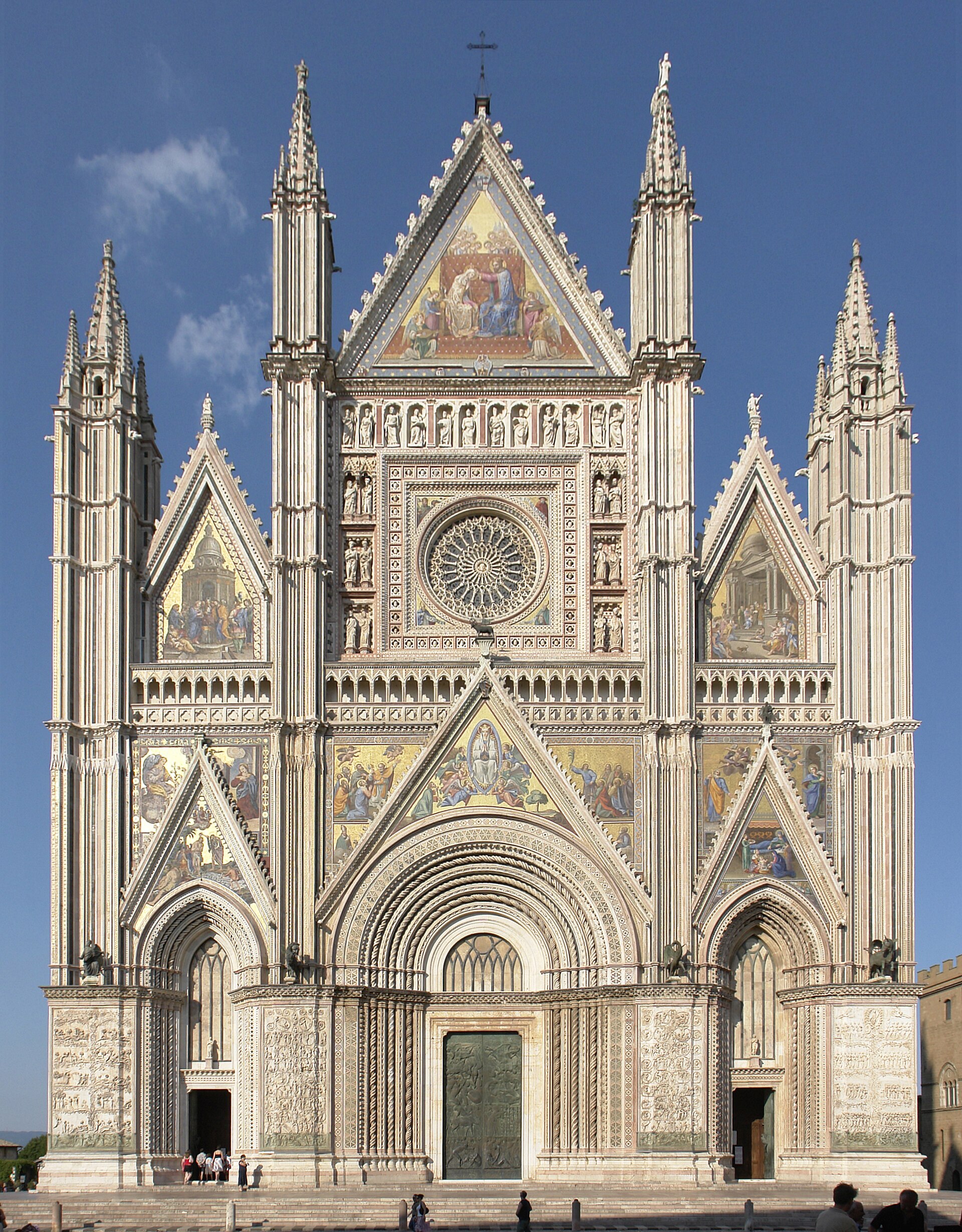
The facade is plain. Three doorways, once painted with frescoes, now hold only the ghosts of color. The middle one has a small rose window above it, its tracery worn but still precise. Inside, the space feels vast and bare. Columns rise to high vaults, and light from the narrow windows moves across the floor like slow water. There’s no gold leaf, no marble saints—just stone and silence.
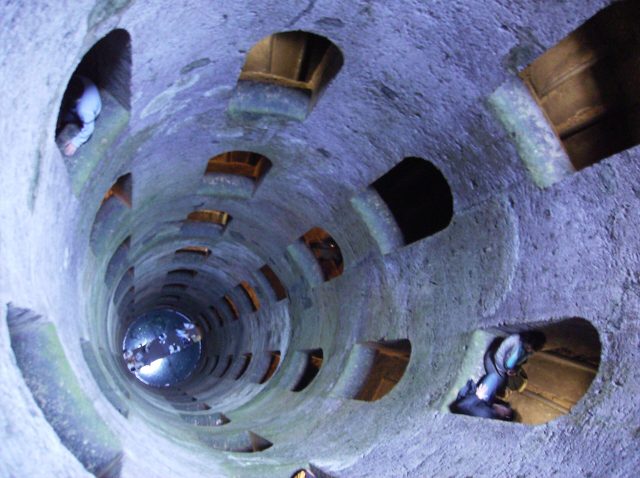
Below the church, the medieval cellars tell another story. They stored grain, hid people during sieges, and connected to the city’s hidden tunnels. Today, you can walk down a steep staircase into this underground world. Old walls stand half-collapsed, wells gape open, and the air smells of damp earth. It’s as if the past is still breathing down here.
Sant’Andrea isn’t a museum. Mass is still said here, and on feast days, the bell rings out over the square. In summer, the space in front fills with music from small concerts or the chatter of market stalls. The stones don’t just remember—they live.
Orvieto is a city of layers. Sant’Andrea is one of the few places where you can touch them all at once. It’s not the cathedral, not the famous caves, but that’s the point. No crowds, no guided tours—just you, the cool air, and the weight of centuries.
Sit on a bench inside. Look at the faded frescoes. Or don’t. The stillness is enough.
When you leave, take one of the side streets. You might end up in a tiny piazza where old men play cards under an awning. Or you might climb to a terrace and see the Umbrian hills stretching out, green and endless. Orvieto moves at its own pace. Sant’Andrea is where that rhythm starts.