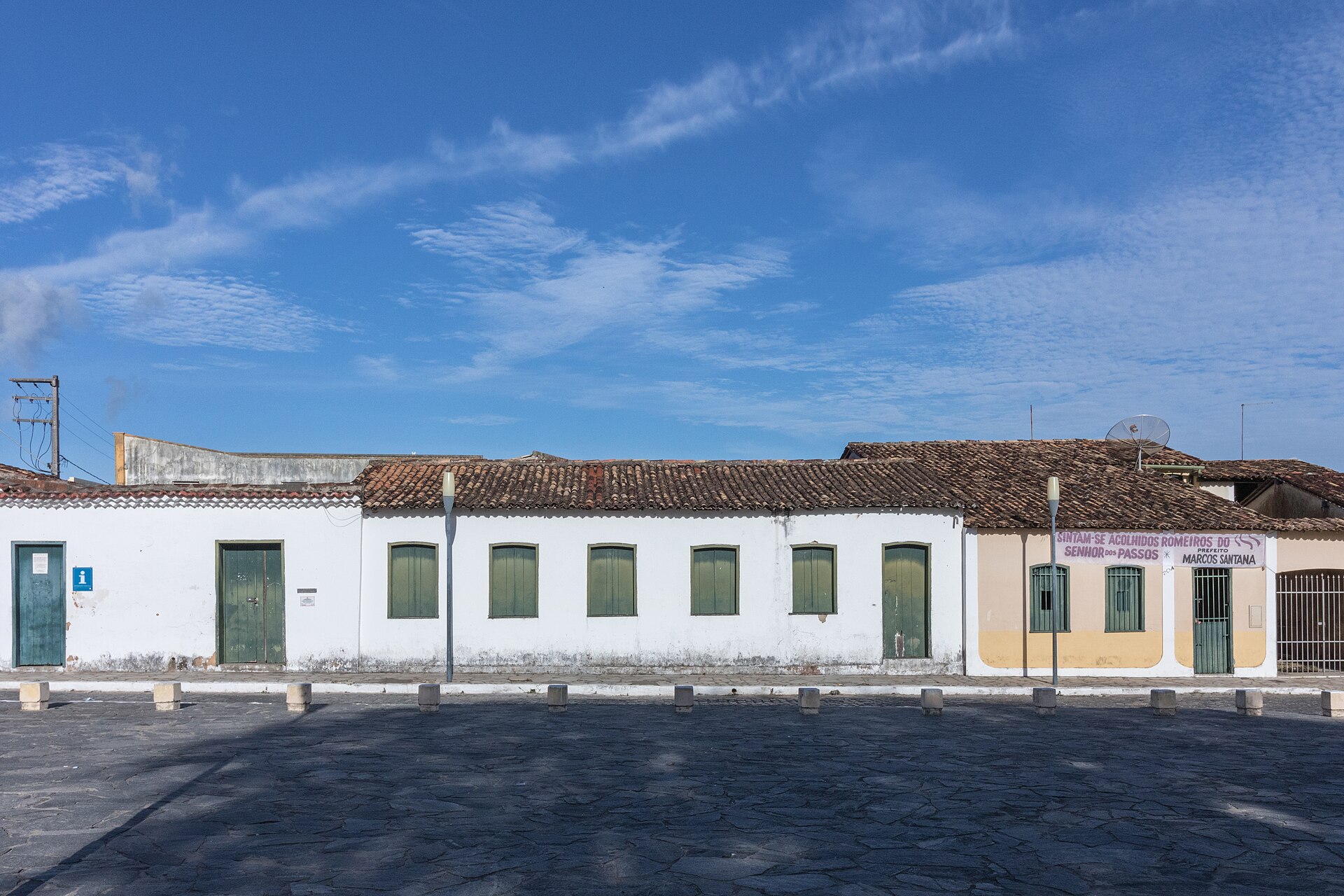
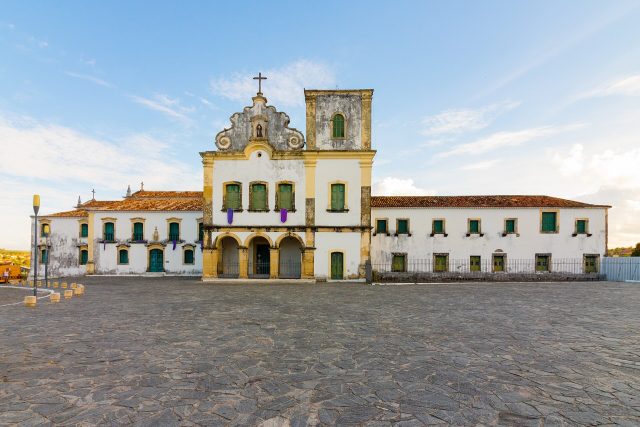
São Cristóvão’s Praça São Francisco is one of those rare places where time seems to slow just enough to let you catch your breath. Tucked away in the heart of the city’s historic center, it carries the quiet weight of colonial Brazil, a legacy preserved in stone and shadow. This was once the capital of Sergipe, though today it feels more like a living memory than a political hub. There are no skyscrapers here, no honking traffic—just the rustle of leaves overhead, the occasional laughter of children playing, and the unhurried footsteps of locals going about their day.
The square’s architecture tells a story older than the country itself. At its center stands the Church of São Francisco, built in the 17th century, its baroque facade a masterclass in ornate detail. The curves and flourishes of its design speak to an era when craftsmanship was measured in patience, not deadlines. Inside, the church is a dazzling contrast of gold and wood, where gilded altars gleam under the soft light filtering through stained glass. The walls and ceilings are alive with frescoes, their biblical scenes faded but still vivid enough to draw the eye upward. Beside the church, the old monastery stands as a testament to the region’s religious and educational past. Its courtyard, with its simple fountain, feels like a secret garden, a place where the heat of the day softens into something almost cool.
The square hasn’t always been the peaceful place it is now. In the early 18th century, this was part of a fortified settlement, a bulwark against pirates and indigenous raids. The Portuguese built it to last, and though the military purpose faded, the city that grew around it became a hub of trade and governance. For a brief time in the 19th century, São Cristóvão was even the capital of Sergipe, though that title eventually passed to Aracaju. Yet even after the political spotlight moved on, the square remained the city’s pulse—a place for markets, festivals, and the kind of everyday life that doesn’t make it into history books.
Today, Praça São Francisco is still very much alive. Mornings bring vendors setting up stalls with fresh fruit, handmade sweets, and crafts that carry the marks of local tradition. By afternoon, the benches fill with older residents chatting about the day’s news, while kids dart between the trees, their games echoing off the centuries-old walls. Weekends bring a different energy: live music spills from the square, artists display their work, and the air hums with the kind of easy camaraderie that only comes from shared space. The Feast of Saint Francis, in particular, turns the square into a riot of color, with flowers adorning the church and processions winding through the streets.
What makes this place special is how seamlessly the past and present coexist. It’s not a museum, not a relic frozen in time. Here, history isn’t something you read about—it’s something you feel. You might see a craftsman carefully restoring a crumbling facade, or a group of tourists snapping photos in front of the church, or a street musician playing a tune that’s been passed down for generations. The square doesn’t just preserve the past; it lets it breathe, mingling with the scent of fresh bread from a nearby bakery or the distant sound of waves crashing against the coast.
For visitors, Praça São Francisco is the perfect starting point for exploring São Cristóvão. From here, the narrow streets of the historic center unfurl like the pages of a book, each building holding its own story. Nearby, the state museum offers a deeper dive into Sergipe’s history, while the local market is the place to try regional specialties or pick up a handmade souvenir. But you don’t need to go far to feel the city’s rhythm. Sometimes, the best way to understand a place is to sit still and watch—like the way the light changes on the church’s facade as the sun sets, or how the square empties and fills again with the ebb and flow of daily life.
São Cristóvão isn’t a city that shouts for attention. It doesn’t have the fame of Rio or the tourist crowds of Salvador, and that’s exactly why it feels so genuine. Here, history isn’t something you observe from behind a rope or a guidebook—it’s in the cracks of the plaster, the creak of a wooden door, the way the air carries the salt of the sea and the sweetness of tropical flowers. Praça São Francisco is the kind of place that lingers in your memory long after you’ve left, not because it’s grand or flashy, but because it feels real. The people, the buildings, the very atmosphere—it all belongs to a Brazil that exists beyond postcards and brochures.