São Cristóvão is one of those rare Brazilian towns where time seems to have paused, preserving the quiet rhythm of colonial life. Founded in the 16th century, it was once the capital of Sergipe and a key administrative hub, its streets bearing witness to centuries of trade, governance, and cultural exchange. Today, its historic center feels like an open-air archive, where every building, church, and cobblestone alley tells a story of Brazil’s layered past—of Portuguese settlers, enslaved Africans, and Indigenous peoples whose lives intertwined here.
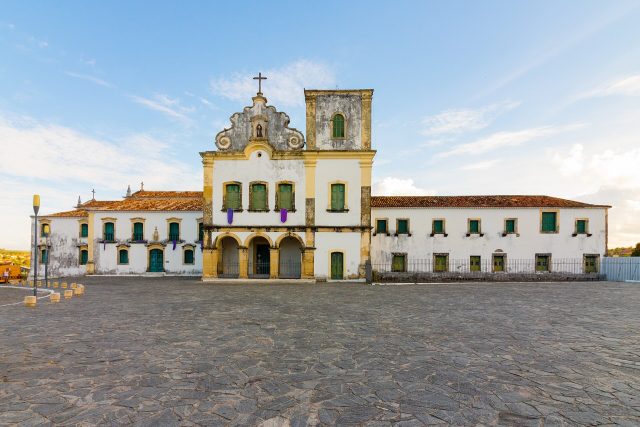
At the heart of this legacy is São Francisco Square, a place that feels both timeless and alive. Surrounded by 18th- and 19th-century buildings, the square isn’t just an architectural ensemble but a stage for daily life. In the mornings, vendors sell fresh fruit and handmade crafts under the shade of old trees. By afternoon, the space fills with the sounds of festivals or religious processions, while in the evenings, locals gather on benches to chat, their voices blending with the rustle of leaves. The square breathes history, yet it hasn’t become a static museum piece—it remains a living part of the town, where the past and present coexist effortlessly.
The most striking structure here is the Church and Convent of São Francisco, a masterpiece of Baroque design with subtle Neoclassical touches. Its facade, adorned with intricate stucco and columns, exudes solemn grandeur, but the interior is where its true beauty unfolds. Gilded altars, carved wooden details, and biblical frescoes create an atmosphere of reverence, while the ceiling of the main nave is a marvel of trompe-l'œil painting, tricking the eye into seeing depth where there is none. The church still holds services, and on Sundays, the sound of the organ reverberates through its ancient walls, adding to the sense of continuity.
Adjacent to the church stands the Provincial Palace, once the residence of colonial governors. Now a museum, it houses artifacts from the era—household items, historical documents, maps, and portraits of figures who shaped the region. The building itself is a fine example of civil architecture from the period, with its high ceilings, heavy wooden doors, and balconies featuring delicate latticework. Walking through its halls, it’s easy to imagine the weight of decisions made here, the decrees signed, the lives altered. One room even preserves an old fireplace, a quiet reminder of the evenings when governors gathered to discuss the affairs of the colony.
A short walk from the square leads to the Church of Nossa Senhora do Rosário dos Pretos, a place deeply tied to the history of enslaved Africans in Brazil. Built by enslaved laborers, it served as both a sanctuary and a symbol of hope. The church’s architecture reflects African influences, from its vibrant colors to the unique patterns adorning its walls. Inside, altars honor Black saints, and during religious festivals, the church comes alive with music, dance, and processions that celebrate this heritage. It’s a powerful reminder of resilience and faith in the face of oppression.
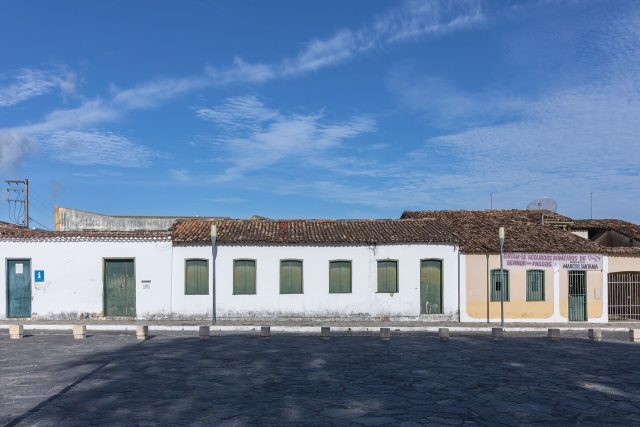
Wandering through São Cristóvão, you’ll notice how seamlessly different eras blend together. Colonial houses with terracotta roofs and wooden shutters stand beside later constructions, while narrow, winding streets eventually lead to modern neighborhoods. Yet just around the corner, the past reasserts itself—old workshops, family-run cafés serving traditional dishes, and quiet courtyards where time seems to slow. The town has a way of revealing itself gradually, as if saving its secrets for those willing to look closer.
Unlike Brazil’s bustling tourist hubs, São Cristóvão doesn’t clamor for attention. There are no crowds, no souvenir stalls on every corner, no flashy attractions. Instead, there’s a hush broken only by the sound of footsteps on cobblestones, the call of birds, or the distant chime of church bells. The town invites you to linger—to sit on a bench under a tree, peek through the half-open doors of old houses, or simply watch life unfold at its own unhurried pace.
The best time to visit is during one of its religious festivals, when the town transforms. In January, the Festival of Bonfim draws crowds with its decorations, music, and processions honoring the Virgin Mary. Locals dress in traditional attire, and the streets buzz with energy, offering a glimpse into how deeply rooted these traditions remain. It’s a reminder that São Cristóvão’s history isn’t just preserved in stone and mortar—it’s alive in the people who keep its customs alive.
This isn’t a place that dazzles at first sight. It’s one that reveals itself slowly, like a well-worn book whose pages hold unexpected depth. São Cristóvão doesn’t just showcase Brazil’s past; it lets you feel it—the weight of history, the quiet pride of a town that has endured, and the subtle beauty of a place where time moves differently. For those who take the time to explore, it offers something far more valuable than a quick photo opportunity: a chance to step into a living story.