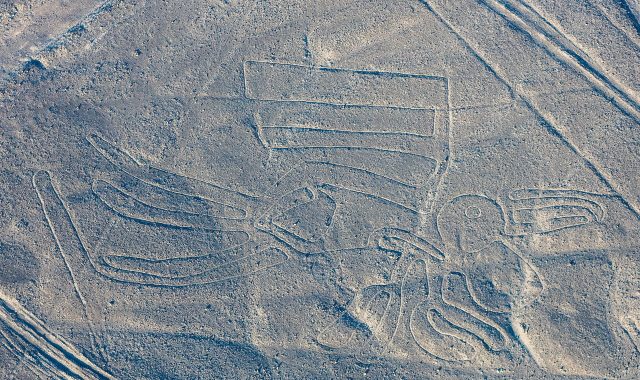
Nasca’s Plaza de Armas isn’t just the town square of a small Peruvian city—it’s where the past and present quietly intersect, where the unhurried rhythm of provincial life unfolds beneath the desert sun. Unlike the bustling plazas of Lima or Cusco, this one moves at its own pace. Locals stroll under the shade of trees, escaping the midday heat, while the murmur of conversations drifts from nearby cafés. Nasca may be famous for its enigmatic lines etched into the earth, but its true heart beats here, where the cobblestones hold stories of centuries gone by.
The square is framed by low colonial-era buildings, their pastel facades—soft blues, creams, and pale yellows—giving the place a gentle, almost whimsical charm. Many of these structures date back to the 18th and 19th centuries, when Nasca was a vital stop on the trade routes between the coast and the Andes. Caravans laden with goods once passed through, and the plaza was where merchants, travelers, and townspeople gathered. Today, the echoes of that era linger in the architecture, though the town has long since settled into a quieter existence.
At the center of the plaza stands a modest fountain, surrounded by flowerbeds. It’s not grand or ornate, but it serves its purpose, drawing people in. Benches encircle it, where elderly men watch children play or young couples sit in quiet conversation. As evening falls, the plaza transforms. The soft glow of streetlights reflects in the fountain’s water, casting intricate shadows across the pavement. The air cools, and the square comes alive with the easy chatter of locals winding down their day.
One of the most notable buildings here is the Church of Santa Ana, built in the 17th century. Its unassuming facade doesn’t immediately demand attention, but a closer look reveals a structure steeped in history. The church has weathered earthquakes and restorations, yet inside, time seems to stand still. Wooden altars, carved pews, and faded frescoes tell stories of saints and devotion. On Sundays, the plaza fills with the sound of church bells, and families arrive in their finest clothes for mass. Even if you’re not religious, stepping inside offers a moment of respite from the heat and noise—a quiet sanctuary where the weight of history feels tangible.
Beside the church, the municipal building stands as another testament to Nasca’s past. Its architecture is classic for provincial Peru: high ceilings, large windows with wooden shutters, and wrought-iron balconies. Inside, the halls likely remain much as they were a century ago—long corridors, offices with creaking floors, and archives filled with yellowed documents. The building isn’t just an administrative hub; it’s where the town’s future is quietly shaped, from road repairs to festival planning. Tourists rarely venture inside, but its presence adds to the plaza’s understated character.
Plaza de Armas isn’t just about history and architecture—it’s the living pulse of Nasca. Throughout the day, the square shifts with the rhythms of local life. In the mornings, small markets spring up, selling fresh fruit, vegetables, and regional specialties. Mangoes, avocados, and sweet potatoes—grown in the surrounding valleys—are especially popular. By midday, the vendors pack up, and the plaza grows quiet, only to fill again in the evening. Teenagers gather by the fountain, playing music or chatting, while families take leisurely strolls, enjoying the cooler air.
For many visitors, the plaza is a starting point before heading to Nasca’s famous lines. Most come for a day or two, drawn by the mystery of the geoglyphs, but the town itself offers a slower, more authentic experience. Here, you can sip coffee at a café, sample local dishes, or browse handmade crafts from street vendors. Unlike the crowded tourist hubs of Cusco or Lima, Nasca doesn’t feel like a performance. There are no aggressive guides or jostling crowds—just the easy flow of daily life, unhurried and unscripted.
Nasca doesn’t try to be a tourist destination, and that’s part of its charm. The Plaza de Armas remains a place where life unfolds naturally, without pretense. There are no luxury hotels or high-end restaurants, but there’s something far more valuable: a sense of belonging. Those who visit often find themselves returning, drawn back by the quiet allure of the square—the way the light falls on the church at dusk, the laughter of children playing by the fountain, the simple pleasure of being part of a place that feels timeless. It’s not grand, but it’s real. And sometimes, that’s enough.